
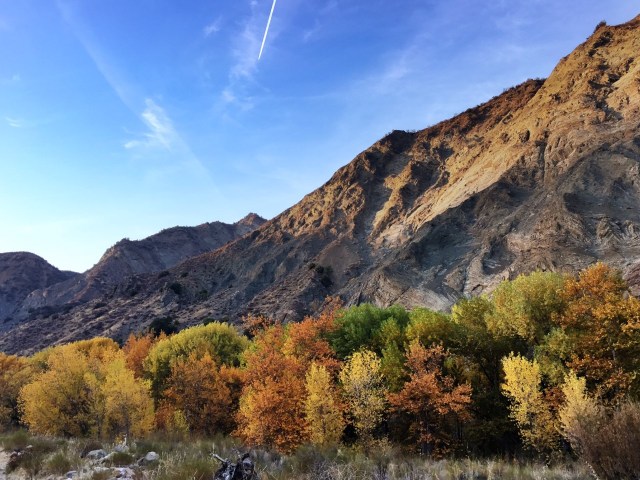
 Cottonwood trees showing fall color along the Santa Ynez River in Santa Barbara County.
“Well the summertime has gone,” Van Morrison sings. “And the leaves are gently turning.” And come fall season in Santa Barbara County the black cottonwood trees drop leaves and grow buds.
The sappy buds develop and swell in size through winter and as spring approaches a super sticky amber resin oozes from cracks in the bud scale.
The tarry goo has a strong, heady fragrance somewhat similar to the best flowers. The natural fragrance is reminiscent of perfume sometimes.
Over the years I’ve noticed a slight variance in the fragrance of the bud resin of different trees growing in different areas of the county and maybe it’s also to do with the vagaries of weather from season to season or subspecies differentiation.
Depending on how black cottonwood balm is prepared the fragrance varies as well.
A stand of black cottonwood trees budded out and dripping resin casts its sweet scent wafting in the wind for some distance.
I have fond memories of sitting in the sea on a surfboard in winter along Gaviota and smelling the black cottonwood fragrance filling the air from the windblown beachside trees.
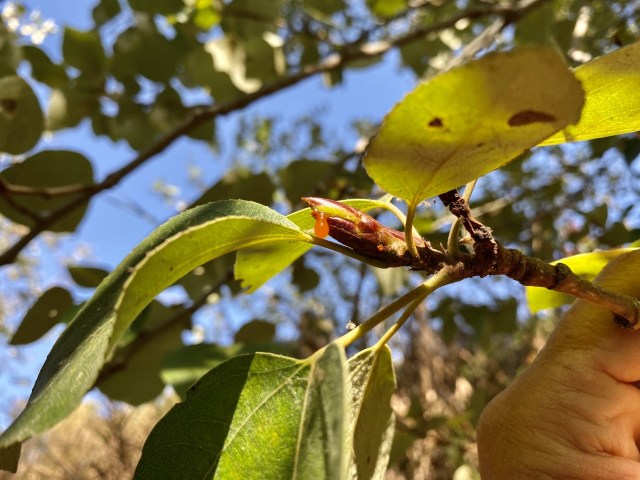
Black cottonwood bud oozing resin.

Black cottonwood buds are brown, as seen here, while Fremontii cottonwood buds are green.
Black cottonwood balm has taken on legendary status in the Elliott home. The bud resin is a remarkable natural remedy.
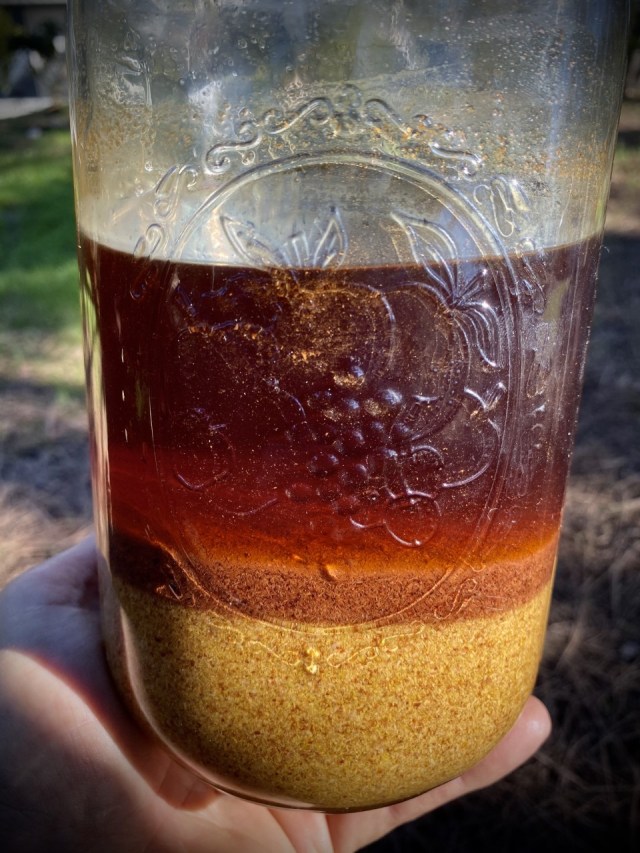
Each winter I carefully and judiciously harvest buds, which I use to infuse organic avocado oil.
After some time steeping I strain the oil and blend it with beeswax to make an exceptional medicinal moisturizer our family uses in a variety of ways.
I’ve said of it in jest, Jack Elliott’s Custom Deluxe Super Premium Los Padres Liniment.
Or, you know, just cottonwood for short.
I harvest my buds from the Los Padres National Forest and use top shelf ingredients.
The cottonwood, as we call it, is a three ingredient handcrafted product made of local matter.
I use avocado oil because it’s rich in vitamins A, D and E and omega-3 fatty acids, which all benefit the skin in ways that complement the black cottonwood.
Avocado oil promotes skin regeneration and the healing of minor wounds and may help reduce itching and inflammation.
Avocado oil serves as a good vehicle to carry the active ingredients in black cottonwood deeper into the body, because it penetrates the skin more deeply than many other oils.
The oil also absorbs quickly and without a lasting greasy feeling.

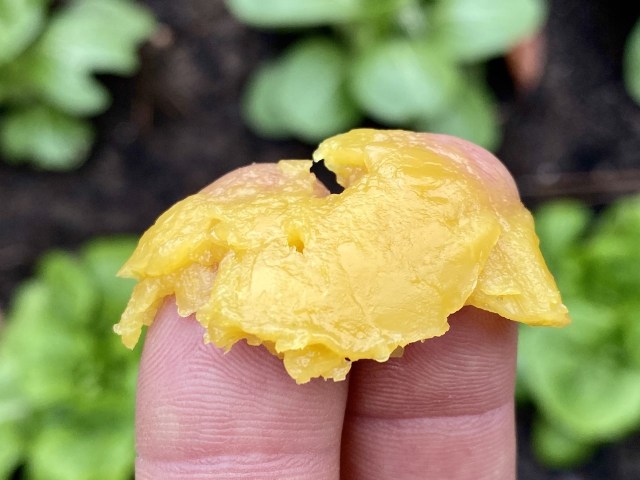
Fresh super tacky cottonwood bud resin.

What fingers look like after two hours of harvesting.
We here in the Elliott household rub this luxurious liniment onto insect bites and stings, minor scrapes, scratches and cuts, dry skin of various causes, burns from fire, heat and sun, poison oak rashes and other issues of dermatitis and most anything else to do with skin.
Black cottonwood soothes minor pain, discomfort and stinging associated with skin injuries and minor wounds and has been used in various forms for thousands of years.
The tree is in the willow family, Salicaceae, and like willows it contains salacin, the basis of salicylic acid from which aspirin as originally named by Bayer was derived.
Salicylates have been derived from the willow tree bark. The Sumerians were noted to have used remedies derived from the willow tree for pain management as far back as 4000 years ago. Hippocrates used it for managing pain and fever. He even utilized tea brewed from it for pain management during childbirth.
In a 1763 clinical trial, the first of its kind, Reverend Edward Stone studied the effects of willow bark powder for treating fever. About a 100 years later the effects of the willow bark powder were studied for acute rheumatism.
In 1828, Professor Johann Buchner used salicin, the Latin word for willow. Henri Leroux used it to treat rheumatism after isolating it in a crystalline form in 1829. In the 1800s, the Heyden Chemical Company was the first to mass produce salicylic acid commercially. It was not until 1899 when a modified version by the name of acetylsalicylic acid was registered and marketed by Bayer under the trade name aspirin.
National Center for Biotechnology Information, U.S. National Library of Medicine
But wait! There’s more.
Black cottonwood is also thought to promote the healing process by stimulating tissue regeneration, acting as a vasodilator or an agent that dilates blood vessels and an antimicrobial antiseptic to keep wounds from getting infected. Reference Michael Moore’s “Medicinal Plants of the Pacific Northwest.”
What more do we need?
When I was stung by a stingray I used the cottonwood to dull pain and heal the wound in the days after the initial excruciating and debilitating explosion of pain had subsided.
When in the past my small wounds reddened and festered the cottonwood put an end to it.
The balm does away with the stinging and soreness of skin scratched by wild roses or blackberry brambles or brush when hiking.
Sometimes within seconds the stinging vanishes.
That I can tell you from personal experience.
Unlike so many other artificially derived and synthesized over the counter products that reek of an unpleasant medicinal odor, black cottonwood fragrance is remarkably pleasant and soothing, even a might addicting to huff so fine is its perfume fragrance.
I smell it up whenever I apply it.
Sometimes I open the jar just for a whiff.

Black cottonwood buds blended in avocado oil and steeped for an extended period of time. This jar sat in a darkened cabinet for 22 months. The oil takes on an amber hue from the cottonwood. The longer it’s steeped the darker it gets.
In short, black cottonwood balm soothes minor pain, prevents infection, promotes healing and moisturizes the skin.
I no longer use store-bought topical antibiotic agents or moisturizers and I take the balm on trips away from home.
I find it remarkable that no mention of the early Chumash having used black cottonwood for similar purposes can be found in Jan Timbrook’s book, “Chumash Ethnobotany.”
That is one of two items missing from that encyclopedic work, which has been a personal favorite of mine since its publication.
And I’m not saying Timbrook left anything out.
There is apparently no reference to the Chumash having used black cottonwood for pain relief and healing in the sources available.
For how well the black cottonwood works, I’m surprised to find no mention of its use.
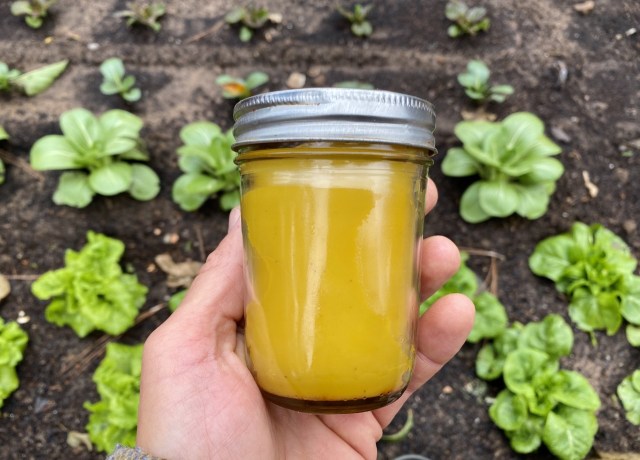 Final product.
One notable problem with harvesting black cottonwood buds is that the twig end dies when the bud is removed.
The twigs do not sprout again.
Pinching off a bud does not result in two or more new shoots sprouting from the broken twig end; it results in a dead twig.
I can tell you this from personal experience through careful observation of particular trees over the course of years.
Therefore when harvesting it is imperative to take just a little from here and there and from various places.
And to take from numerous different trees over some space in order to reduce the harm done to each tree and avoid stunting growth or possibly killing entire branches, limbs or perhaps in time the whole tree if young enough.
Related Post On This Blog

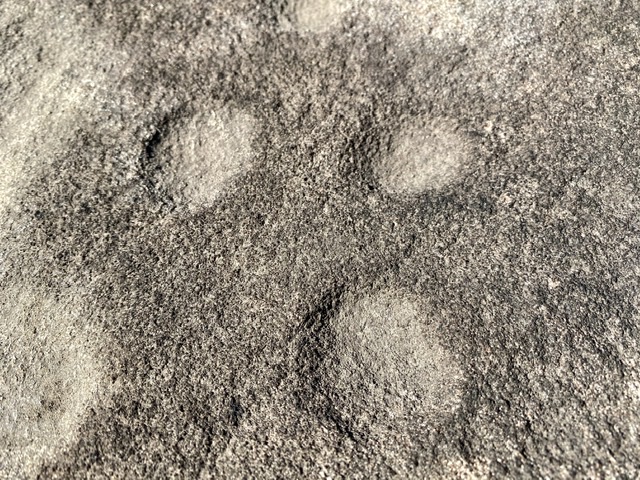 Cupules
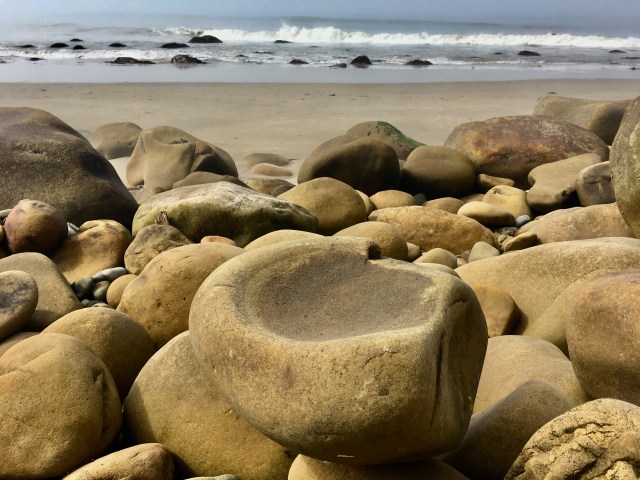
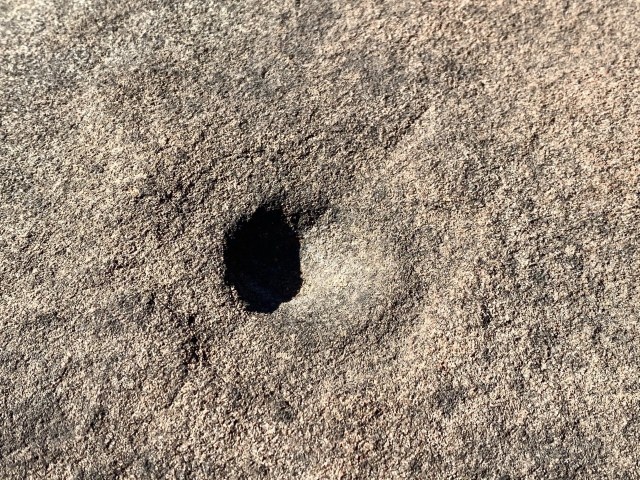 See the faint circular depression surrounding the hole? Is it natural or human-made?

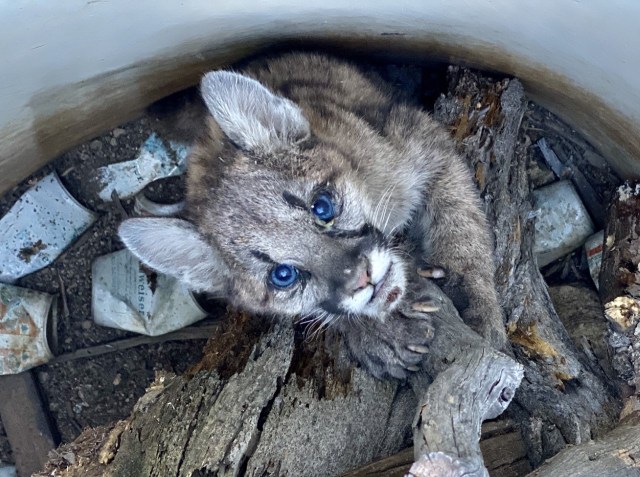 The fleeting, odd bit of noise sounded mechanical when it first hit my ear. But we were in a designated wilderness wherein nothing of the sort is allowed. And so brief was the sound I almost wasn’t sure I heard it.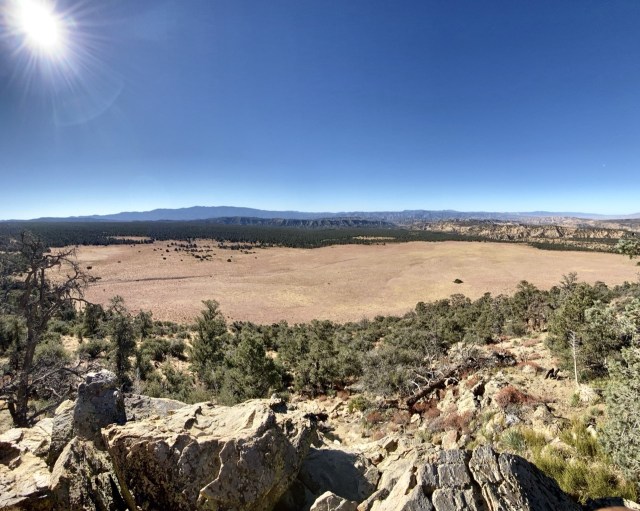
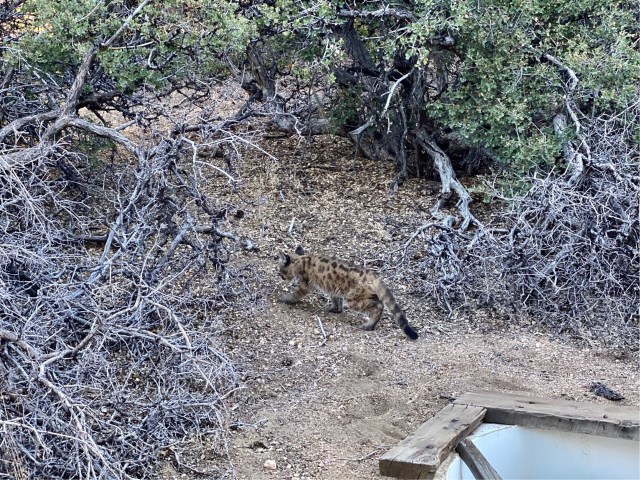
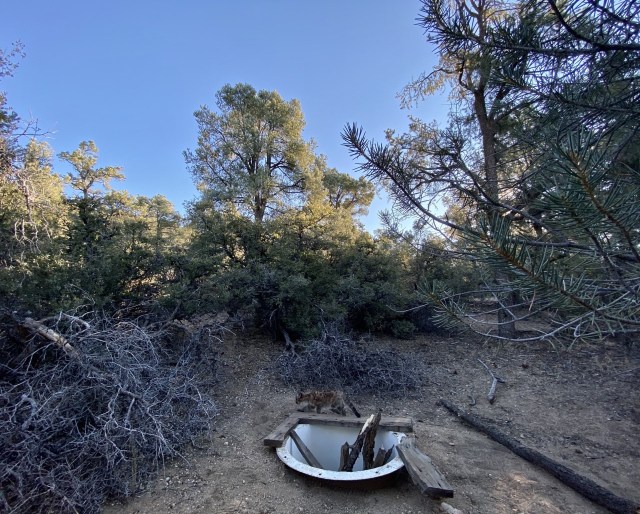
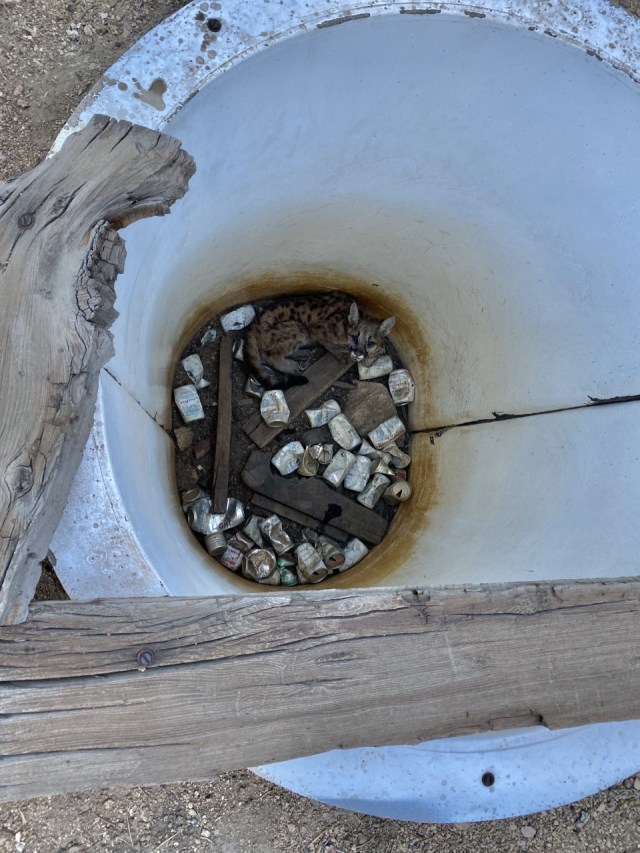 The lion cub as found.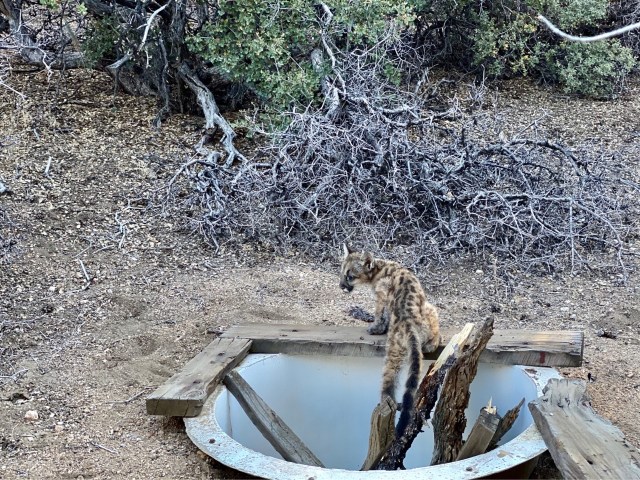
 June 2019










 Jack Elliott's Santa Barbara Adventure