Finding Clarity and Perspective in the Wilderness

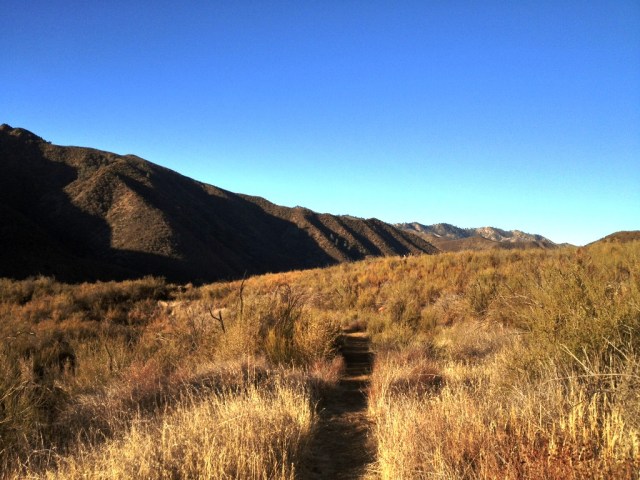
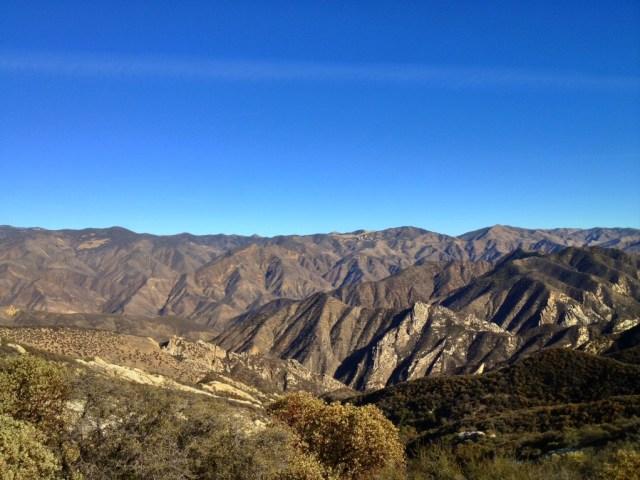
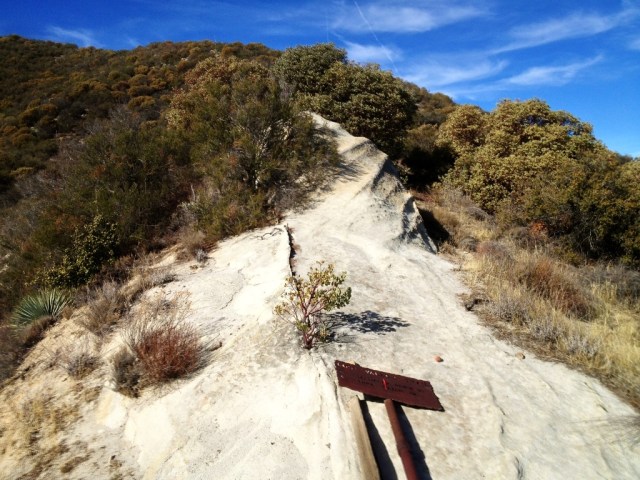
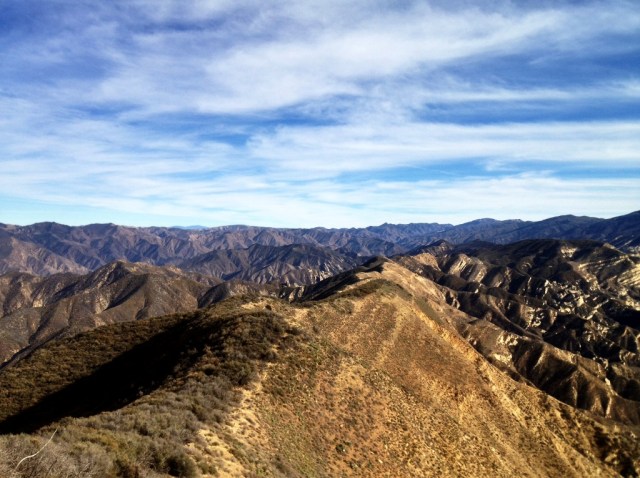
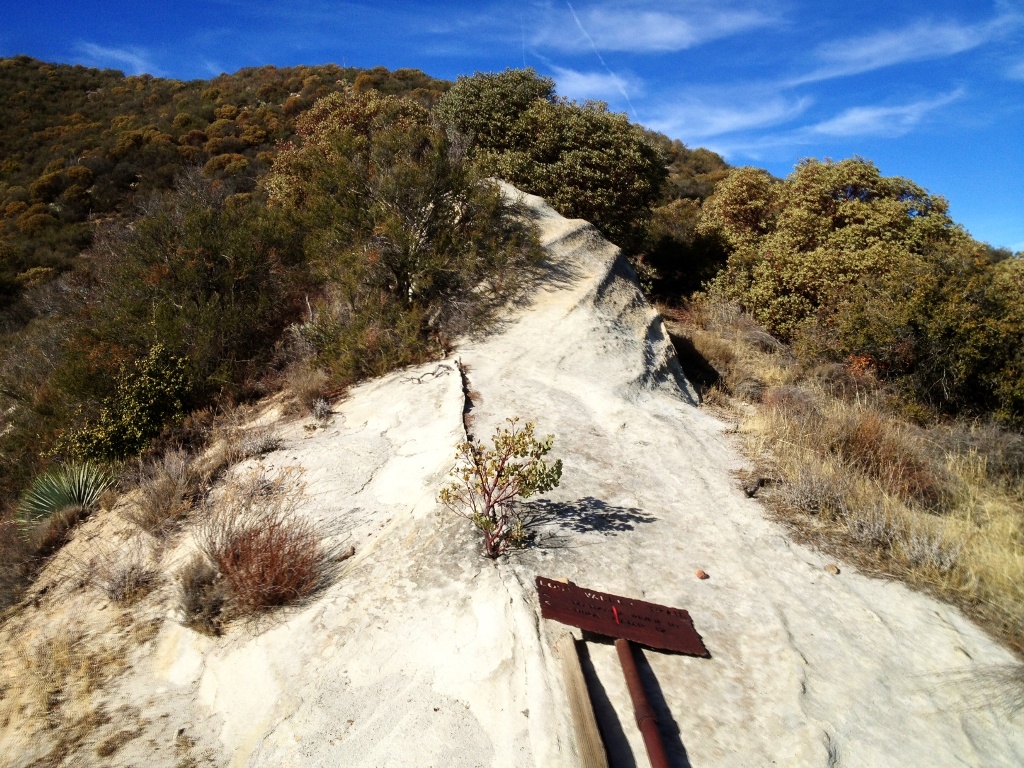
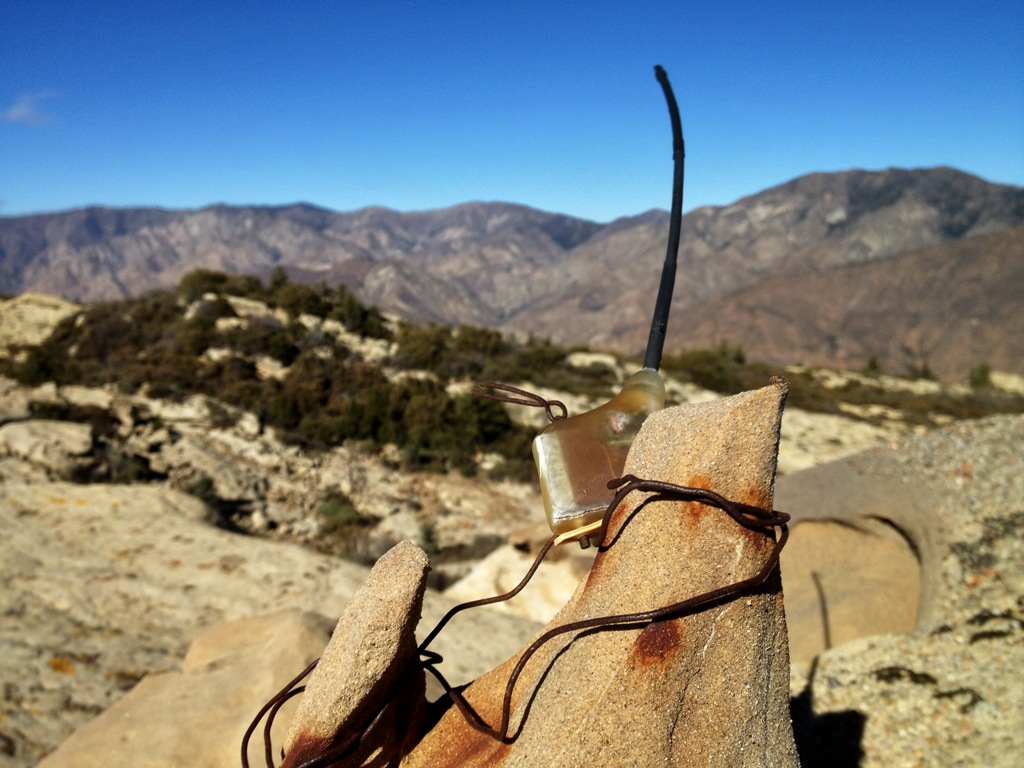
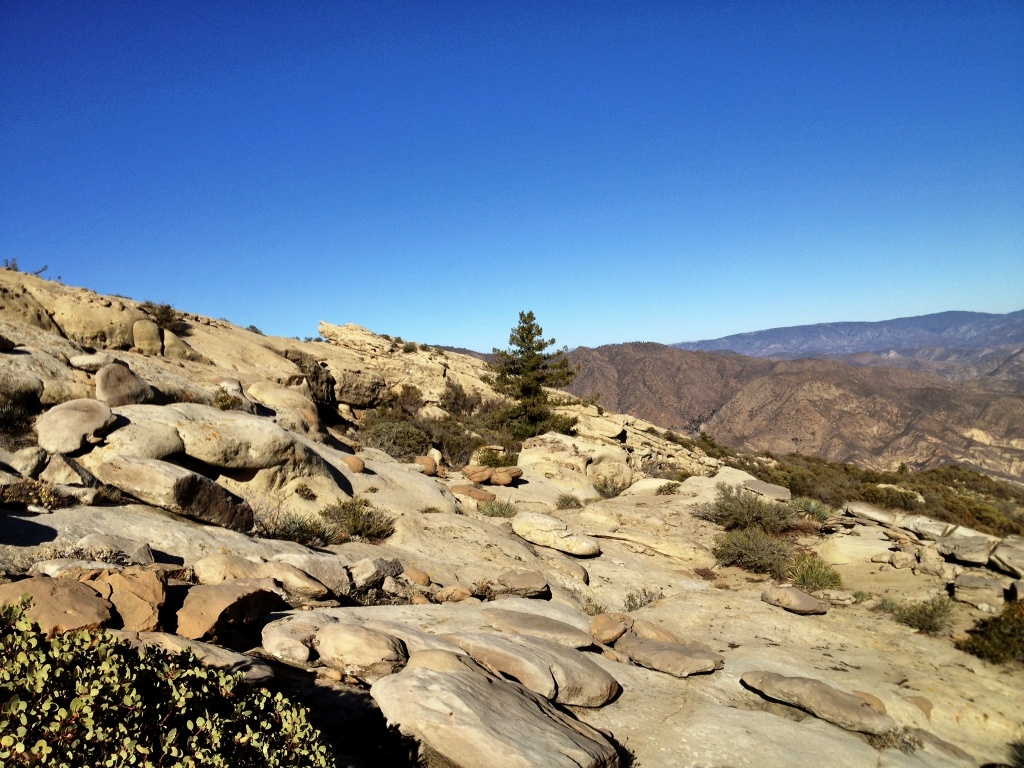
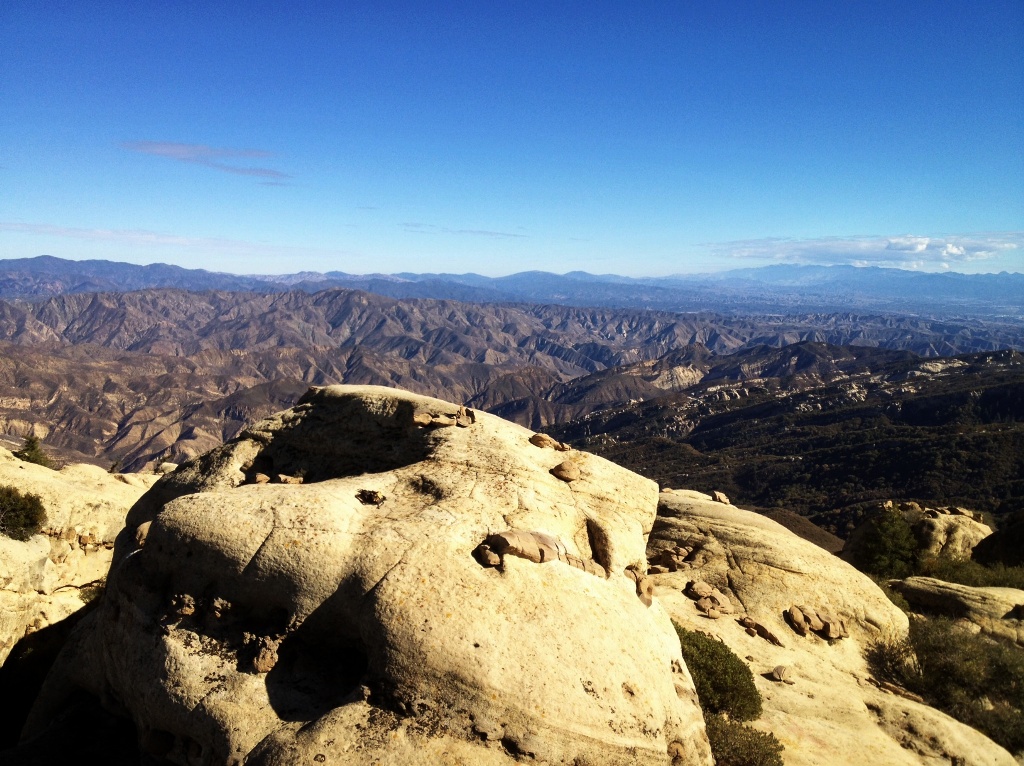
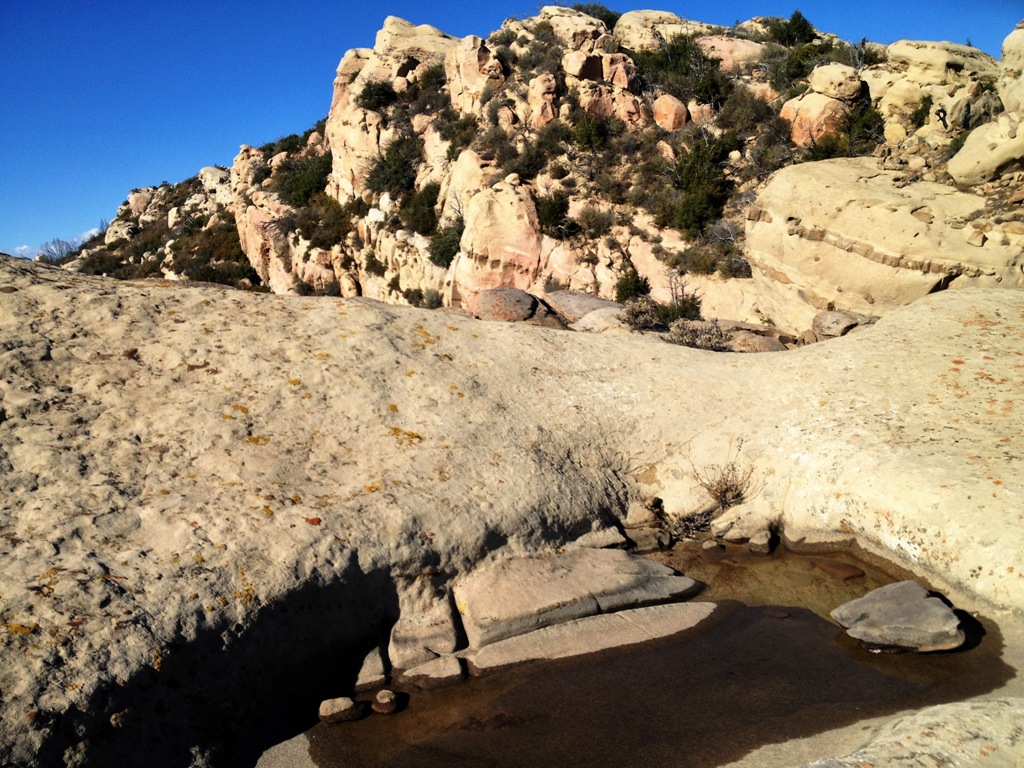
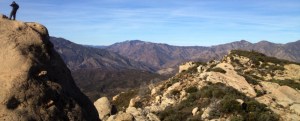
Castle Rock San Rafael WildernessCastle Rock, San Rafael Wilderness

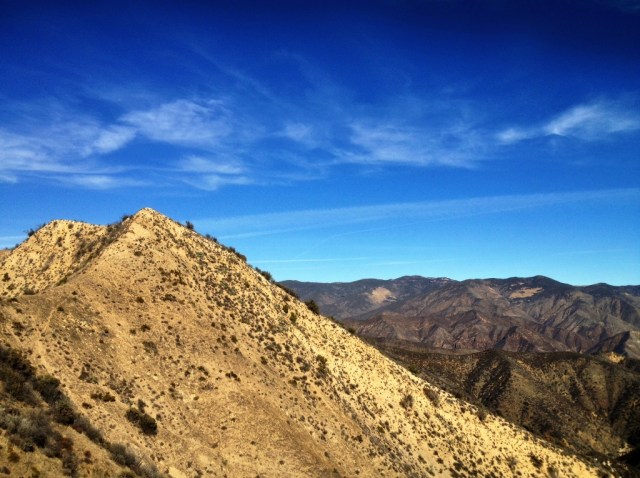
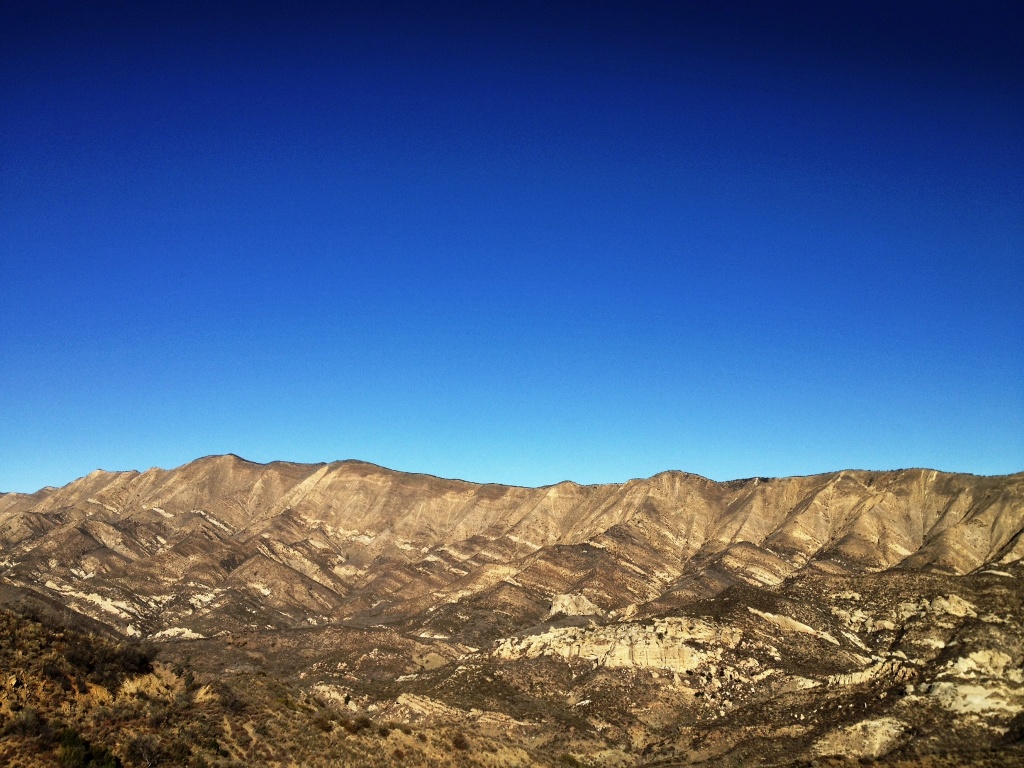
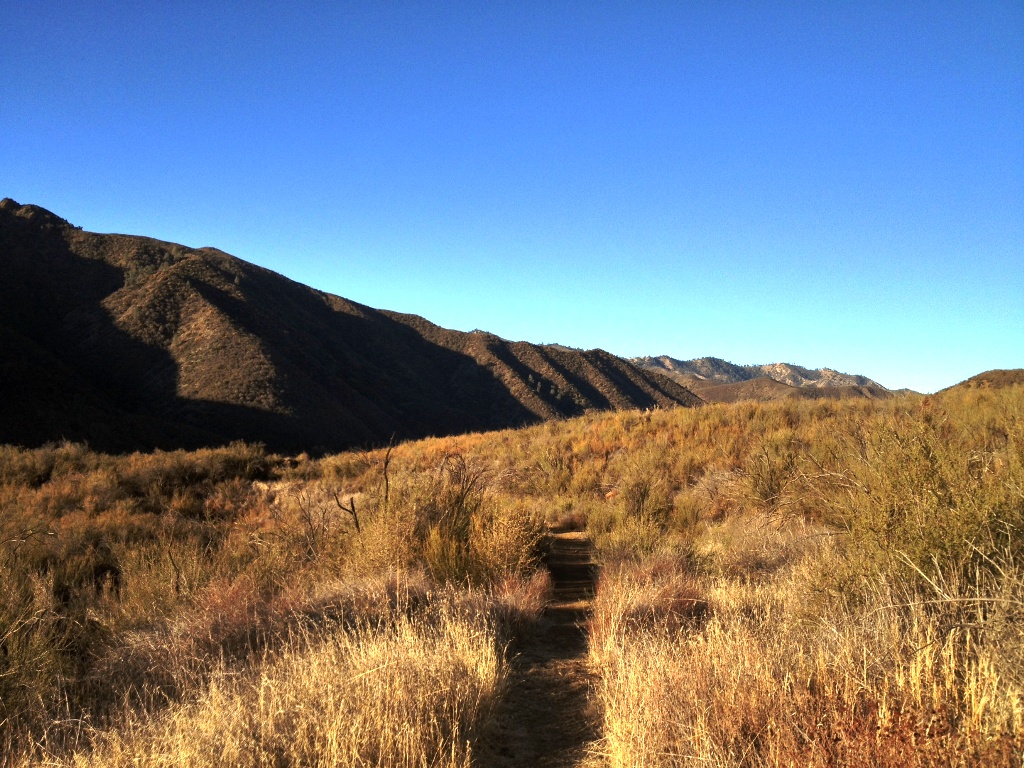
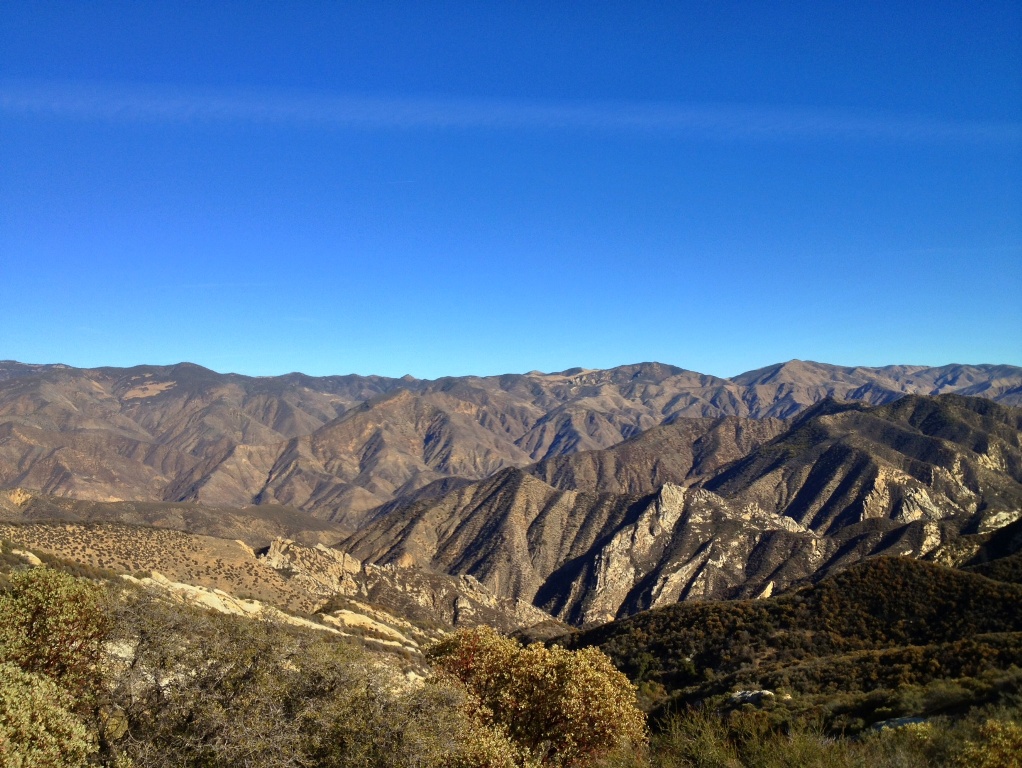
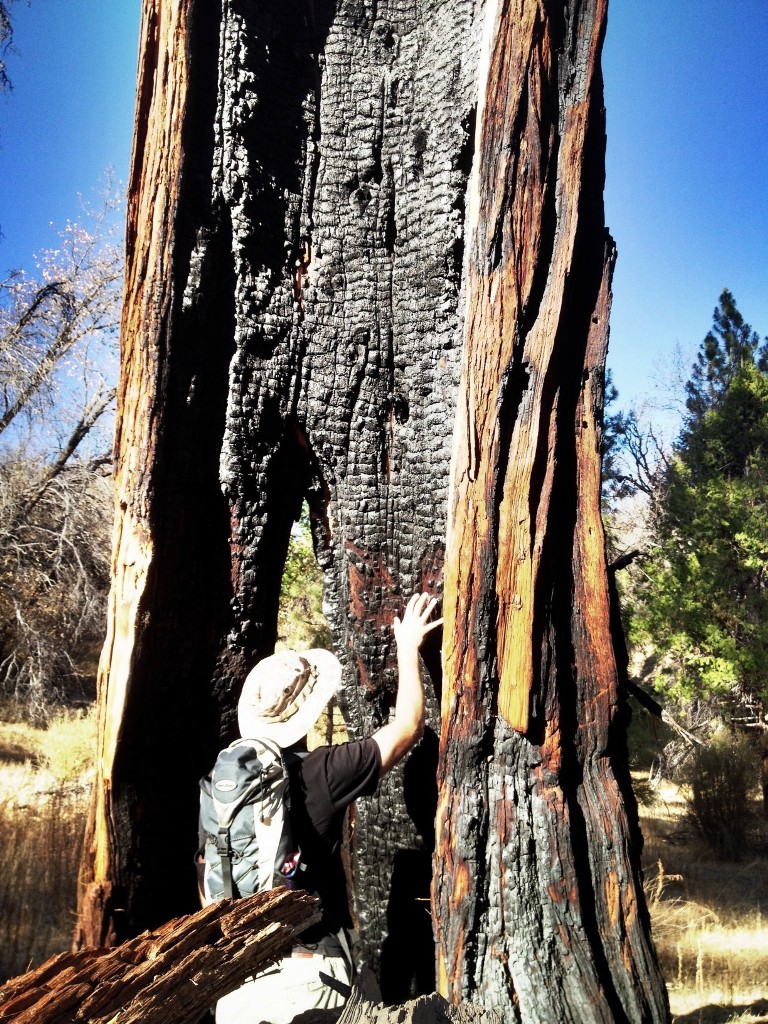
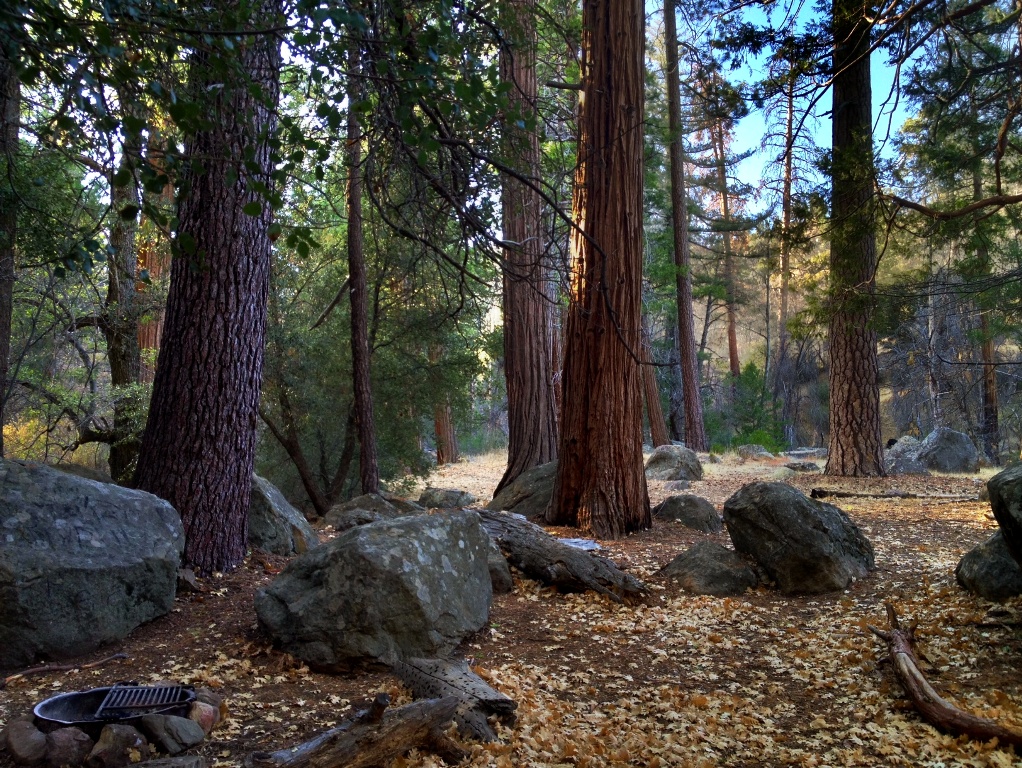
Concerns in the wilderness revolve around basic necessities not luxuries. Removal from the busy, overstocked urban realm and immersion in the sparse serenity of pristine nature reduces life to an elemental state. Such experience trims the fat removing excess and in that leanness is found clarity and perspective.

Minimality transforms outlook and attitude. Things are the same but subtly different, as if a ray of light cast from a new angle has illuminated life in a way that reveals its previously unseen characteristics.  The common and ordinary take on greater value or perhaps it’s that their true worth is better revealed.

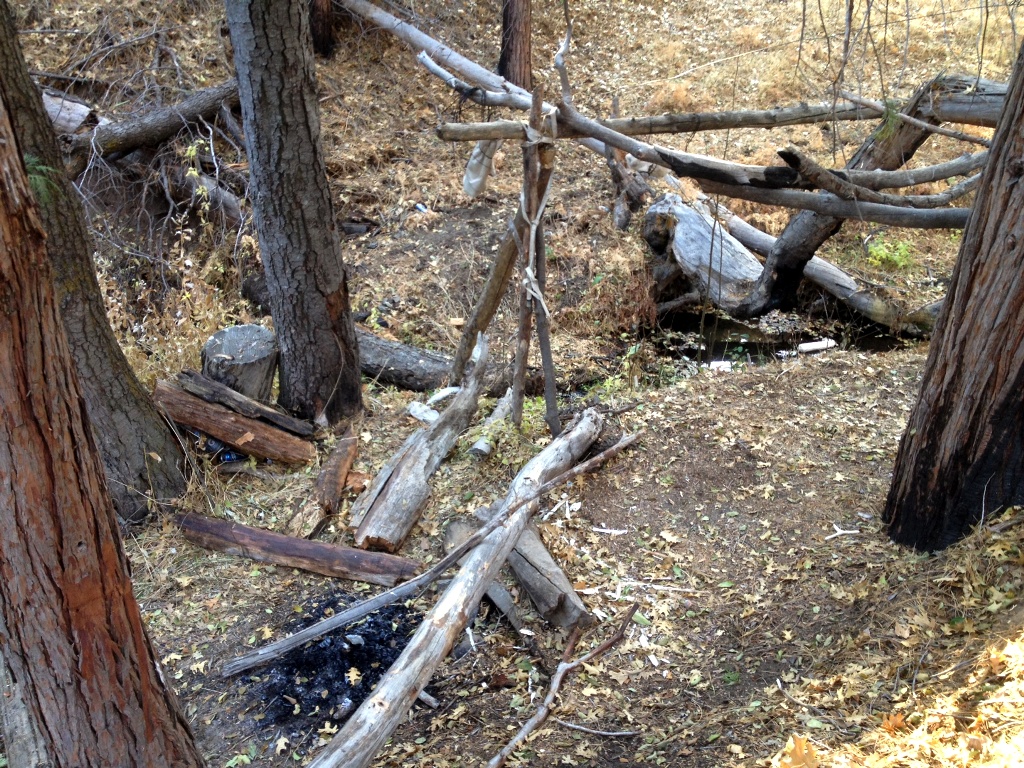
camp graffitoIt is a less sophisticated slower-paced life in the wilderness, where boiling creek water to brew a spoon full of coffee or cook a handful of pasta can be a remarkably pleasurable experience, nearly an end in itself.

At home, caught up in the busy business of urban domestic life, cooking, while one of my favorite activities, can feel like a burdensome chore I just want to complete in order to quickly move on to the next task. Sometimes I wish there was a pill to satisfy hunger like aspirin relieves a headache.

At home I carelessly shovel heaping amounts of fanciful food from an overflowing cornucopia and guzzle a seemingly limitless variety or drinks from a bottomless well, a glutton assuming the never ending supply of endless choices will always be there when and where I demand it.

When in the woods, on the other hand, with only a small quantity of basic provisions, I relish each little bit as though it’s a pinch of a rare treasured commodity selected from a limited cache and held carefully in cupped hands.

Few victuals have ever been more enjoyed and appreciated as much as those simple meals I’ve eaten from a plain metal dish, on a dusty and battered old picnic table or atop my lap, around a flickering campfire out in the backcountry. In the wilderness I come to better appreciate so much of what I routinely take for granted while in the city. And I realize how little is needed to be happy.

Santa Ynez Mountains Los Padres National Forest hikingWandering off-trail in the Santa Ynez Mountains.

Posted in Nature | Tagged , , , , , , , , , , | 4 Comments

Jack Elliott’s Custom Deluxe Trail Cakes

pancakesThe more time I spend hiking the more important food becomes both in taste and nutritive content. Sooner rather than later it seems every sort of energy bar, snack, meal and caloric form is tried. Some are hard to choke down with any enthusiasm or enjoyment, even though wholesome and well made. Yet even somethings that are enjoyed eventually no longer satisfy and are a chore to chew up and swallow.

Sometimes, to avoid eating what food I’ve brought because it’s thoroughly unappealing, I’ll go most of a day eating very little to the point of precipitating fatigue, headache, stomach pains and a sever decline in physical ability. I’ll get back to my vehicle, slide into the seat feeling like I’ve been tortured, and head straight for the calorie bomb of a freshly made hot meal somewhere which hits the stomach like a bowling ball. If only I could get a good greasy cheeseburger, burrito or plate of enchiladas out on the trail!

chia seedsAnd so with the idea of finding something new and which I actually look forward to eating and that I unintentionally scarf down quickly like a starving doga sure sign of tasty fulfilling foodI started frying up miniature pancakes to take out hiking.

I use as a base high quality organic whole wheat pancake mix to which I add organic buckwheat. I supplement the flour mixture with flax seed meal and whole chia seeds to add additional fiber and protein. Chia seeds, for example, pack five grams of fiber and three grams of protein in a single tablespoon and provide sustained energy. While these days chia seeds are renowned by athletes and distance runners as a source of long lasting power, the tiny seeds were long ago eaten by Aztec warriors for similar reasons. The word “chia” is derived from the Mayan language and means “strength.”

In mixing the batter I don’t skimp. I use whole milk for a creamier taste and more calories. I add cinnamon and vanilla extract for additional depth of flavor. I fry the cakes in a generous amount of coconut oil, which also adds flavor as well as calories and that results in a pancake with crispy, wavy edges that are irresistible. Fresh out of the pan I smother the hotcakes in honey to sweeten them, add further calories and provide a source of quick energy.

The result is a deliciously sweet and tasty, healthy treat that provides quick as well as sustained energy.

Related Post:

Jack Elliott’s Custom Deluxe Campfire Cuisine (Soup and Stew)

Posted in Reference | Tagged , , , , , , , , | 9 Comments

A Feeling of Aliveness Hard to Find In Any City

Figueroa Mountain sunsetSunset in fall, Los Padres National Forest.

Rich sensory perception is the essence of human existence and it occurs in nature more strikingly than perhaps anywhere else. In the remote, less visited tracts of unsettled land exists a feeling of aliveness hard to find in any city. Where there are no distractions from the trappings of civilization or humanity’s artificial landscapes and environments, and where such buffers do not insulate a person from the natural world.

Consider the point in the context of a single basic meal. Squatting beside a wood-fired open flame circled in stones grilling a small meal out in the wilderness makes for a vividly rich sensory experience. The sizzle and snap of burning wood, random leap of unpredictable flames and flickering firelight. The dancing shadows and swirling plumes of spicy wood smoke biting at the nostrils or stinging watery eyes. There is an herbal fragrance from the cooling forest at dusk and a sweet, minerally and moist scent of a nearby stream and its soothing sound of trickling water. The sun’s radiance transferred across 93 million miles to the plant that absorbed its solar energy, used it to fuel the creation of wood, which I gathered by hand and now burns brightly, hot against my face, radiating the sun’s energy back at me through the cool night air. And the star-sprent blackened void of infinite space overhead.

campfireTransfer the cooking of a meal into the confines of a home’s enclosed kitchen, where bulbs cast never changing artificial light, always from the same angle, and make it day at any hour. I cook by stovetop over a uniform little ring of piped-in, gas-fueled, smokeless blue flame. Wood flooring, stainless appliances, granite and travertine. It’s slick, convenient and as evolutionarily efficient in storing, preparing and consuming food as any one of nature’s iconic animals is at survival. But an entire world of sensually rich experience is lost.

After enjoying a meal beside the campfire I walk down to the creek for water to clean up with and perhaps to replenish supply for a cup of coffee or to drink during the night. A loud cacophony of cricket chirps and frog croaks fires forth from the surrounding darkness. The moist heaviness of the fragrant mountain air  intensifies as I approach the flowing stream, the earthy scent of saturated organic matter, mud, and wood and rotting plants. The water is chilly to the touch and makes my fingers ache.

Despite knowing I have nothing to fear, the pioneers and settlers long ago having killed off the wolves and grizzly bears, and not being in the place or time to worry about deadly Comanche raiders or such, I still look apprehensively over my shoulders now and again, alone peering into the blackness of the forest as if some unknown creature or entity is lurking just out of sight. The dark and remote woods, desolate, wild, miles from civilization and well out of cell phone range, makes me feel small and vulnerable as I crouch beside the creek, defensive in some manner. And it sharpens my senses.

I place a bare hand on a gritty and cold cobblestone and lean down to sip the running clear mountain elixir infused with nutrients absorbed from the surrounding land and its flora. It tastes good, sweet and syrupy-like and alive with complexity altogether missing from the sterilized, processed water of the urban realm. I walk back to camp watching the orangy warm glow of firelight flicker in the forest canopy. The mountain air is getting colder and the silvery glint of dew sparkles on the plants and beads up on and weighs down the spider webs.

fire roasted rainbowtroutCampfire roasted rainbow trout.

Translate the same activity into modern domestic terms and, again, an entire world of sensually rich experience is lost, life’s activities becoming clinical and lackluster. In the kitchen at home, beneath artificial lighting, I load dirty dishes into the dishwasher and press a button. The tap water smells faintly of chlorine. I place a glass to the fridge for a drink and a stream of cold water shoots out, and while filtered so it doesn’t taste bad, it still tastes bland.

There is less feeling. A dearth of stimuli relative life in the open wilderness. Like lunch in the sterile atmosphere of a hospital cafeteria beneath fluorescent lights compared to an open air picnic on a warm sunny day beneath a vast blue sky. And that is but one small facet of daily life. Imagine the span of an entire lifetime and what might be given up the farther from nature life is lived.

Posted in Tales | Tagged , , , , , , , , , , | 6 Comments

The Sisquoc Falls: A Little Known Region in California Explored (1884)

Sisquoc FallsSisquoc Falls, located in a restricted condor sanctuary in the San Rafael Wilderness, is officially off-limits to the general public.

The following narrative was originally published in the Santa Maria Times in 1884. It chronicles the bushwhacking exploratory adventure of a group of men who fought their way up Santa Barbara County’s remote, wild and trailless Sisquoc River to its headwaters and surrounding mountains.

Locals with experience hiking Santa Barbara County mountains, and who well know the brutally impenetrable and lacerative nature of chaparral, may find it humorous that the explorers warn readers, “we advise anyone undertaking the trip to take along a sheet-iron suit of clothes.”

Hiram Preserved Wheat, mentioned by last name in the story as a guide, was “the patriarch of the Sisquoc homestead community,” write Blakley and Barnette in their book, “Historical Overview of Los Padres National Forest” (1985). He was known to the pioneers of the Sisquoc River area as “Old Man Wheat” and originally came from Potawanie County, Kansas. Today, a grassy and steep, pyramidal mountain overlooking the Sisquoc River is named in his honor, “Wheat Peak.”

The other guide mentioned, Forrester, was another member of the Sisquoc homestead community, Edward Everett Forrester. He was one of three people chosen to form a board of trustees for the community’s newly constructed schoolhouse in 1893. (Manzana Creek Schoolhouse 1893)

Wheat Peak, Sisqouc River Manzana CreekWheat Peak, as seen from Manzana Schoolhouse, looms over the Sisquoc River which flows along its base.

The Sisquoc Falls: A Little Known Region in California Explored

Having heard so many conflicting reports about the wonderful scenery at the headwaters of the Sisquoc Creek, we, in company with Messrs. Wheat and Forrester, concluded to make a thorough exploration of that section, which has until lately been almost a terra incognita to even the oldest settlers, owing to the dense chaparral which covered the mountains on all sides, and made it almost inaccessible until an extensive fire swept over the several hundred square miles about there. We supplied ourselves with a necessary outfit, mainly blankets, Winchester rifle and salt, mounted the hurricane deck of our favorite caballo and the first day reached Mr. Wheat’s ranch, 35 miles from Santa Maria.

Los Padres National forest cascade waterfallThe next day while passing through the narrows, where the canyon is only seventy-five feet wide, the walls above towering hundreds of feet, we met with a slight accident in the same place where two other horsemen had come to grief only a few days previous. On one side a trout pool ten or twelve feet deep, on the other a shelf of slippery soapstone, to cross at an angle of 45 degrees. My horse’s feet slipped, and first the rifle went clattering down the slope, horse and rider rolling after in inextricable confusion. The rifle went off, striking the horse, fortunately missing a vital part. A mile further on we reached Mr. Robert’s camp and were soon supplied with a remount.

After passing the narrows we had to cut a trail for miles until reaching the burned country above the main forks of the river. Ascending the south-east fork about twelve miles from the river we came to Ventura Fallas we named itfrom the great number of them about there. The gorge at the foot of the fall was wild and picturesque in the extreme. Huge boulders and fallen trees, with occasionally a cascade varying in height from ten to one hundred feet to climb around. Grizzly bear tracks were quite plenty, but no grizzlies came in sight on the top, nor were we hunting any.

We climbed above and measured the main fall and found it to be 480 feet in heighta sheer descent with about 30 miner’s inches of water flowing over it. The stream falls about 2,o00 feet in two miles and a half, making a great number of beautiful cascades. The pool below the fall is 80 feet long, 40 feet wide and upwards of thirty feet in depth, clear and cold as ice, and so sheltered by the overhanging bluffs that the sun rarely shines in it.

Stringer_of_Steelhead_Trout_Upper_Sisquoc_River_1916Fishermen displaying their catch, or plunder depending on your perspective, along the Sisquoc River (1916). The waterway is now an officially designated Wild and Scenic River. Fishing is no longer legally allowed in an effort to protect native southern steelhead, which are an endangered species and cling to existence today at about one to two percent of their former population size.

Near the top of the bluff, and at an elevation of 4,000 feet above sea, is an old beach line about fifty feet thick of rocks and marine shells deeply cemented together. This is the fifth well defined beach line to be found at the various altitudes between this place and the summit at the San Rafael range, all of them showing a different age and different formation of rocks. We found marine shells, etc., in the sandstone at the extreme summit of the range, at an altitude of over 5,000 feet.

Climbing the mountain above the fall we found to be terrific work; the dense chaparral partly burned and partly grown up again, was impossible to get through without chopping for miles. Near the summit of the range, between the Sisquoc and the Santa Ynez, we found a belt of fine timber on the northern slope of the mountain, about three fourths of a mile long and half a mile wide. We made a thorough examination of the whole grove and found it to consist mostly of the yellow pine to be found at certain altitudes on all mountains in California. Quite a number of the finest kind of sugar pine, with a few scattering firs and cedars, the latter being mistaken for redwood by an experienced woodsman, with a few oaks intermingling. We made a partial count of the grove and estimated the number of trees fir for milling to be from 9,000 to 10,000, the majority of them being from three to five feet in diameter.

After a careful search, we could find none of the unmistakable traces which a white man leaves behind him and concluded that the place has been hitherto very rarely visited by them. In one place were three cedar stumps which had been cut at least from 50 to 75 years, judging from their state of decay. It was done with a dull ax by Indians, probably to make bows from.

Sisquoc River tributary waterfallA clear, cold and deep pool along a tributary of the Sisquoc River.

The slope is so steep that we could find no place level enough to spread our blankets without shoveling, except at the extreme summit of the mountain. There we had a magnificent view of the whole surrounding country. To the south and west lay the Santa Barbara Islands. Far out across the Mohave Desert, upwards of 200 miles distant, the Providence Mountains were plainly seen. To the northwest the wide sweep of the San Joaquin Valley, on the further side the Sierra Nevadas, the snow-capped summit of Mt. Whitney and other lesser peaks, while in the northwest lay the coast range, a succession of sharp ridges and steep canyons, covered with dense chaparral for hundreds of miles, with here and there a beautiful valley nestling below.

The day was exceptionally clear, and the prospect well repaid us for all the trouble of getting there. The following day we tried to ascend the main south fork of the creek, which is even a rougher and wilder gorge than the other, if possible. After climbing a mile and half we came in sight of another fall from 250 to 300 feet high, considerable water flowing over it. We had to give it up as a bad job that day, and we advise anyone undertaking the trip to take along a sheet-iron suit of clothes.

Those falls are about 65 miles from Santa Maria, and the timber belt spoken of about 70 miles. On coming back to camp we found one of the party, Mr. Roberts, in chasing a wounded deer had broken a bone in his foot, compelling us to start out as soon as possible. In another branch of the creek we found a small grove of genuine sugar maples, some of them two feet in diameter, the only natural grove of the kind we ever heard of in California.

Posted in Santa Barbara County | Tagged , , , , , , , , , | 6 Comments

Grass Mountain & Zaca Peak Via Birabent Canyon

The environs of Figueroa Mountain feature a diverse range of landscape. Open rolling grassland, gravely slopes sparsely studded with moss and lichen covered oaks, other nooks holding denser stands of oak and conifers, flowing creeks in the shady sycamore canopied canyons, piney peaks, and spectacular wildflower blooms in spring that can be seen from miles away.

Following any one of the many short trails that wind and weave through this area of the Los Padres National Forest takes hikers, in short order, through an outdoor realm of varied habitat like few other areas of the local forest.

Following below is a photo essay from a recent hike to the top of Zaca Peak from the mouth of Birabent Canyon on Alamo Pintado Creek. (This hike traverses private property and requires a permit from Midland School.)

Figueroa Mountain foggy RoadMorning fog along lower Figueroa Mountain Road.

Zaca Peak Grass Mountain mapBuck Figueroa Mountain Los Padres National Forest

Grass MountainGrass Mountain as seen from La Jolla Trail.

Grass Mountain Santa Ynez ValleyGrass Mountain Zaca PeakGrass Mountain and the ridge leading to Zaca Peak.

flower Figueroa Mountain

Tarantula Figueroa MountainTarantula sunning on the trail.

Tarantula burrow hole denTarantula burrow.

Grass Mountain Zaca Peak Birabent CanyonGrass Mountain with Zaca Peak barely visible behind it to the right.

Grass Mountain Zaca RidgeThe lone oak before the wall of Grass Mountain.

Grass Mountain TrailUp.

California golden state dried oats grassGrass Mountain view Figueroa MountainA thin finger of maritime fog from the Pacific still lingering far up the Santa Ynez Valley, the marine layer looming over the Santa Ynez Mountains in the distance.

Grass Mountain view Santa Ynez ValleyTrail leading off the top of Grass Mountain looking over Santa Ynez Valley.

Grass Mountain FigueroaLooking down the face of Grass Mountain.

Grass Mountain summit FigueroaGrass Mountain summit.

giant acorn

Zaca Ridge Zaca PeakZaca Ridge and Peak seen from atop Grass Mountain.

Zaca Ridge TrailTrail along top of Zaca Ridge.

Zaca Peak Zaca Ridge TrailZaca Peak

Zaca Peak summit viewThe view from Zaca Peak summit looking over Grass Mountain and the Santa Ynez Valley toward the Pacific Ocean.

Zaca Peak view Figueroa MountainLooking east from Zaca Peak.

Related Posts:

Birabent Canyon and Grass Mountain
Figueroa Mountain Wildflowers
Toddling Down the Davy Brown Trail
Edgar B. Davison’s Cabin (circa 1900)
Backcountry View From Figueroa Mountain Summit

Posted in Santa Barbara County | Tagged , , , , , , , , , | 11 Comments