 The Blistery Beginning
I remember sitting in seventh grade math class at La Colina Jr. High one afternoon and itching the hell out of some poison oak on my upper thigh.
I managed to scratch it into a puffy, red blistery mess, and then used my mechanical pencil to pop the tiny serous filled vesicles that had erupted by the hundreds. It was a great distraction.
I walked out of class with a mean looking wet rash that felt hot and hung stiff and heavy on my leg, as if it had been welded to my skin like a vulcanized patch on a bike tire tube.
Such were the wages of the early years. The maddening unbearable-to-resist itch and constant fidgeting, the blisters, the hideous looking dermatitis, and the rashes scratched raw which made showering torturous and sleeping difficult.
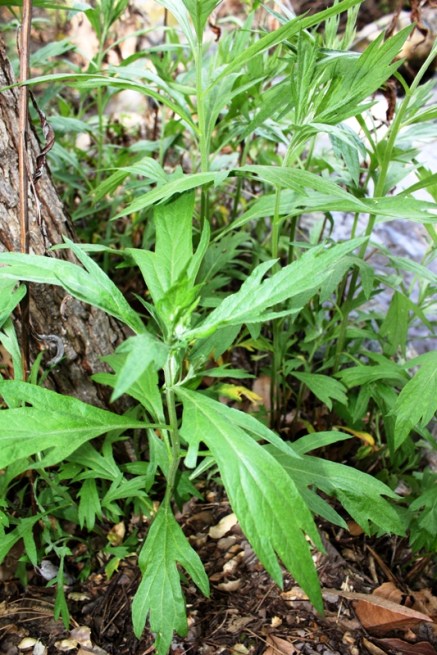
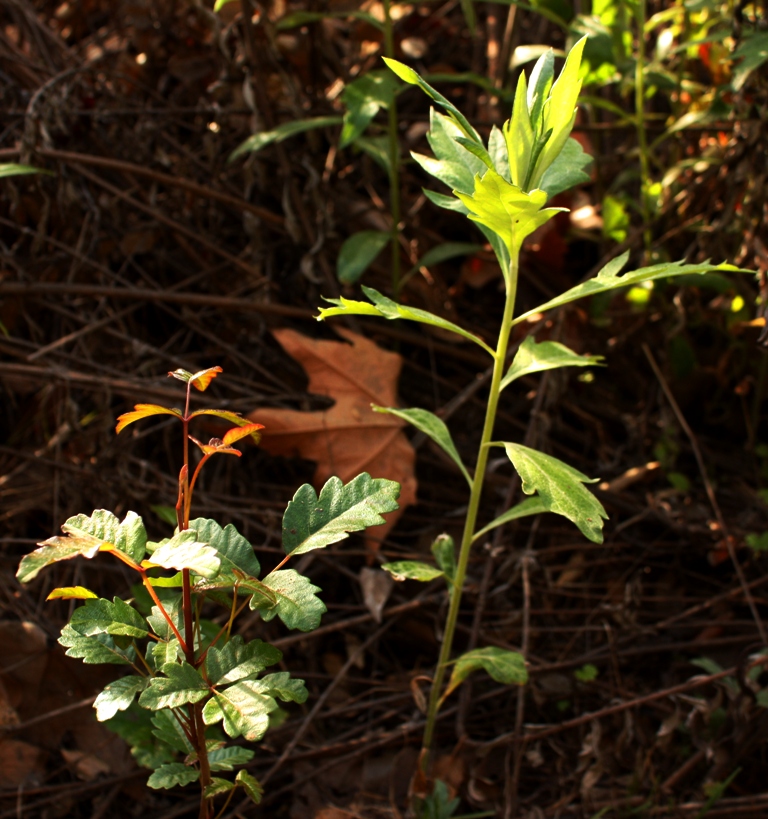
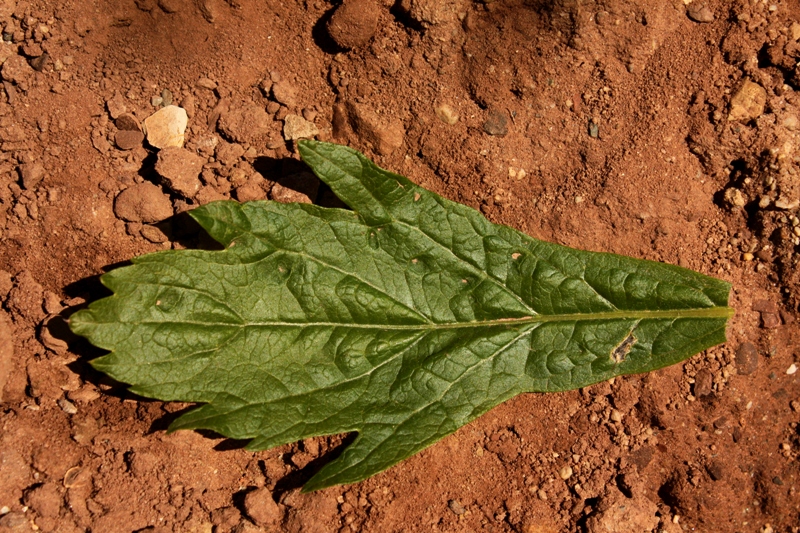
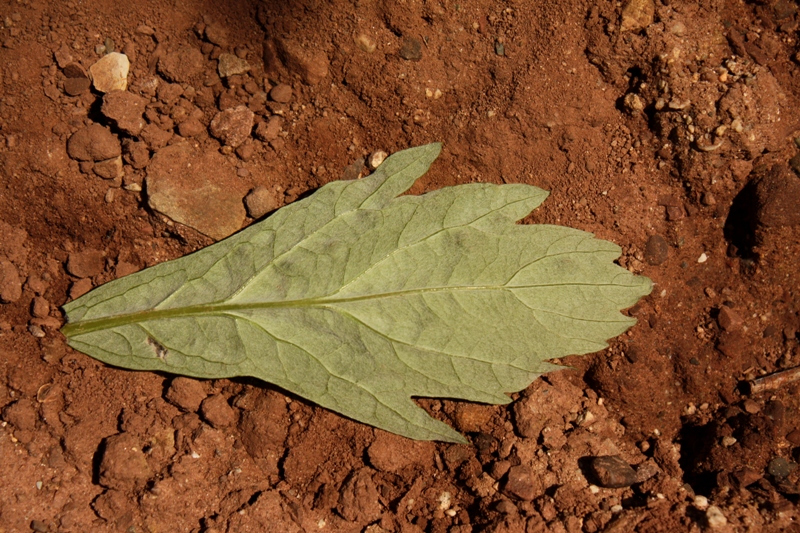
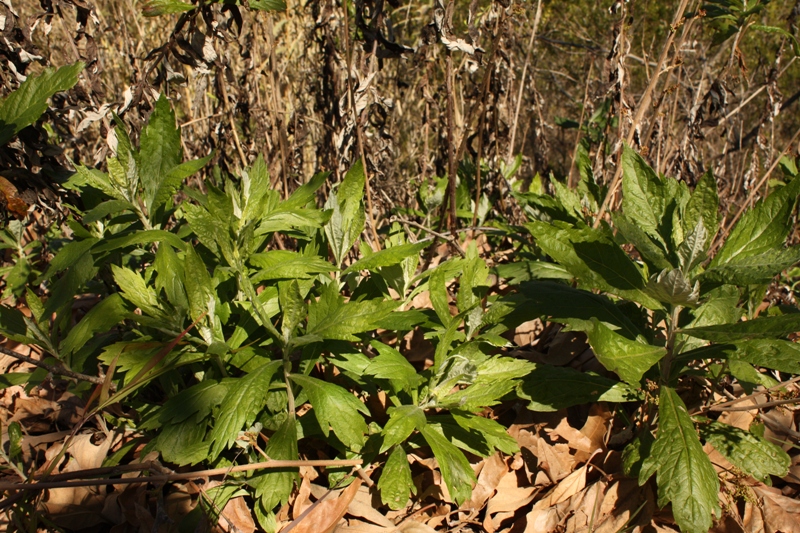
Even though I habitually used mugwort as a preventive, inevitably I’d miss a spot, and it would erupt into a rash that I couldn’t resist itching which would then spread. On the flip side, for all the inconvenience and discomfort, itching a good case of poison oak was about the best feeling I knew back then, and almost made it all worth it.
Eating For Immunity
There was a time when I avoided poison oak like an airborne contagion. Nowadays I eat it. And without concern, if need be, I tromp right through the bushiest groves with the biggest, oiliest looking leaves. Rarely do I break out with any sort of dermatitis. At most, if I do have a reaction, it’s short lived and not more than a slight red tinge to my skin in a few select places.
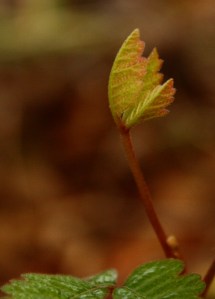
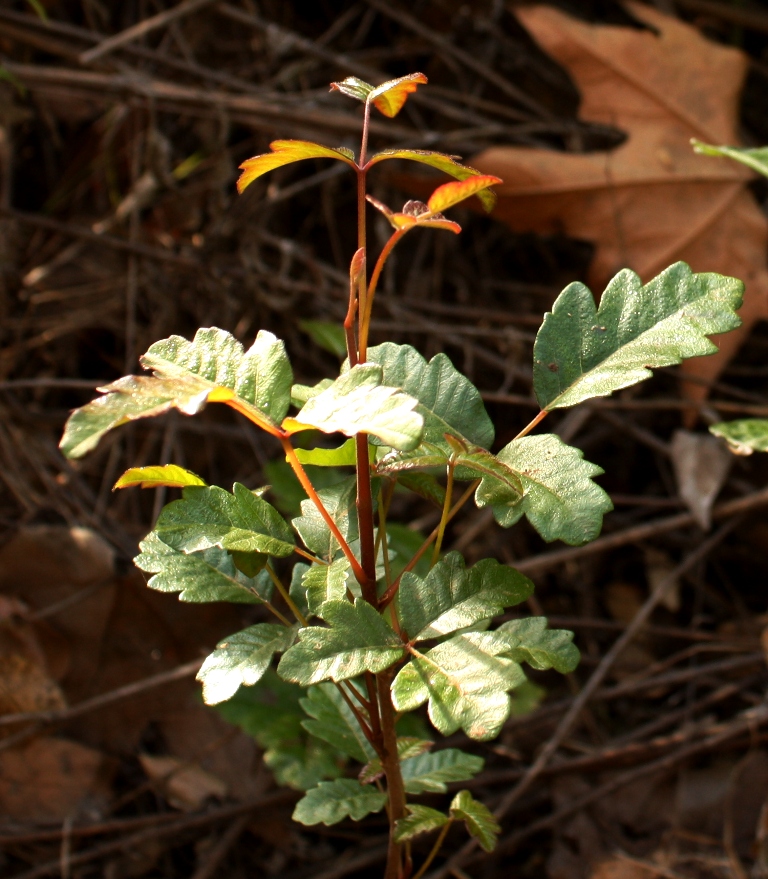
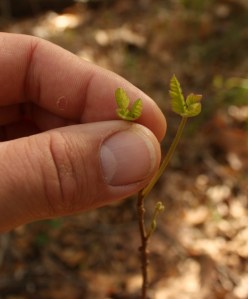 Every season in winter or early spring when poison oak sprouts new leaves I eat them. I pinch off the smallest ones, place them on my tongue and mince them into a sappy pulp with my front teeth and swallow the mush. I repeat this several different times early in the calendar year.
After constant exposure through the years, and especially ever after I began eating it, my reaction became increasingly milder until it was essentially non-existent. I never once broke out in a rash from eating poison oak or suffered any adverse consequences.
Traditional Knowledge
Historically, California Indians valued poison oak for numerous purposes. Costanoan Indians used poison oak leaves to wrap food in and wove the plant’s tender and flexible stems into baskets. Indians in Mendocino County used poison oak leaves to wrap up acorn mush in preparation for baking and the Karok used the plant’s twigs as skewers for smoking salmon.
The Chumash used poison oak medicinally in an effort to cure a host of ailments. Early California mission documents mention the use of poison oak poultices that were “very effective in healing wounds,” writes Jan Timbrook in Chumash Ethnobotany. The juice or sap that flows from young stems was also used to stop bleeding.
The Franciscan priest at mission San Luis Obispo in the early nineteenth century, to note a rather dramatic example, witnessed powdered poison oak used to heal the severe wounds a man suffered during a bear attack. In his own words:
“The Indians have no physicians but they have healers who administer their remedies to the sick. … The remedies they employ are plants, bark, roots and the leaves of various kinds of trees which I do not know except the ivy from which I have seen them make plasters, for instance in the case of a man who had been frightfully lacerated by a bear in the arms, legs, sides and shoulders. He was cured by simply being covered with the powder of the ivy.”
According to Timbrook, the historic populations of Chumash were largely immune to poison oak’s rash causing poison, while visiting Indians from other regions were often highly allergic. Immunity apparently waned in later generations among whom, presumably, traditional medicinal practices were no longer used and there was less exposure to the plant in the wild.
The Mahuna Indians of California steeped dried poison oak roots in water and drank the resulting decoction as a preventive against future allergic reaction to the plant. To obtain immunity the Tolowa ate the youngest leaves in early spring just as they began to form and sprout.
Eating poison oak to avoid getting it may sound totally nuts, but considering the plant’s traditional Native American uses it shouldn’t sound so crazy after all. Just don’t blame me if you chomp down a leaf and end up in the hospital.
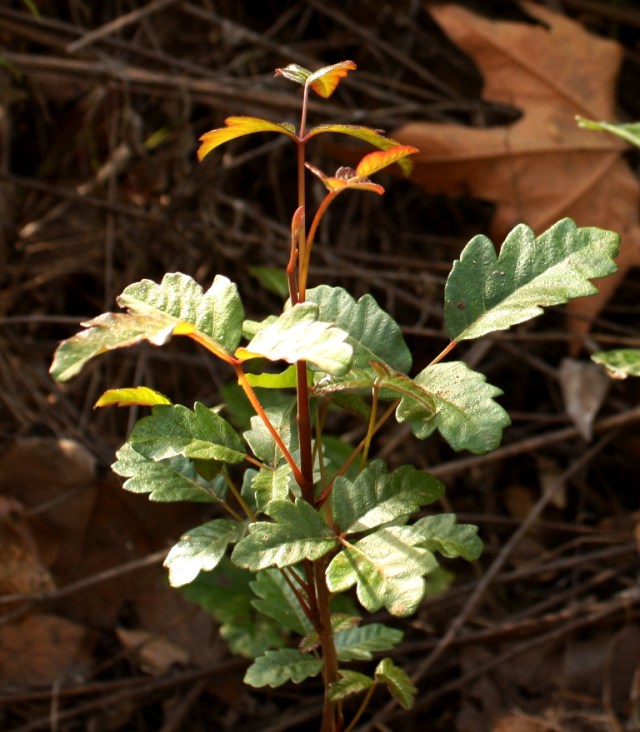
Poison oak or "yasis" in Barbareno Chumash.
United States Department of Agriculture Database: Profile page for Pacific Poison Oak.
Bibliography
Jan Timbrook, Chumash Ethnobotanty: Plant Knowledge Among the Chumash People of Southern California (Santa Barbara Museum of Natural History 2007), 214-17.
Maynard Geiger and Clement W. Meighan, Eds., As the padres saw them : California Indian life and customs as reported by the Franciscan missionaries, 1813-1815 (Santa Barbara Mission Archive Library 1976), 75.
John Bruno Romero, The Botanical Lore of the California Indians (Vantage Press 1954), 11.
Marc A. Baker, The Ethnobotany of the Yurok, Tolowa and Karok Indians of Northwest California (Humboldt State University, M.A. Thesis 1981), 58.
Barbara R. Bocek, Ethnobotany of Costanoan Indians, California, Based on Collections by John P. Harrington (New York Botanical Garden Press 1984), 251.
V. K. Chestnut, Plants Used by the Indians of Mendocino County, California, Reprint of U.S. National Herbarium Contributions Vol. VII, pp295-422 (Mendocino County Historical Society Inc.; Reprint edition 1974), 364.
Sara M. Schenck and E. W. Gifford, Karok Ethnobotany (University Of California Press Berkeley 1952), 385.
Related Post:
Mugwort: A Natural Poison Oak Preventive





















 Jack Elliott's Santa Barbara Adventure