 The entrance into the Burro Schmidt Tunnel.
“What is it, what nameless, inscrutable, unearthly thing is it; what cozening, hidden lord and master, and cruel, remorseless emperor commands me; that against all natural lovings and longings, I so keep pushing, and crowding, and jamming myself on all the time; recklessly making me ready to do what in my own proper, natural heart, I durst not so much as dare?”
-Moby Dick, Herman Melville (1851)
Along US-395 a small unremarkable wooden sign informs drivers that yonder in the El Paso Mountains of the Mojave Desert can be found the “Burro Schmidt Tunnel.” And so we ventured.
Down a long winding, bumpy, whoop-riddled dirt road Stillman manned the helm of the “Perseverance,” as we followed uncertainly the poorly signed route, passing OHVs and Kalashnikovs, until we arrived at a rectangular shored, blackened opening leading into a nondescript hillside. There before us was a tunnel hand dug over the course of more than three decades through some 2500 feet of steely granite by William Henry “Burro” Schmidt.
The following, as written by David Stillman and shared here by permission, is the Ahabian story of an inexorable, madly obsessed man hellbent on completing the herculean task he set for himself, if for no other reason than to merely achieve his goal.
 Looking down the Burro Schmidt Tunnel.
Burro Schmidt, the “Human Mole”
The desert breeds it’s own oddities, and the people who left them. Enter William Henry “Burro” Schmidt.
Schmidt was born in Woonsocket, Rhode Island. The year was 1871, and as he grew into a frail and small statured man, six of his brothers and sisters succumbed to tuberculosis. Fearing the same fate, Schmidt left for the hot, dry environs of California, arriving in 1894 at the age of twenty three.
He prospected in the mountains of Kern County, eventually filing claims in the desolate El Paso Mountains northeast of Mojave, CA. Here he set about his life’s work, and here Schmidt’s story gets incredibly weird.
Schmidt started mining, boring horizontally into a dirt capped mountain deep in the middle of egypt (a 4,400′ elevation mound in the El Pasos). In short order he encountered the solid bedrock under the mountain, bullet proof grey Kern granite. He must have encountered a couple veins of gold early on, or at least produced ore that assayed well because he kept at it, tunneling deeper into the mountain.
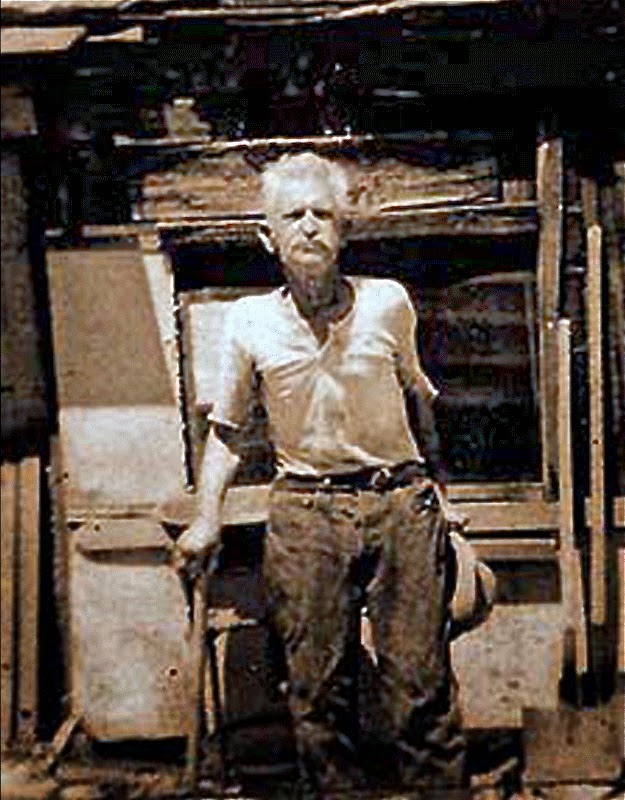
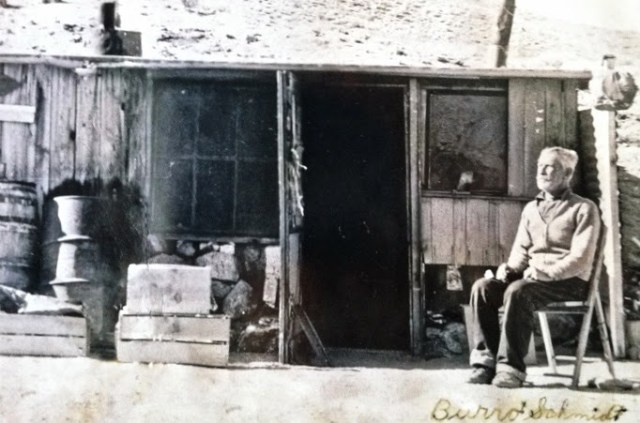 “Burro” Schmidt beside his humble abode a short distance from his tunnel.
But Schmidt had a problem, he didn’t have a way to get his ore to the nearest smelters. At that time there were no roads by which he could transport the ore to Mojave or Garlock (20 miles away) where his ore could be processed, and the only route out of the mountains traveled through a treacherous canyon.
At this point Schmidt had few options. He had ore with gold in it, but no way to turn that into money. In this light one might understand how these circumstances could have led Schmidt to do what came next. The year was 1906.
At some point, presumably after frustrations with transporting his ore, Schmidt declared that he would continue tunneling straight through the mountain until he reached the other side. In this way he would devise his own bypass to the problem. So that’s what he did.
 Schmidt must have been a site to behold. He lived alone but for the company of two burros. He recycled the tins from his provisions to resole his shoes. His clothes were patched with burlap sacks. His cabin was a one room shanty with two windows, a door, and a secondhand hand wood burner which served to heat both the room and his food.
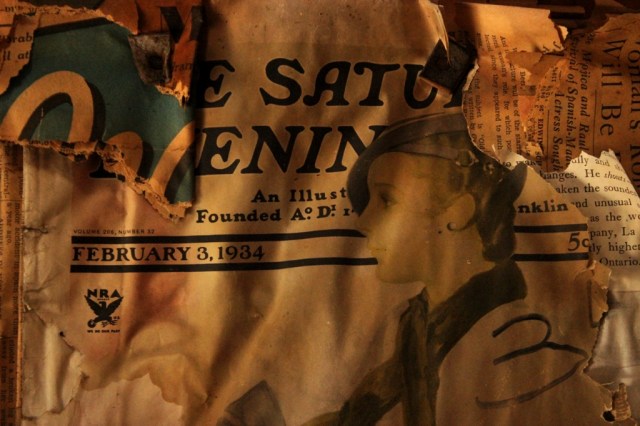
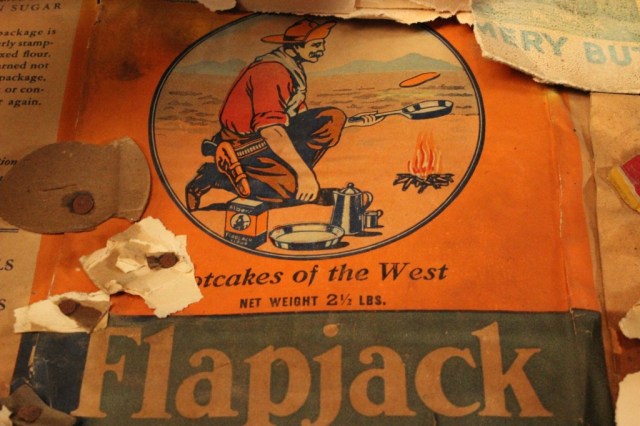
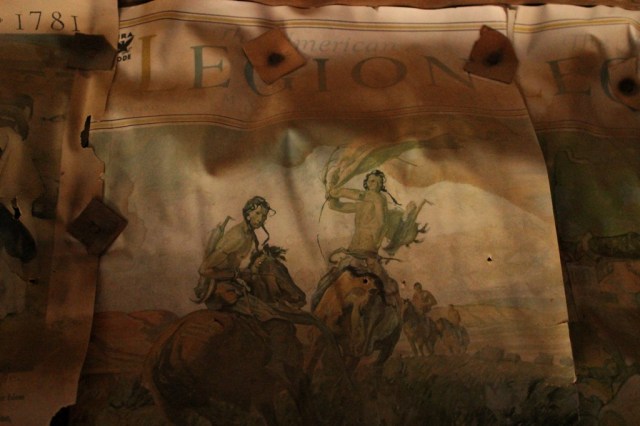
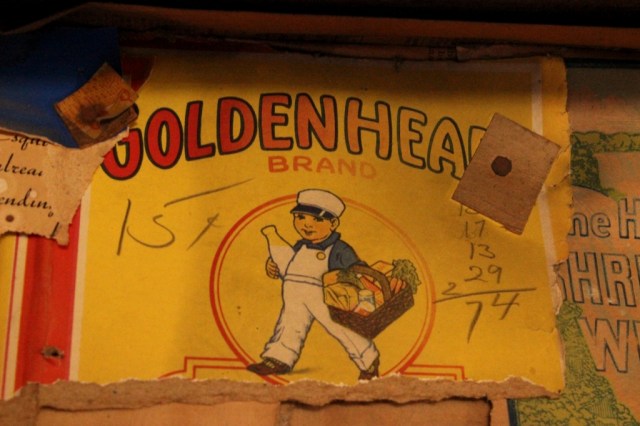
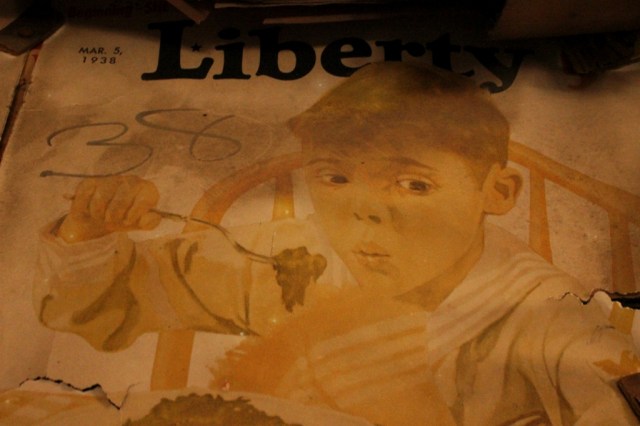
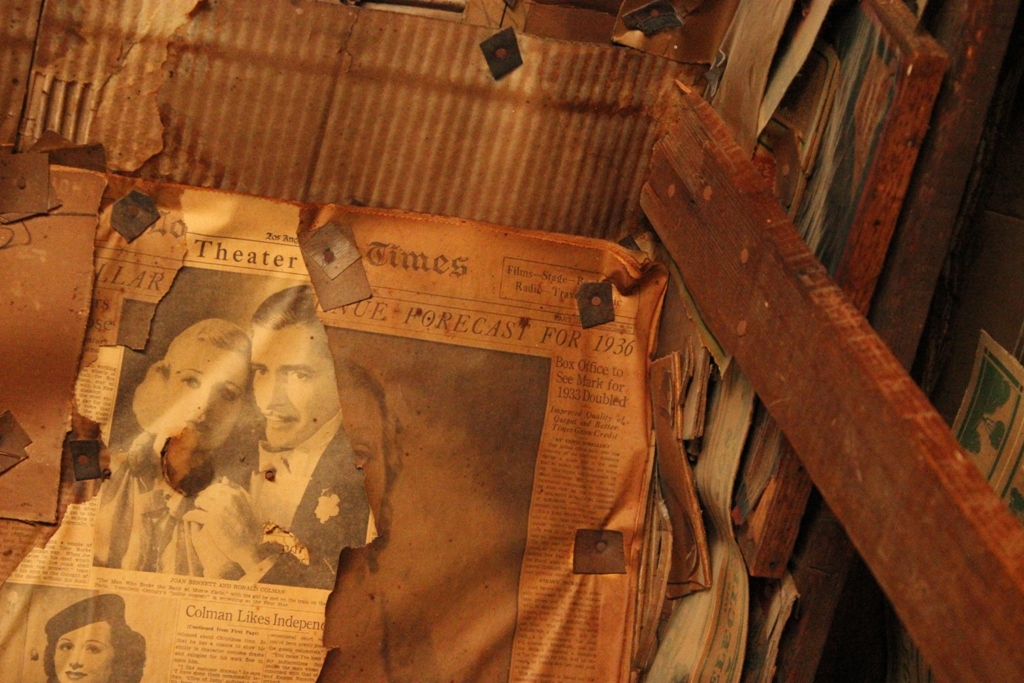
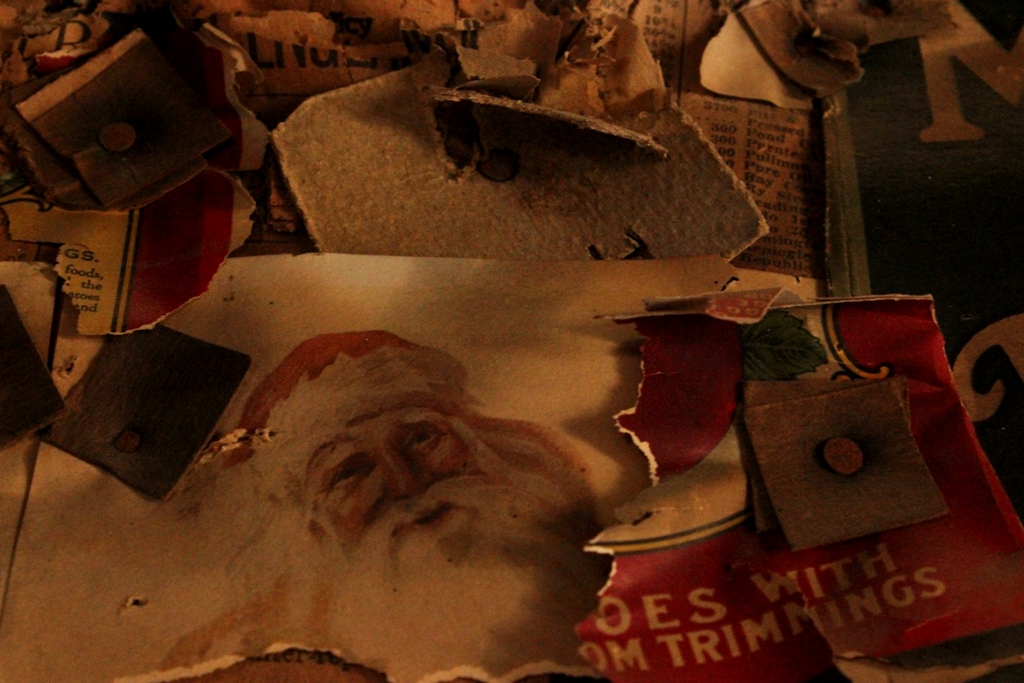
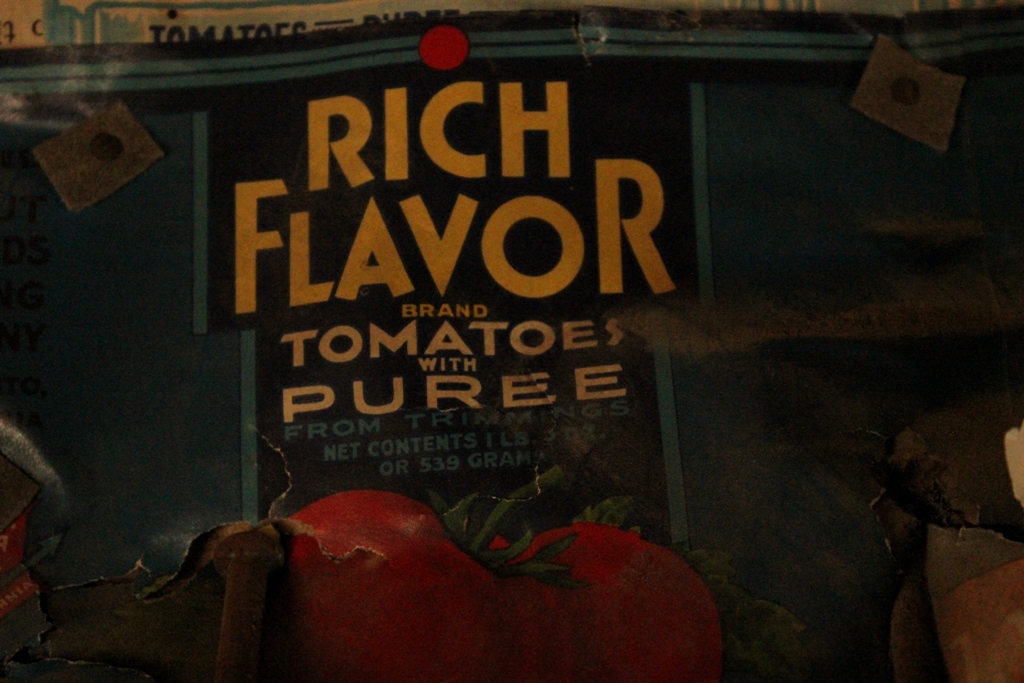
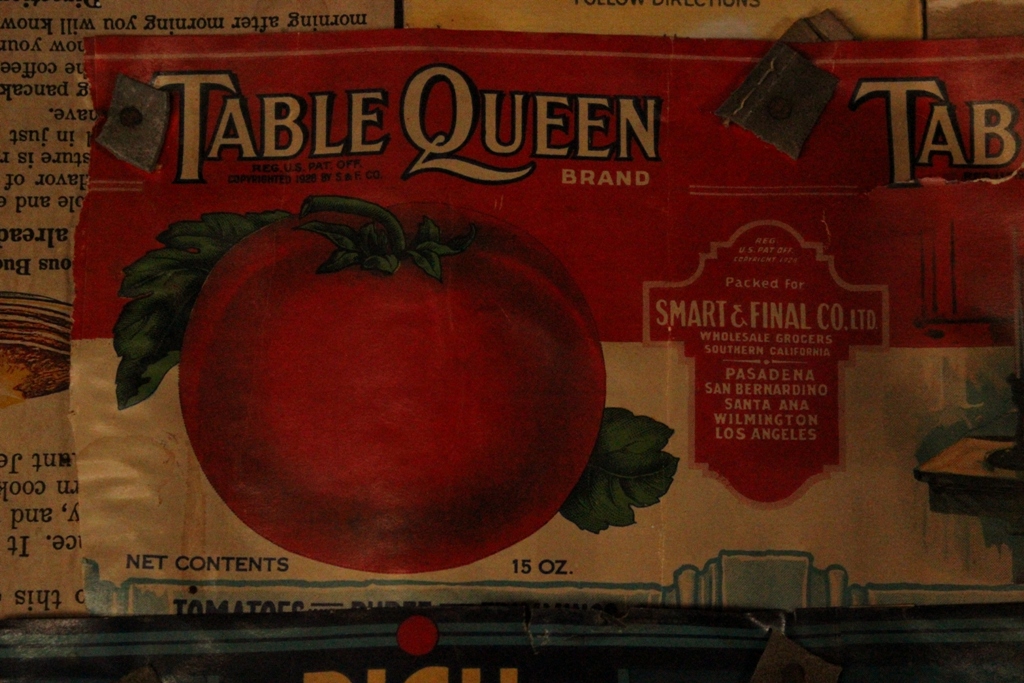
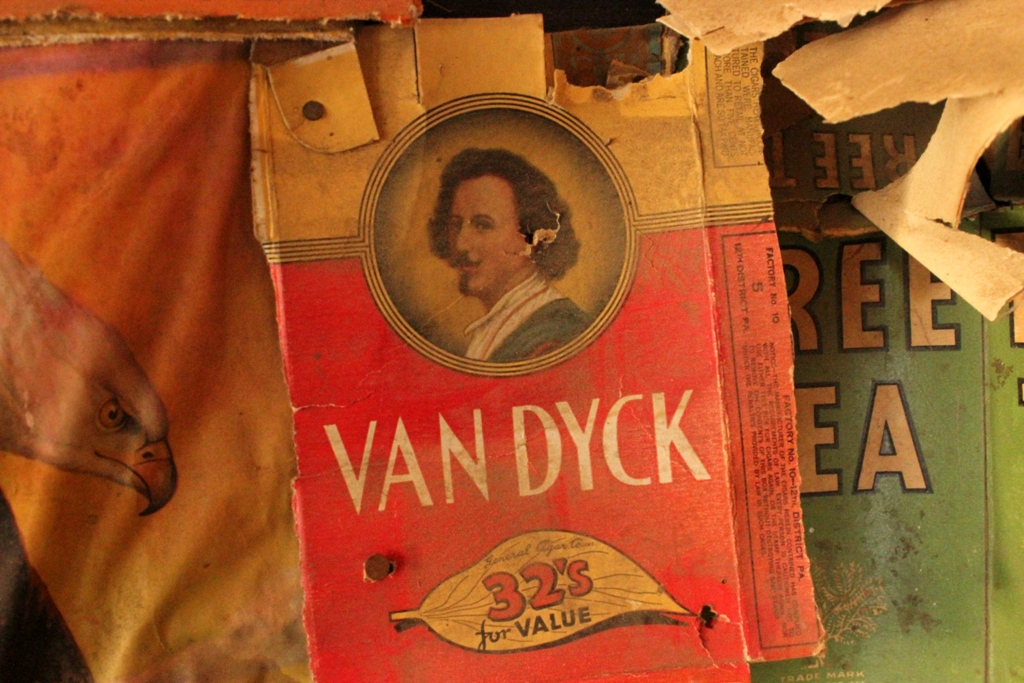
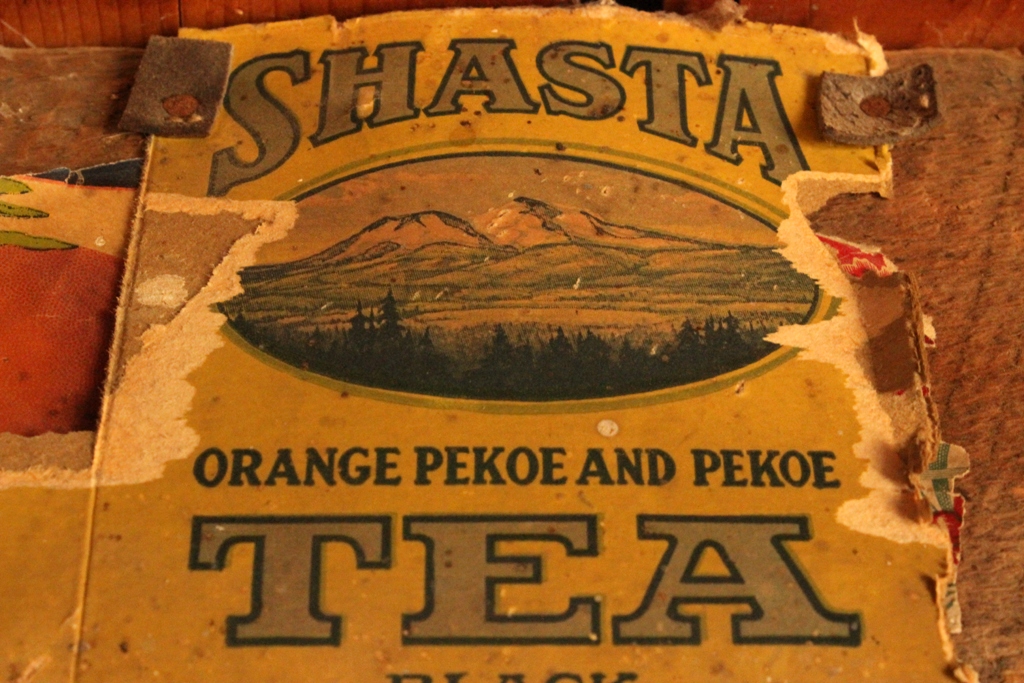
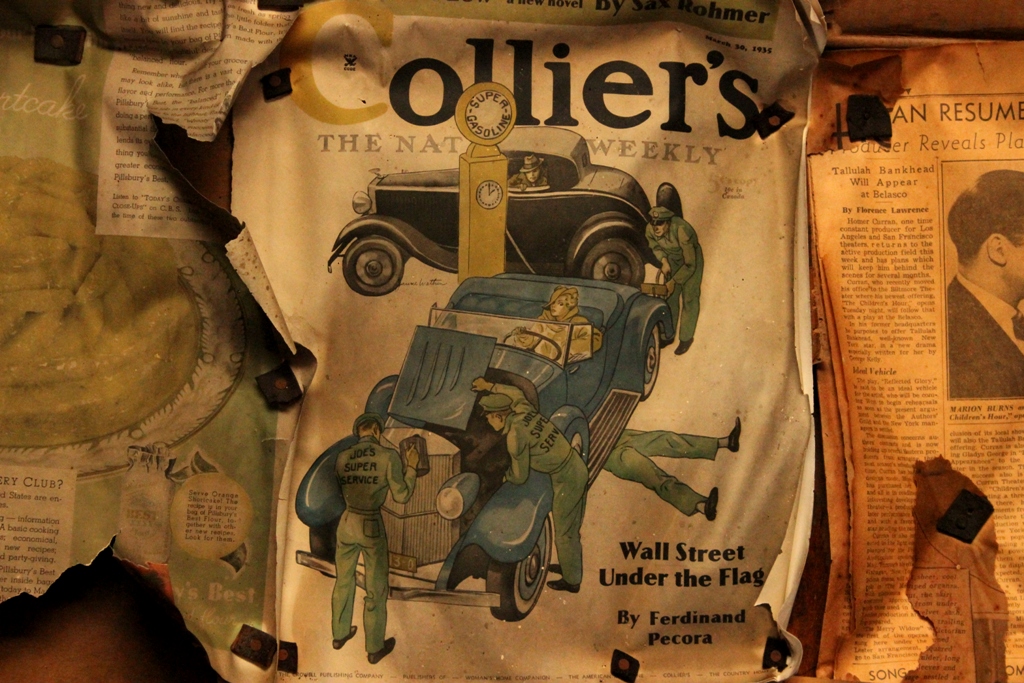
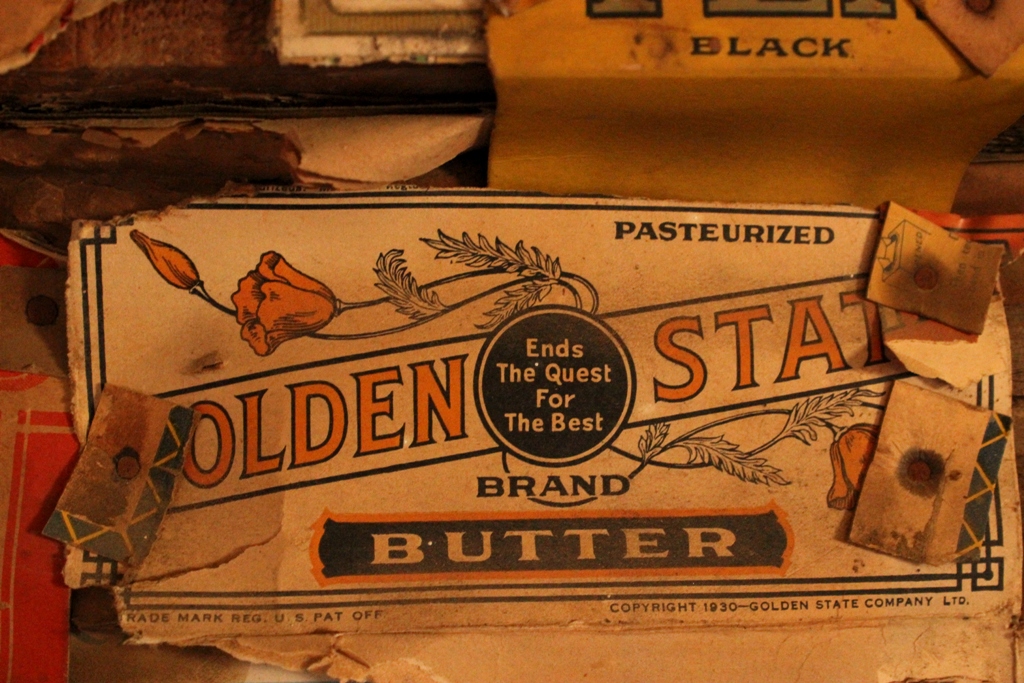
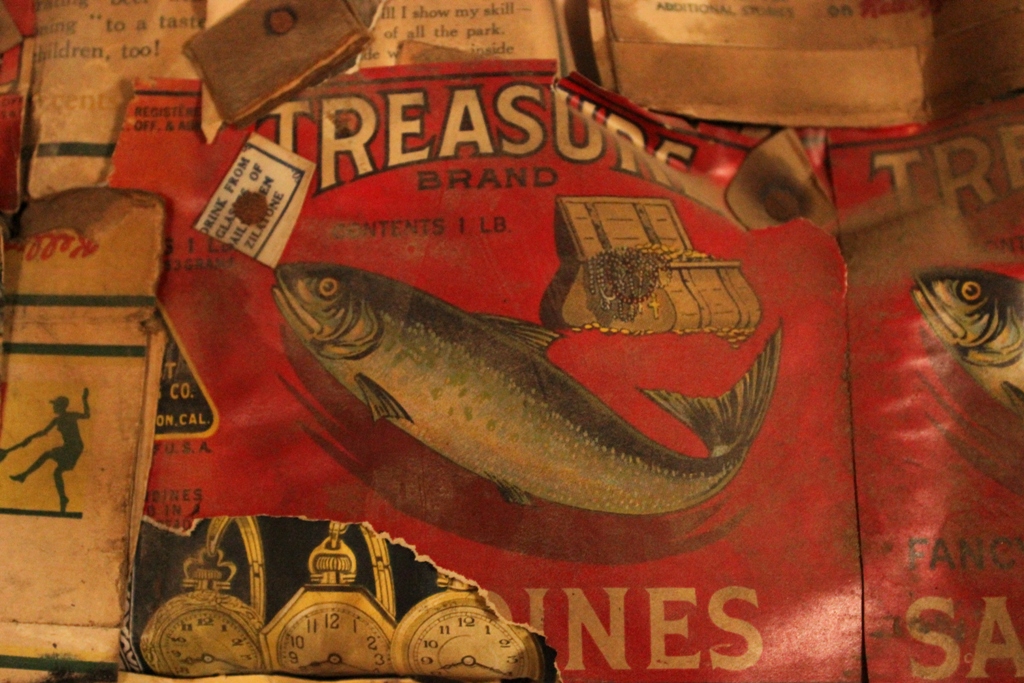
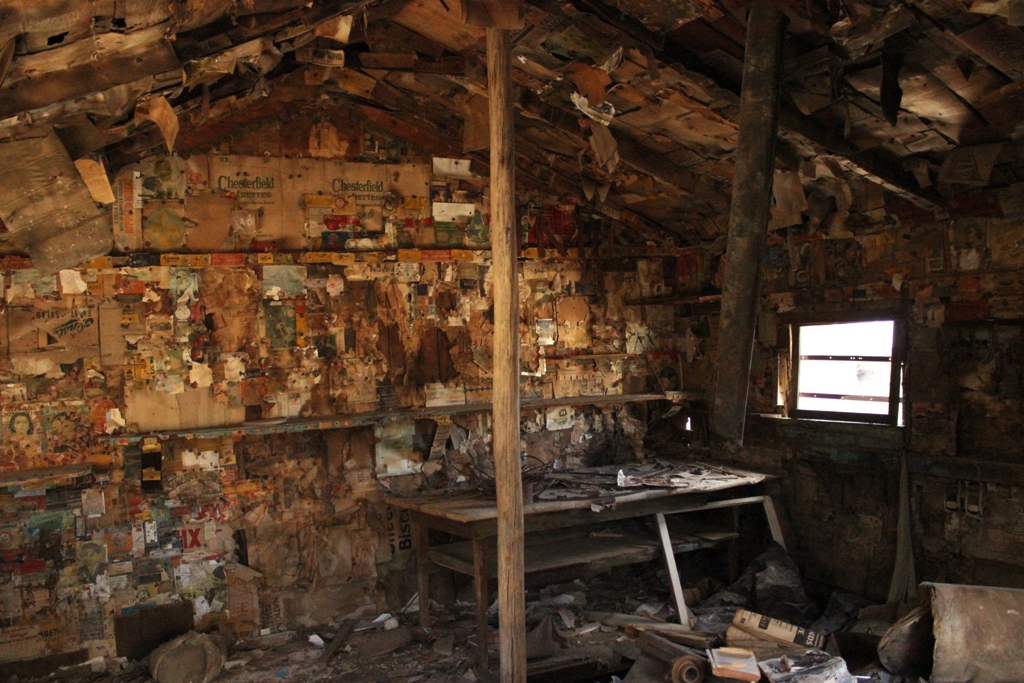
The shack, which still exists, was insulated on the inside with old newspapers, magazines, cardboard from foodstuffs, and holiday cards, all of which were tacked to the walls and ceiling to keep the heat in and the wind out. Most of these publications still remain in situ, many of which date back to the Great Depression.
Schmidt had no formal training in either prospecting or mine construction. He didn’t use any of the standard mining tools of the day, which would have included compressed air drills and jacks. Instead, he used only a pick, a shovel, a 4 pound hammer and a hand drill. On granite. Which is just ridiculous.
Later, after the mine and tunnel were underway, he began to use dynamite, again without a lick of experience or training. He came to the conclusion that short fuses save money, and would run out of the mine like the devil rode his heels every time he touched one off. On multiple occasions he showed up at neighboring mine camps injured, indicating he’d either cut the fuse too short or hadn’t run fast enough; probably both.
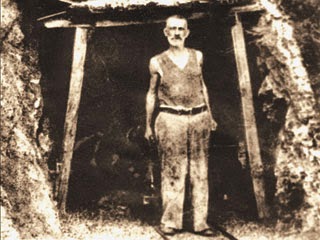 Schmidt was so frugal (a synonym for “broke”) that when the cost of kerosine for his single lantern rose, he would continue his work using only one two-cent candle per day. He survived numerous cave-ins during the excavation of his tunnel. Fortunately the shaft ran through solid granite because all indications are that he was too cheap to have purchased the timbers to properly shore up a less stable tunnel. He transported his ore out of the tunnel on his back before getting a wheelbarrow. Eventually he built a rail track and obtained a single ore cart.
In the 1920s a road was constructed through the nearby Last Chance Canyon which allowed an easy, downhill route into the desert. At last Burro Schmidt could safely transport the fruits of his labors. Here’s where reality becomes weirder than fiction. Schmidt, in his fifties by this time, and having tested his luck well beyond reasonable limits, should have settled down and started mining like it ought to be done. Nope. What makes Schmidt so perplexing as a human, and legendary in his time, is that he just continued doing what he’d decided he was going to do, digging his tunnel. His is an example where reasoned, rational intent does not conform to logic. Crazy as a soup sandwich.
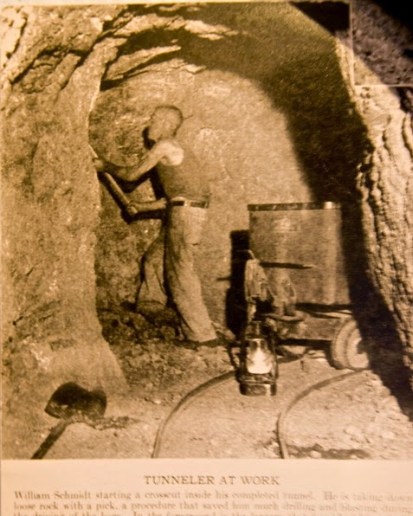 Schmidt at work, the frail flesh of humanity versus the bullet proof granite of eternal creation. Note that he is not even wearing gloves.
By the time Schmidt saw daylight at the opposite end of his tunnel he was 67 years old. The year was 1938, and he had worked on his tunnel for 32 years. The tunnel was nearly 2,500 feet in length and he had removed roughly 5,800 tons of granite. As for the tunnel, he never did use it to move ore to Mojave or anywhere else, and upon it’s completion he sold the tunnel to another miner, Mike Lee, and moved elsewhere in the El Pasos.
William Henry “Burro” Schmidt died in 1954 at the age of 83 and is buried nearby in the desert town of Johannesburg. He was quoted as saying, “I never made a damn thing out of it.” In a monetary sense that statement may be true, but the irony is that his tunnel, bored through solid granite, will probably outlast many of the other monuments men have created for themselves. Ripley’s Believe It Or Not named Schmidt “the Human Mole,” and stated of Schmidt’s tunnel that it was “the greatest one-man mining achievement in history.”
* * * * *
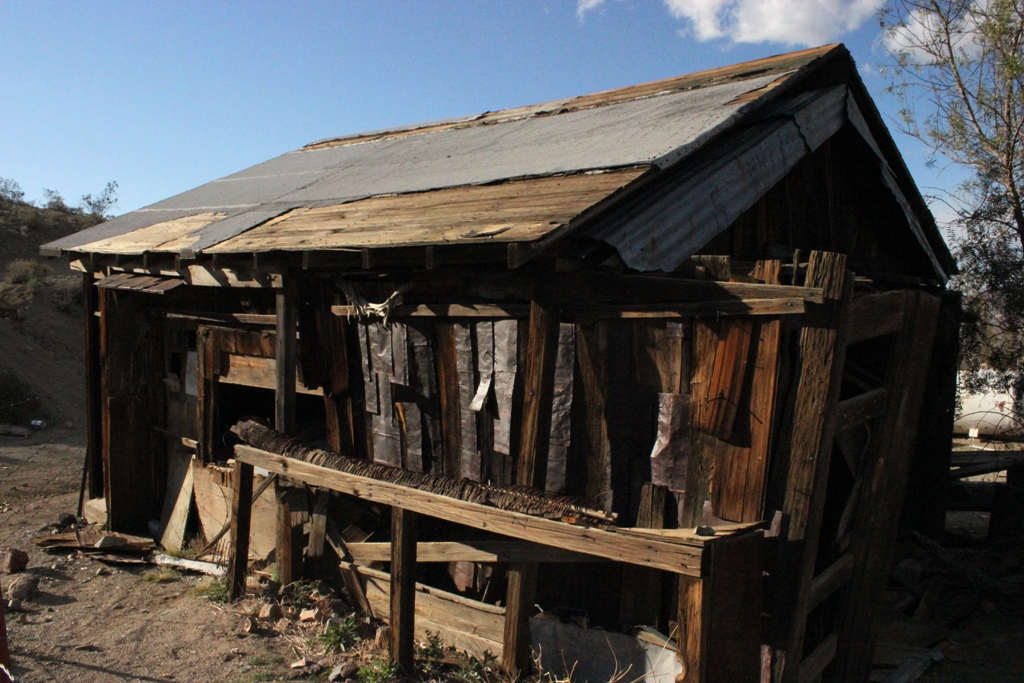
 Schmidt’s shanty.
 Re-purposed siding made from tin containers, as similarly found on the historic homes of Bodie (Seen on this blog: Bodie, California Ghost Town).
Burro Schmidt’s one-room shanty remains standing a short distance from his tunnel. It is a rare time capsule of American history largely preserved as it was some 80 years ago thanks to desert conditions and the caring stewardship of the late Evelyn “Tonie” Seger, who with her husband purchased the site in 1963. Following Mrs. Seger’s death in 2003, however, the cabin has been neglected and ravaged by vandalism.
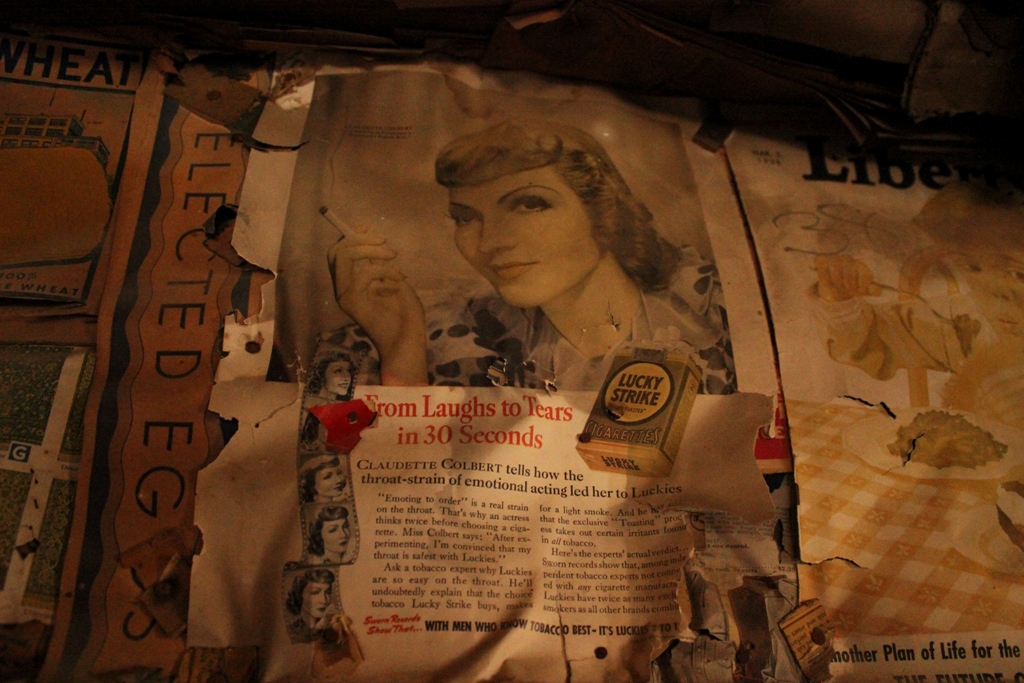
Inside Schmidt’s place is an impressive, veritable museum of Depression Era Americana in the form of newspapers, magazines, holiday cards and food cartons and labels dating from the 1920s and 1930s, which he had carefully nailed to the walls and ceiling as makeshift insulation.
Interestingly, some of the art found on these various labels tacked to the walls is the work of the West Coast printing titan of the era, the Schmidt Lithography Company of San Francisco, no apparent relation to Burro Schmidt.
“The art and business of printing in the San Francisco Bay Area are significant in the history of printing in the United States and have been an integral part of the cultural development of California.”
—A Life In Printing: An Oral History, Ruth Teiser and Lawton Kennedy (2012)
“Schmidt Lithography Co. was once the largest printing company on the West Coast.”
—The Virtual Museum of the City of San Francisco
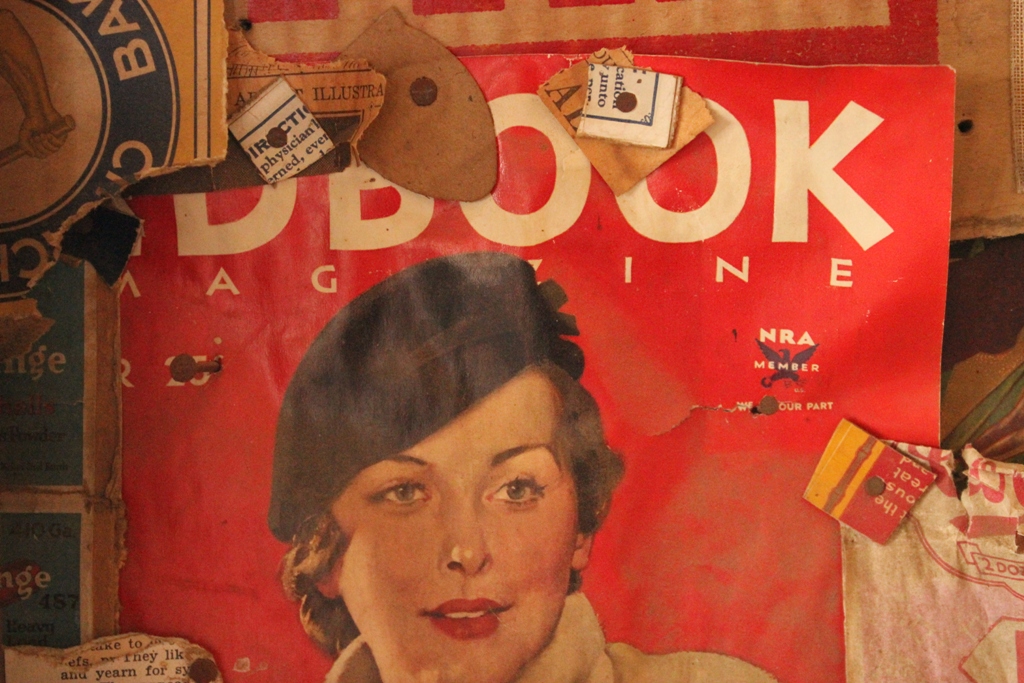
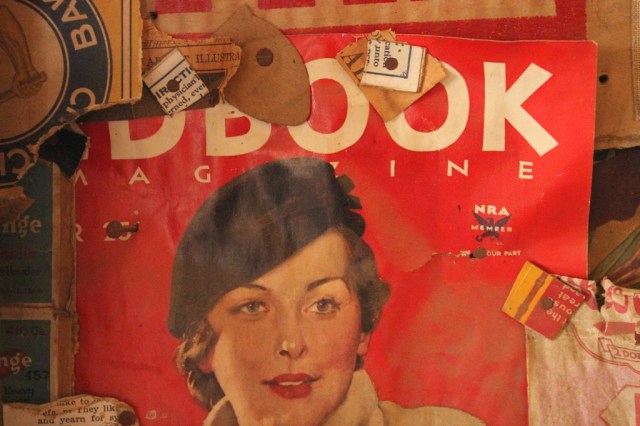 Note the National Recovery Administration (NRA) logo on this issue of Redbook magazine, which would mean the magazine dates from sometime between 1933, when the National Industrial Recovery Act was passed, and 1935, when it was, along with its ancillary policies and bureaucracies like the NRA, unanimously ruled unconstitutional by the Supreme Court.
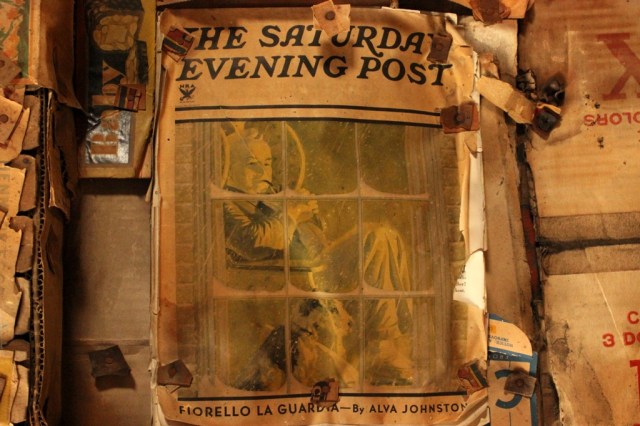 The NRA logo also notable on each of these issues of The Saturday Evening Post

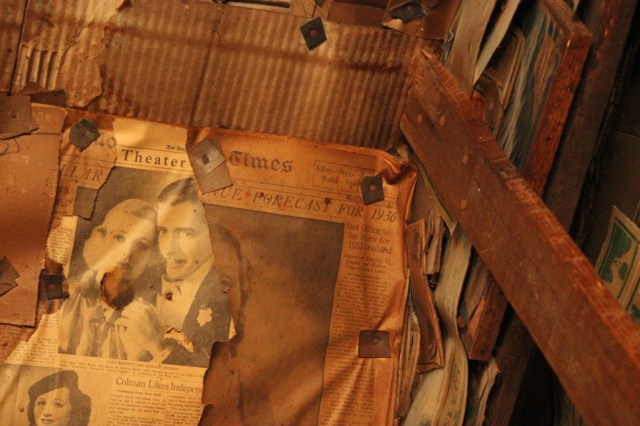 Newspaper from 1936

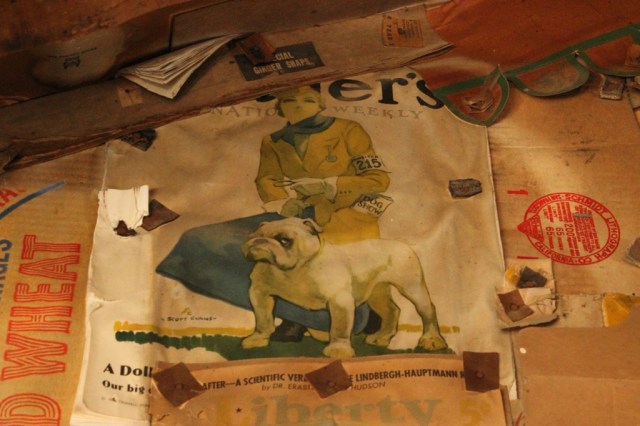
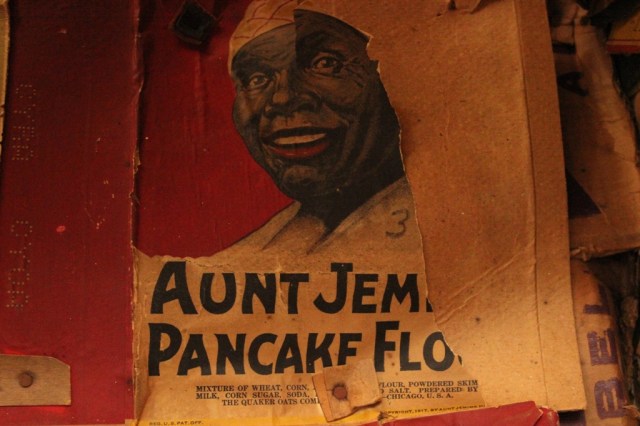


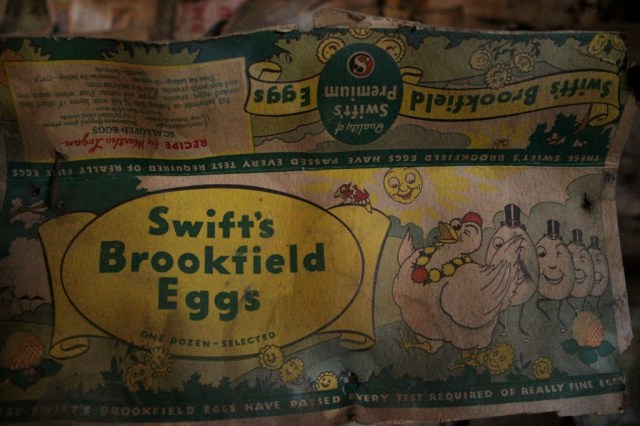
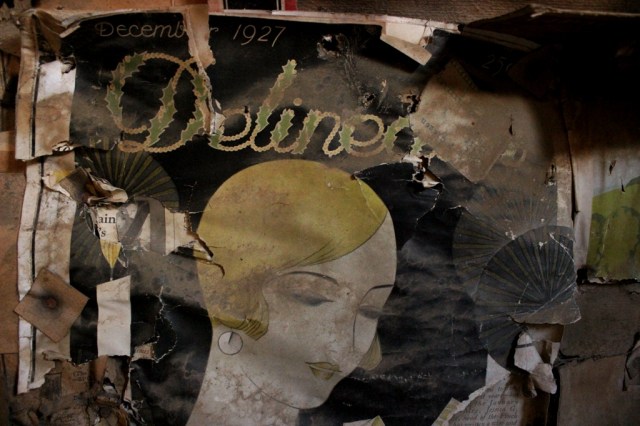

 July 18, 1931






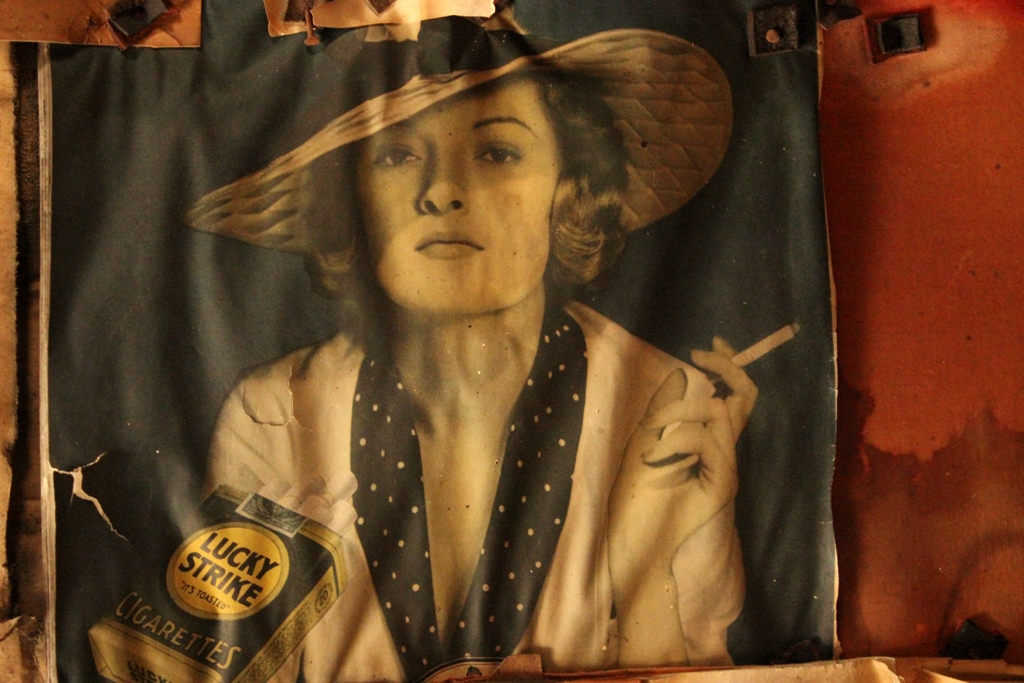
 Nothing like a Lucky straight to ease throat strain! Read the text: “Claudette Colbert tells how the throat-strain of emotional acting led her to Luckies.”
 The interior of Burro Schmidt cabin thoroughly bespeckled with years of magazine and food labels. I’d venture to bet it actually looked fairly artful in its prime for what it was.

 A California stream orchid growing beneath a large boulder beside a seep in an otherwise dry creek feeding into a seasonal tributary of the Santa Ynez River.
 A rather large orchid yet to bloom.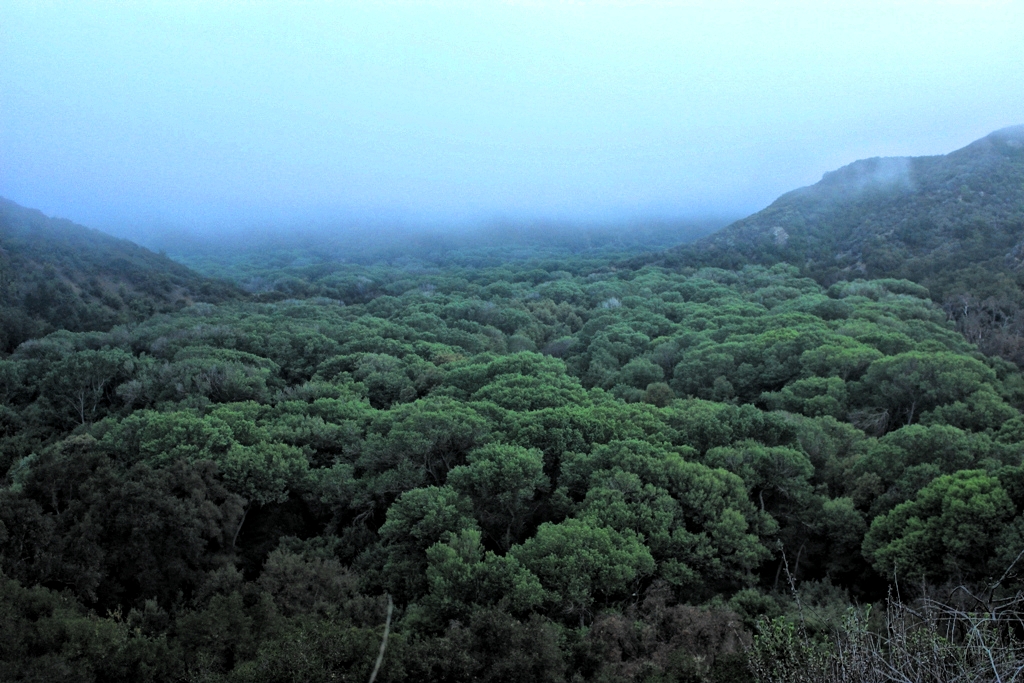
 Looking down the dry creek below the seep where the orchids grow.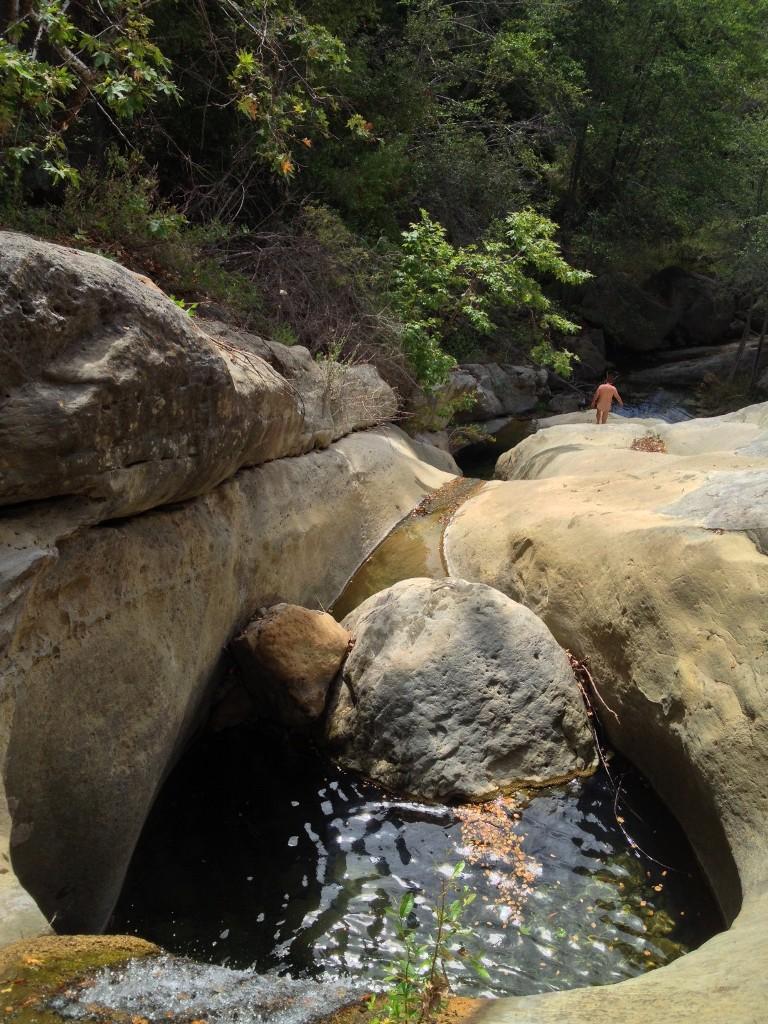































 Jack Elliott's Santa Barbara Adventure