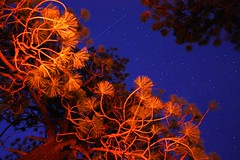
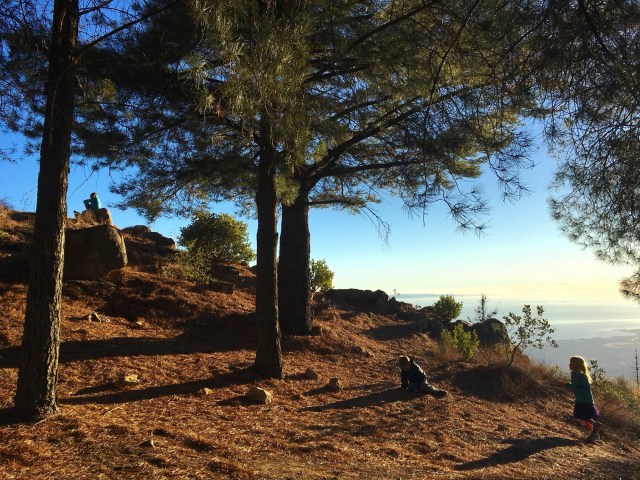
 Kiddin’ around on La Cumbre Peak, the warm apricot glow of that slanted winter light.
“And it was one of those days in the high pines when the sun and sweet breeze get into your underwear.”
—Don DeLillo, Underworld (1997)
Trial by Torrent
El Niño has continued to strengthen through summer and warnings of a super El Niño now continue into fall.
Heavy rains are expected, maybe even record amounts like we’ve never in our lives seen around here.
Governor Newsom recently declared a state of emergency.
Governor Newsom proclaims state of emergency to bolster statewide El Niño preparedness, protect California
SACRAMENTO – As a historic El Niño storm season develops, Governor Newsom is proclaiming a state of emergency today, mobilizing state resources ahead of potential winter storms and other impacts.
The emerging El Niño event is already breaking records, and forecasters expect it to continue to strengthen, potentially becoming the strongest in recorded history.
The Forest Service has a track record of forcibly prohibiting foot access into public lands when it rains and trails wash out.
What would Dick Smith think?
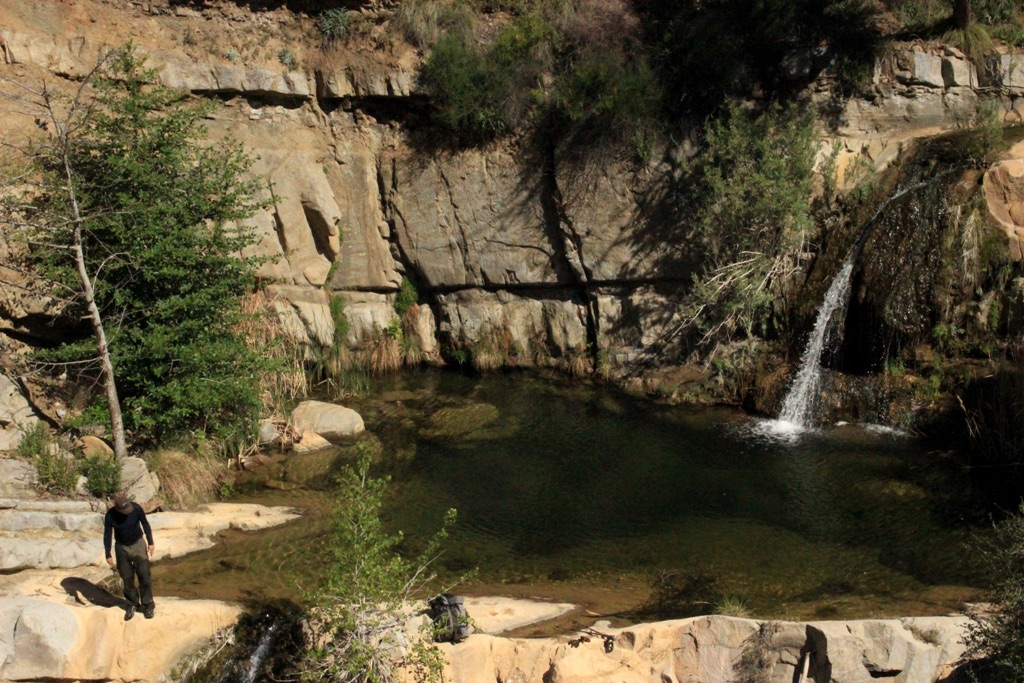 David Stillman up the creek without a trail, Dick Smith Wilderness.
The Ranger
And with dust in throat I crave
Only knowledge will I save
To the game you stay a slaveRover, wanderer
Nomad, vagabond
Call me what you will—Metallica, Wherever I Roam
Stillman never let lack of a maintained trail stop him from hiking the public lands. He couldn’t care less about a footpath or if it washed out.
He is not alone in this sentiment, and that’s why we mention him. This is not uncommon practice among many hearty and stoic Americans, including senior citizens.
If a broken trail was to stand between the man and the forest, then the trail be damned.
Take a looksee at his weblog:
Stillman: Devil’s Heart Peak via New Route: Coronary Couloir, Class III
Often times, the less trace of trail to be found, the more attractive and better the hike.
Sweat, blood and blisters, dues paid.
To the game he stayed a slave.
“You got the sickness, too, huh?” he once quipped out afield together when on a 22-mile day hike up, over and down Pine Mountain in Ventura.
He was speaking to that insatiable throbbing compulsion deep inside that drives men forth for no discernible reason, as Mallory once explained.
Alpine starts at 2 or 3 in the morning and hiking hours in the dark by headlamp before sunrise and after sunset are not uncommon.
A steadfast insistence on deep immersion in the visceral thick of the bush.
Some people take bigger bites out of the apple than others.
Some people prefer the road less traveled or no road at all.
Some people are not risk-averse.
Maybe it’s better to allow it, because the Forest Service cannot possibly stop it.
Perhaps public servants would do better to work with the people whose land it is and whom demand to be there, rather than working against them, and telling them to leave.
I think Dick Smith in his heart would have identified with this sort of passion, surely.
I have no doubts, but I’ll allow that maybe I’m wrong.
And the Earth becomes my throne
I adapt to the unknown
Under wandering stars I’ve grown
By myself but not alone
I ask no one
And my ties are severed clean
The less I have, the more I gain
Off the beaten path I reign—Metallica
Somewhere Danny Hillman is complaining about toxic masculinity.
Dick Smith On Access
“Despite his many positive attributes, Dick Smith is described as being rather stubborn in his beliefs and controversial in his actions.
He was known for intentionally removing private fences so that the public could have trail access.”
—Bryan Conant, Matilija and Dick Smith Wilderness map (2013)
“All right, maybe he was something of a crank — he’d be the first to admit it.”
—T.C. Boyle, A Friend of the Earth (2000)
We respect and admire the steadfast man of conviction who sticks to principle in the clutch, whether we agree with him or not.
To be controversial is to be consequential. To be consequential is to matter.
Sometimes decorum serves as a bulwark others hide behind.
Sometimes the flame of righteous dissent is dampened by the strictures of social etiquette.
As Laurel Thatcher Ulrich observed in 1976, “Well-behaved women seldom make history.”
They named a wilderness after Smith. He must have been doing something right, and not much wrong.
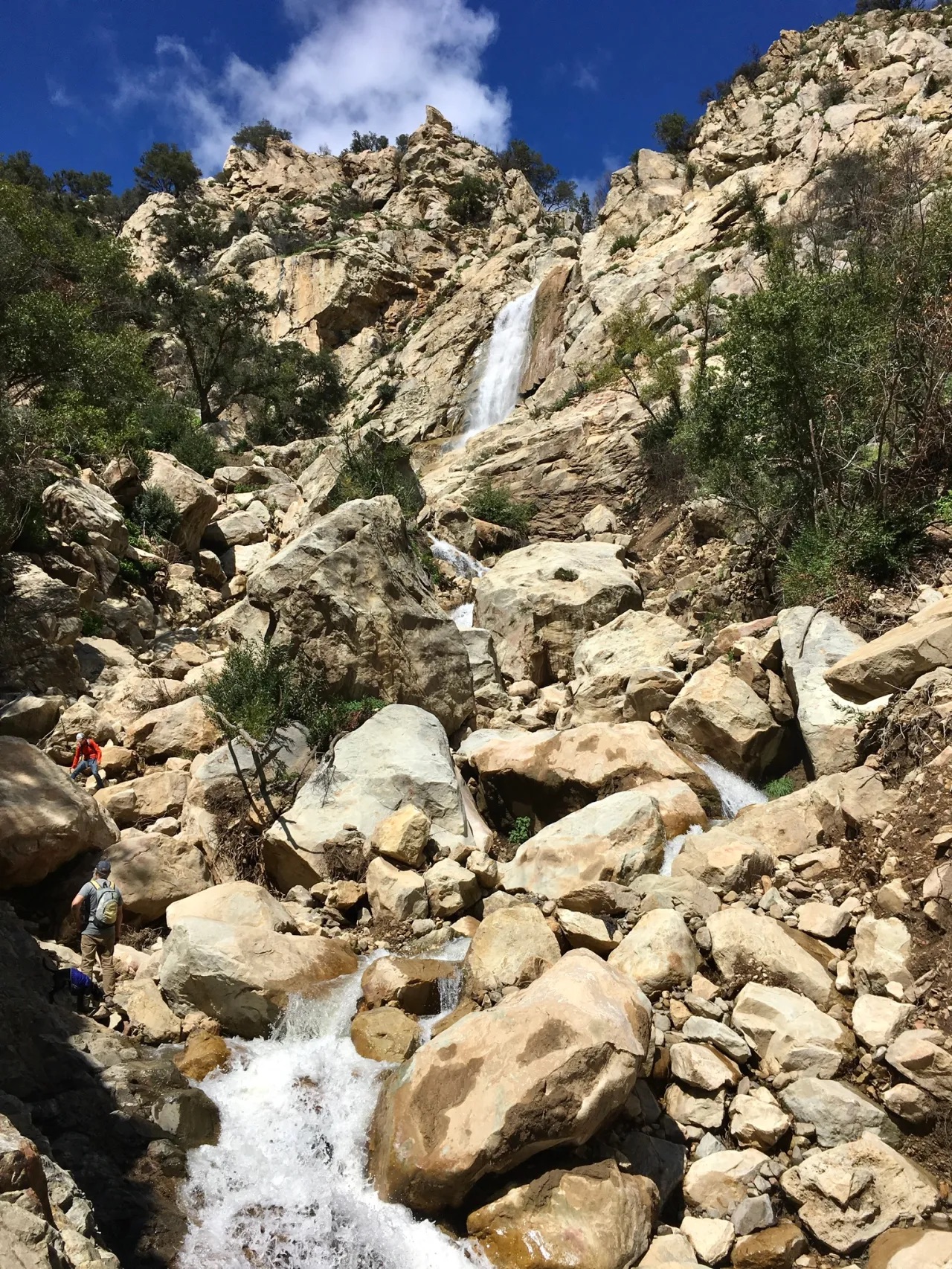 Clint Elliott, Jack’s father, aged 67 scrambling up Cold Springs Creek, just below Tangerine Falls, after the Montecito Debris Flow (2020) with Carlos Andrés Neda García.
“That night it rained. But this was no ordinary shower or even a downpour, this was an El Niño event, evil harbinger of the apocalyptic weather to come, . . .”
—T. C. Boyle, A Friend of the Earth (2000)
Simple Questions
If a trail need not be necessary to hike through the forest, then why does it matter if it washes out?
Hiking a boulder-chute of a creek like upper Cold Springs in the Santa Ynez Mountains is not illegal.
If it is not illegal to walk the public lands without a trail on any other given day, then on what reasonable basis can it honestly be deemed illegal to hike when a trail simply washes out after a rainstorm?
We believe these sorts of forest closures are unconstitutional.
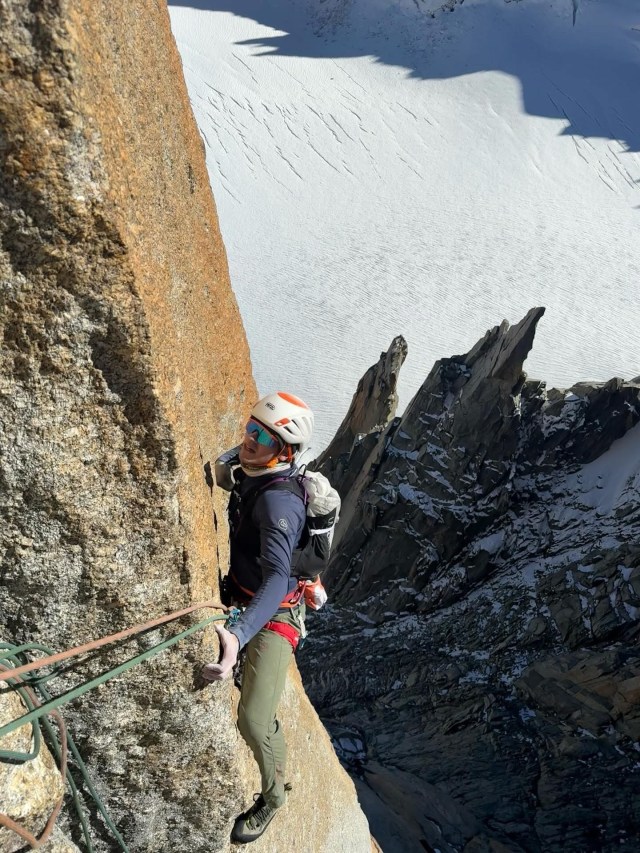 Carlos Andrés Neda García, Grand Capucin, Mont Blanc, France
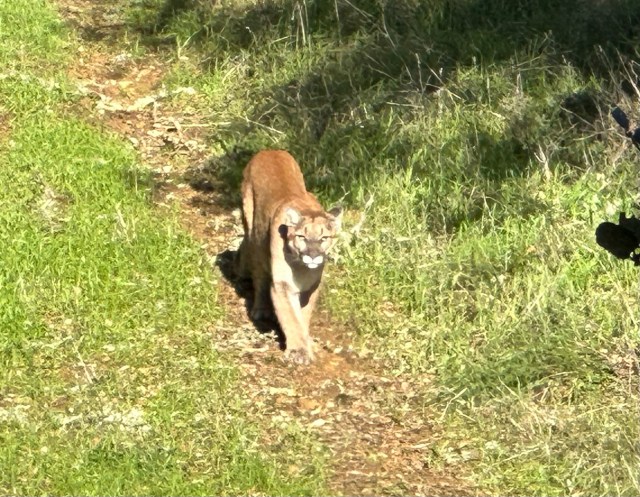 Jack’s lion standoff in the Santa Ynez Mountains. (video)
“Finally I asked Dick point blank, ‘What do I do if you drop dead while we are out here in the middle of nowhere?’
‘Just leave me,’ he replied.”
—Jan Hamber, as quoted by Ray Ford, Dick Smith was Conscience of Santa Barbara Backcountry, Noozhawk.com
The Nature of Nature
To Smith rugged wildlands were inviting.
You know, that hackneyed quote about the mountains calling and the man must go.
The mountain’s strenuous challenges were a grownup-kid-kind-of-fun. Like Muir in a tree in a wind storm.
The possibility of getting hurt was never held up as a good reason not to go.
Are you kidding me?
Smith accepted the inherent risk in nature, no matter the consequence.
The nature of nature is dynamic and dangerous.
That’s the way we like it, ese.
“Life’s a risk, carnal.”
—Paco Aguilar, Blood In Blood Out
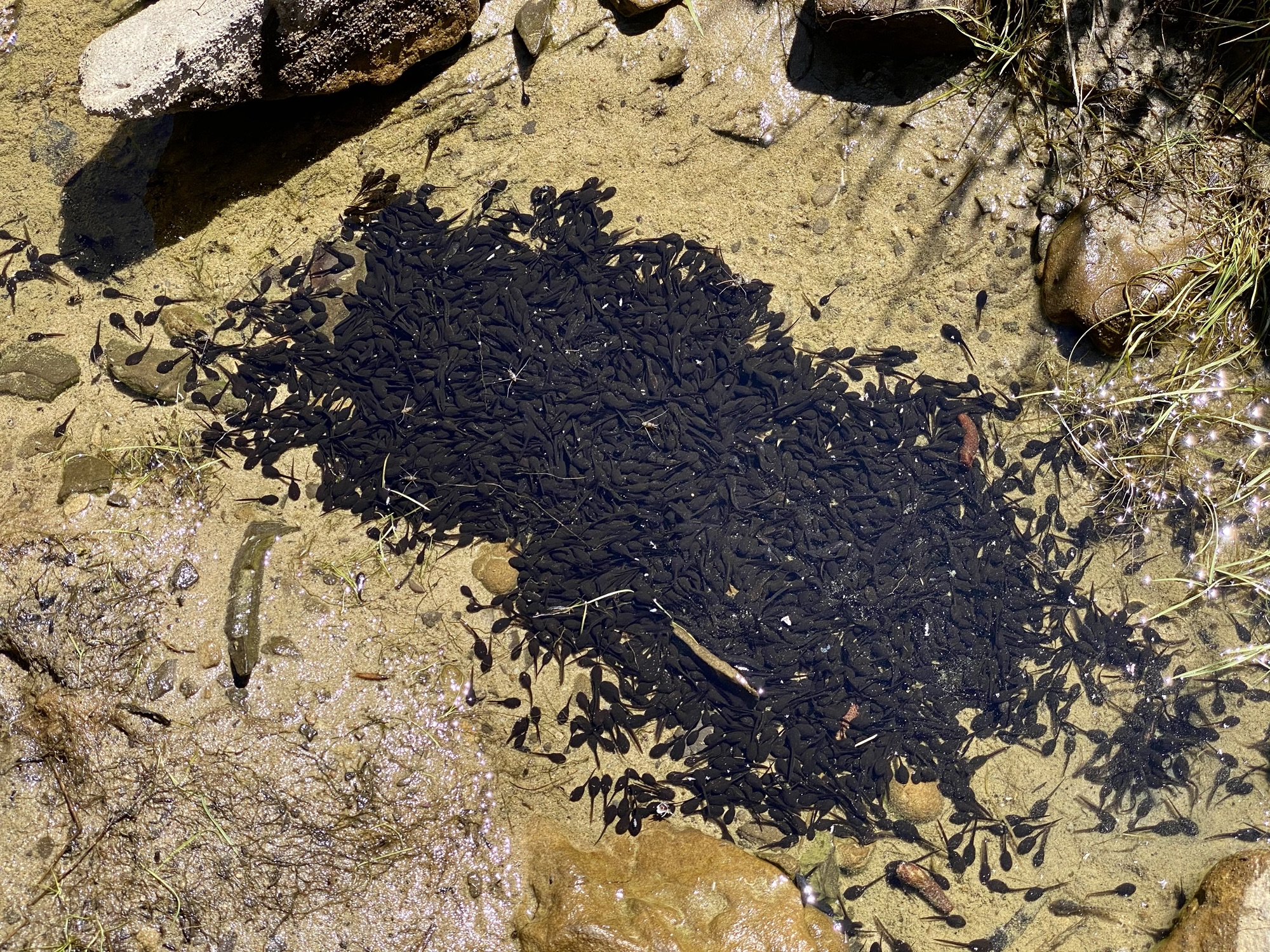 A scrum of tadpoles in a metamorphic growth race against the sun and evaporation.
Ford on Smith
Ray Ford once authored a piece about Dick Smith in which Ford described sitting on the mountain’s crest behind Santa Barbara, gazing into the backcountry riprap of the Coastal Ranges, his spirits buoyed by how “the land reaches out like a promise.”
“This was Dick Smith’s kind of country,” Ford wrote. “To him it was not forbidding, . . .”
Ford wrote admiringly of how Smith found in that harsh land “a heightening of one’s own senses in the face of wilderness challenges.”
Ford once sung the praises of a rugged individualist in Smith whom grinned in the face of hardship and discomfort, eyes sparkling with electric life.
That is the essence of adventure, for which some people live, and for which some might rather risk injury or death rather than go without.
Why not let them go?
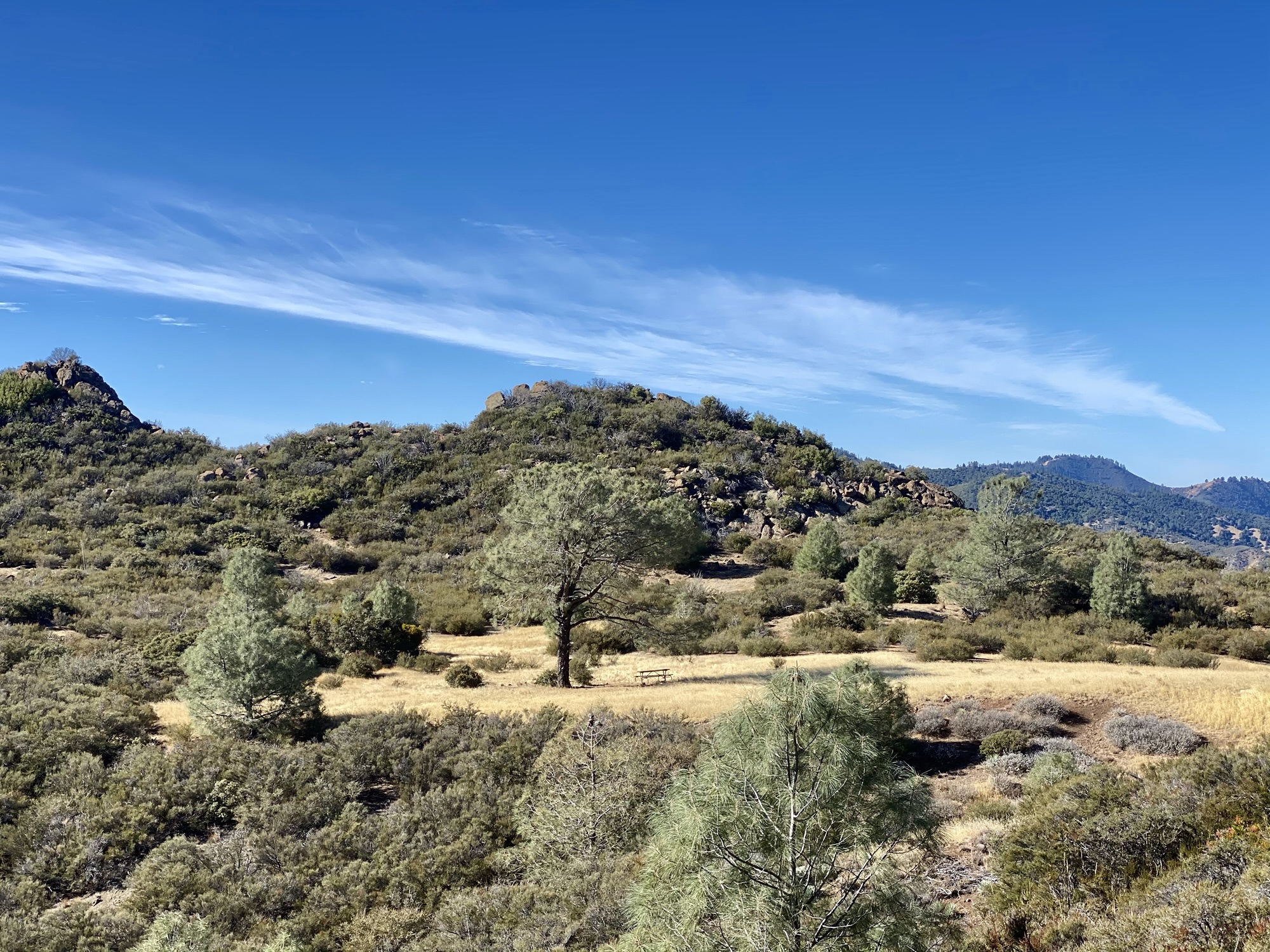 A place mentioned in some of Dick Smith’s writings.
Keeping Tabs
“Dick knew politics but left political reporting to the newsroom.
When he did write, it was about the sea, the shore and the mountains.
That meant careful investigative reporting on the U.S. Forest Service.
He had contacts there and loved to expose the gamesmanship that went on to the detriment of the public.”
—Barney Brantingham
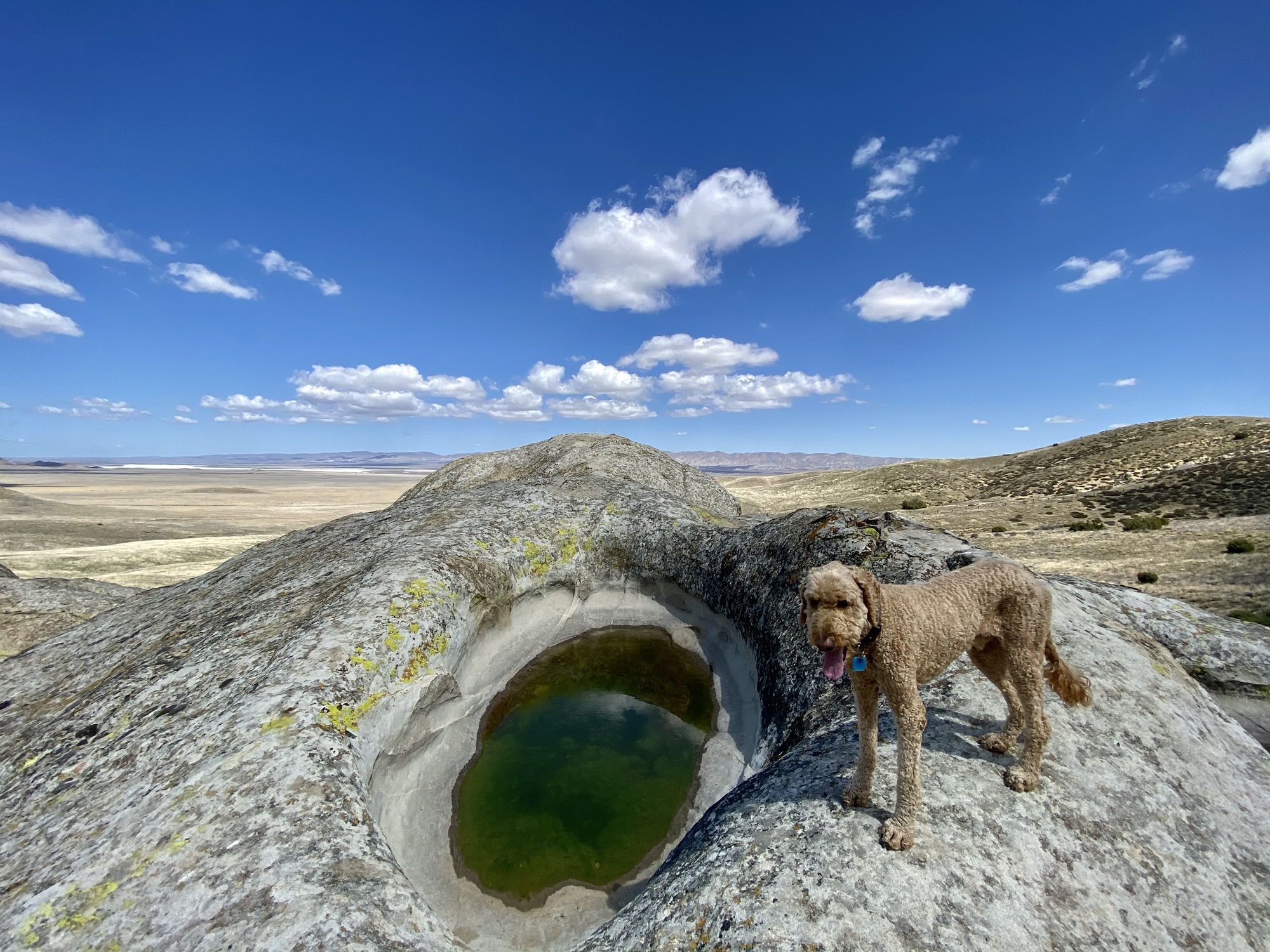 Ded Ted
Middle of Nowhere
Ford quotes the late Barney Brantingham, a local journalist and co-worker of Smith’s, telling a story about a strenuous, if not brutal, backcountry hike led by Smith.
Guess what? There was no trail.
But it was even better than that. It was a bloody bushwhack.
“We ended up hiking half the night, off-trail, up some brush-choked, god-forbidding side canyon.
Dick had no idea where we were, but he didn’t let me know it. Instead, he’d just keep urging me on a little further, getting my imagination worked up about what might be around the next bend.
Before we knew it we were not only hopelessly lost, but too far from anything we could call camp to bed down before dark, so we stopped right there, out in the middle of nowhere, which was exactly where Dick seemed to want to be anyway.
Dick loved it. You could see it in his eyes and the things he said.
You knew there wasn’t anyplace he’d rather be right then, despite the aching muscles, the scratched arms and legs, and the intense thirst.”
—Barney Brantingham, as quote by Ray Ford, Noozhawk
Readers may note that that now is two different people in the same single article that referenced Smith in his element in the “middle of nowhere.”
The general populace may not know just how very inviting “some brush-choked, god-forbidding side canyon” can be to some people.
Ford further elaborates about Smith’s extensive backcountry explorations, many of which were physically trying and made without well-maintained trails, if any path at all whatever.
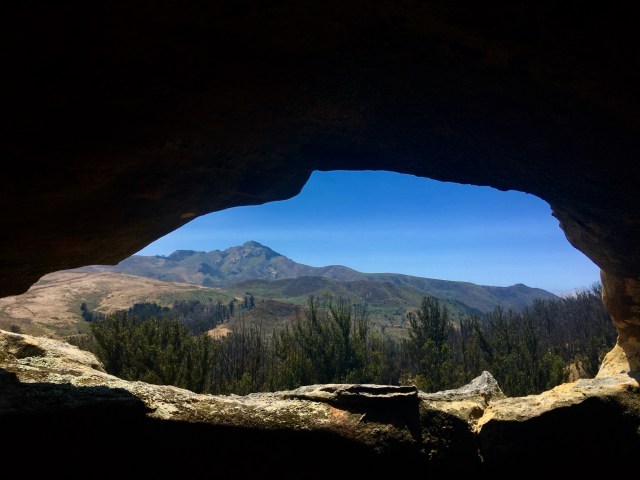
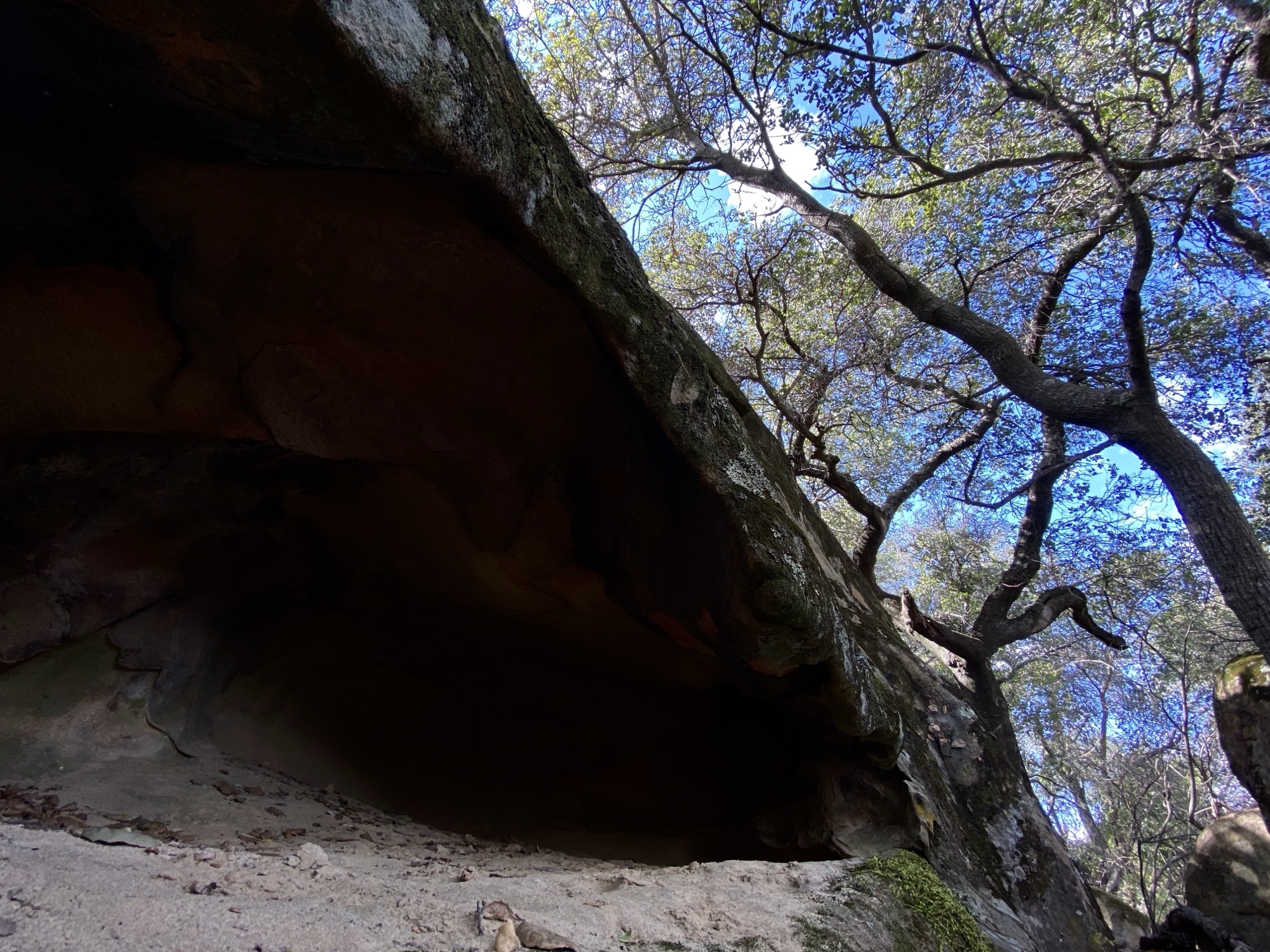 An outcrop known as the Dick Smith Caves. There is no trail leading there. Somehow, he made it, and back even.
More Bullmoose, Less Titmouse
We look to history as a frame of reference, to provide context within which to better understand where we are, by knowing where we’ve been, and for guidance on where we’re headed and where we might should go.
Smith stands as a blazing beacon lighting the way.
What he would have thought or said we can only now guess.
But what we do know for sure is that Smith did not shrink from the harshness of the Santa Barbara backcountry because it could be dangerous or even kill him.
He met life out there head on.
“Just leave me,” he replied.
I take that comment as a serious answer stated flatly with a straight face, not said in jest with a grin.
Sounds Ed Abbey-ish. They buried Ed hidden out in the desert somewhere in an illicit grave.
They spread Dick’s ashes in the local backcountry across the top of the Sierra Madre Mountains.
Doubtless neither man liked a forest closure because it rained, a trail washed out here and a tree fell there.
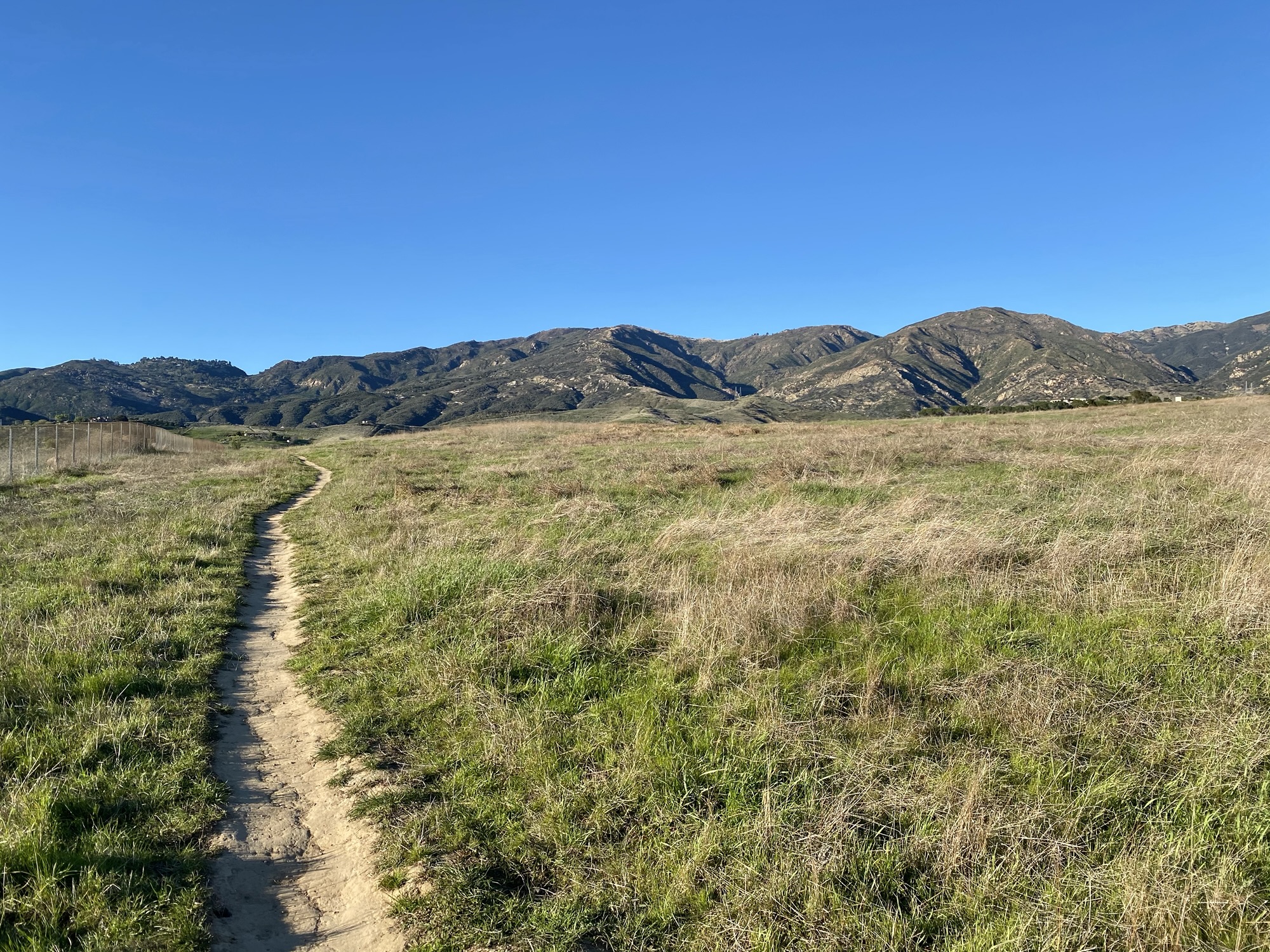
Life Outside
“Dad was not so much Dick Smith to me, but Dad — the man who showed me how to do so many things: the Dad who had me pulling nails and straightening them at age six; the Dad that let me use all of his tools, both hand and power, when I was eight; the Dad who let me sail out of Santa Barbara Harbor by myself as a ten-year-old.”
—Joel Smith, California Nature Art Museum: Dick Smith and His Backcountry Wilderness
Do you think dad would have allowed son a hike in yonder wood?
Or would he have said it was too dangerous, stay out?
What would Dick Smith think?
Related Posts:
Dick Smith Calling a Condor, Piru (1970)
When the Rains Fall, Will USFS Close Our Forest: The Coming El Niño
Language of Forest Closure: Assault on an Ancient Right
Hiking is Not a Crime, Let Forest Be Thy Medicine
Hiking is Not a Crime; Bull Moose and Titmouse