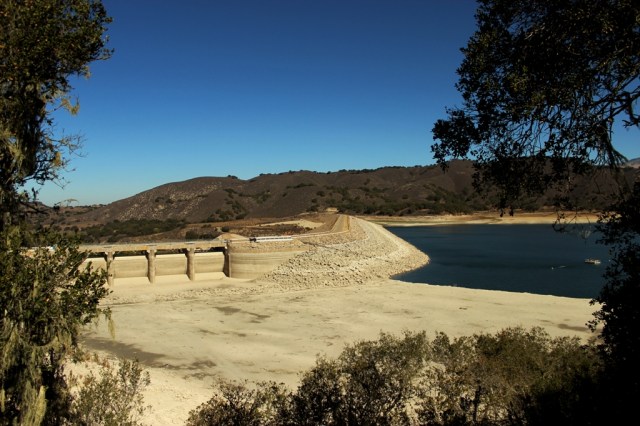
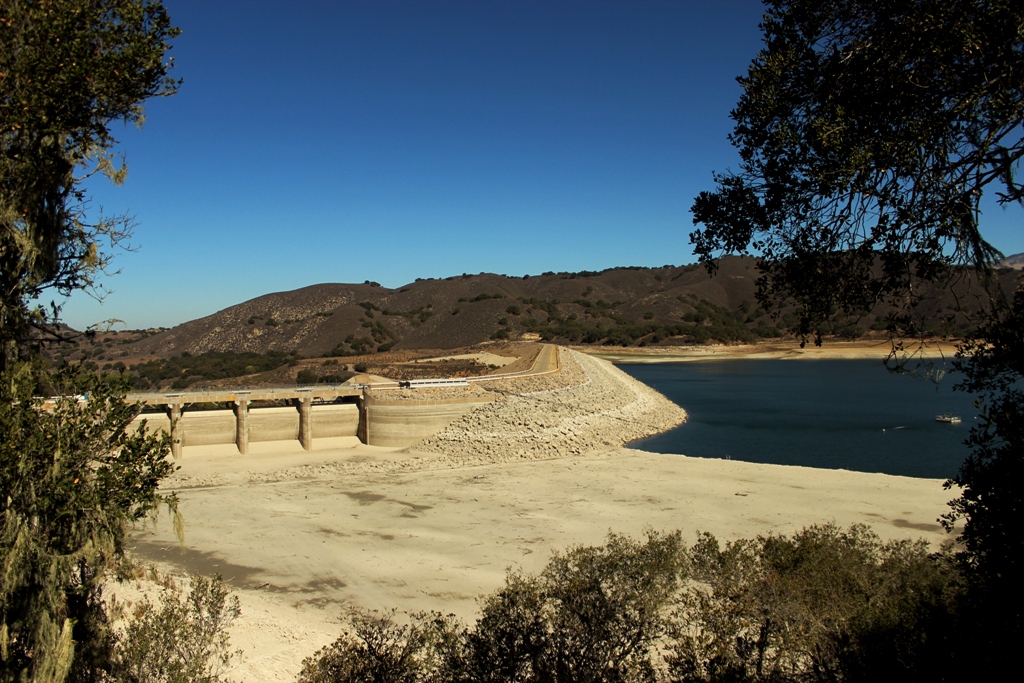
 Cachuma Lake at Bradbury Dam, September 2013. The reservoir is well below the floodgates and currently less than half full.
It seldom rains in Santa Barbara. “Probably the most striking feature of Santa Barbara County,” a story published in the Los Angeles Herald in 1897 notes, “is absence of rain during most of the year.” The lack of rain has been particularly acute the last two years.
Santa Barbara county-wide precipitation last season measured in at 46 percent of normal marking the second consecutive water year of below normal rainfall. The lack of precipitation at Gibraltar Dam set a record low beating out the previous record set in the 2006-07 water year, which is measured September 1 to August 31. Current capacity at Gibraltar Reservoir is a measly seven percent.
Yet, as Santa Barbara County Water Agency manager, Matt Naftaly, noted earlier this year of the current dryness, “this is a normal fluctuation.” It may not rain often, but when it does sometimes it really does! Despite the current droughty conditions, over the last fourteen seasons the county-wide rainfall total amounts to about 95 percent of normal for the period.
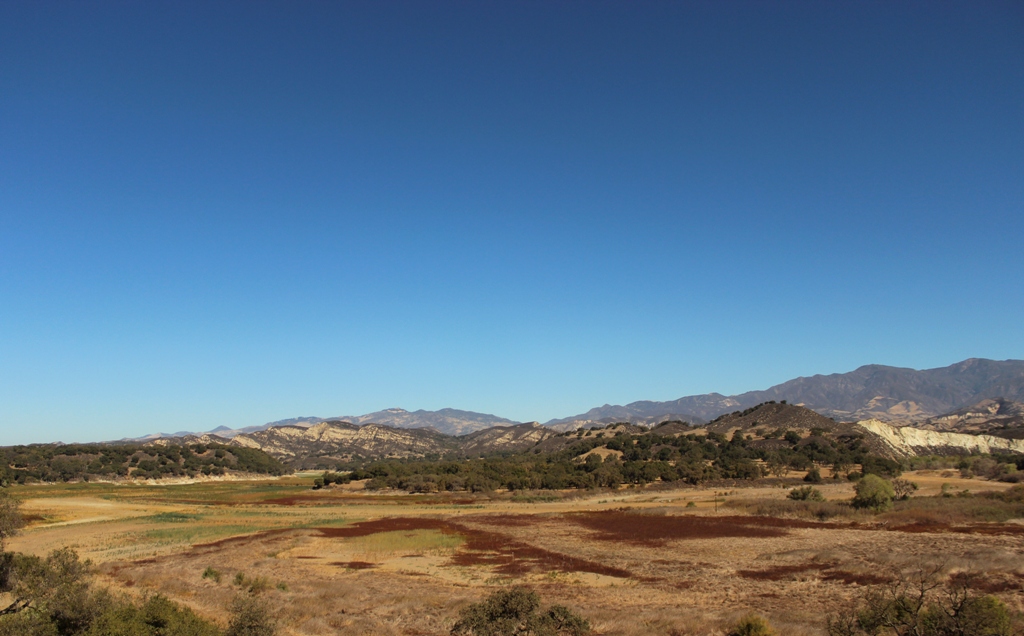
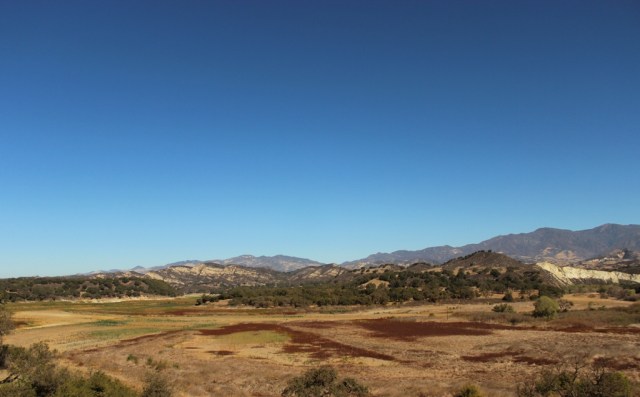 The east end of Cachuma Lake is currently dry.
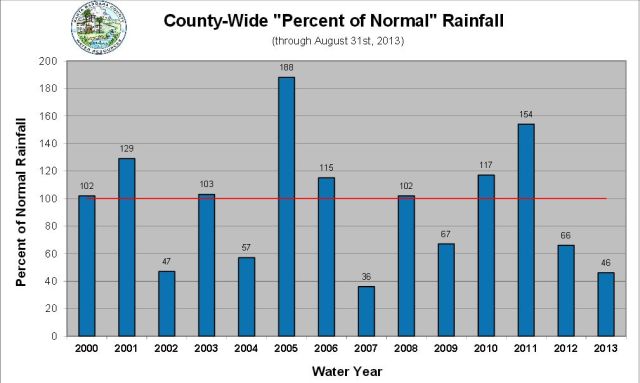 Santa Barbara county-wide rainfall totals showing the wild fluctuations from year to year. (County of Santa Barbara)
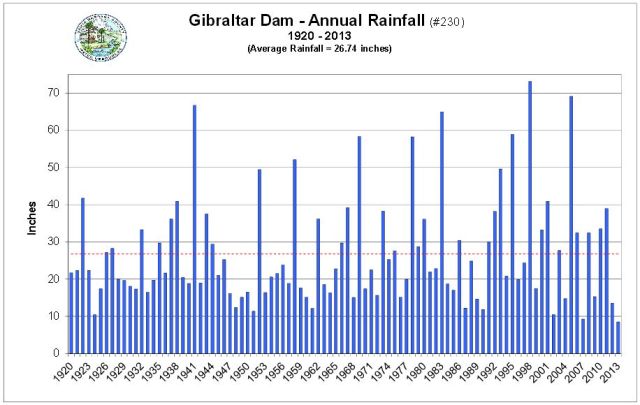 Gibraltar Dam rainfall history showing 2013’s record low. (County of Santa Barbara)
The pioneers of the Sisquoc River, a watershed in the Santa Barbara County backcountry, were driven out of the area in large part due to the hardship caused from the cycle of deluge and drought characteristic of the region.
“The environment was a big factor in the community’s inability to survive,” Blakley and Barnette write of early Sisquoc residents in their book, “Historical Overview of Los Padres National Forest” (1985). “Years of heavy rain and flood were followed by dry years.”
Newspaper articles from the nineteenth and twentieth centuries chronicle the dramatic ebb and flow of precipitation through the years.
San Francisco Call, January 28, 1904: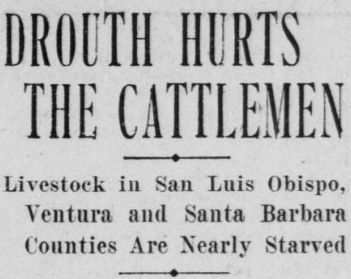 Arizona Republican, March 08, 1911: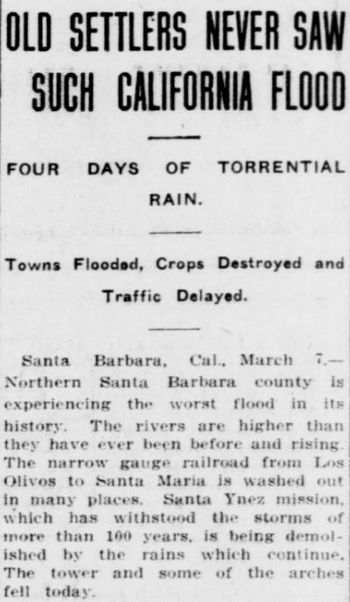
 About 150 years ago, a severe drought reshaped the socioeconomic landscape of Santa Barbara County ending forever the era of large cattle ranches, and helping usher in a new period of smaller landowners and development.
The Great Drouth
The returning [Civil War] soldiers found in Santa Barbara and in the other cow counties of the south a problem of rehabilitation more serious perhaps than Southern California was ever again to know. The stark, hot hand of drouth had, during their service in 1864, swept over the Southland, destroying the herds and bringing to a tragic close the pastoral life of old California.
Three successive dry seasons had left the land so parched that the grass did not come forth in the spring and around the faint green of disappearing water holes and ciénagas the starving cattle congregated literally by thousands, only to perish of starvation. Everywhere the plains were strewn with the fallen creatures and their bleaching bones. Prosperity seemed to have disappeared forever. …
Over two hundred thousand cattle had measured the wealth of Santa Barbara in 1863. Less than five thousand head were alive to munch at the grass that sprouted after the rains came in the winter of the following year.
The day of the native California land barons was brought to a close. The entire economic life of Southern California was altered. Cattle raising as the distinctive industry of the Southland was ended forever, and range lands fell so low in value that some of the southern counties assessed them at 10 cents an acre. It meant the beginning of partition of the great ranchos.
In Santa Barbara as elsewhere in the former cow counties, the land was opened for the first time for small farms and the march of industry which began after 1869, when the combined lure of cheap lands and easy travel over the new trans-continental railroad started the second tide of immigration to California.”
—Santa Barbara, Tierra Adorada: A Community History (1930)
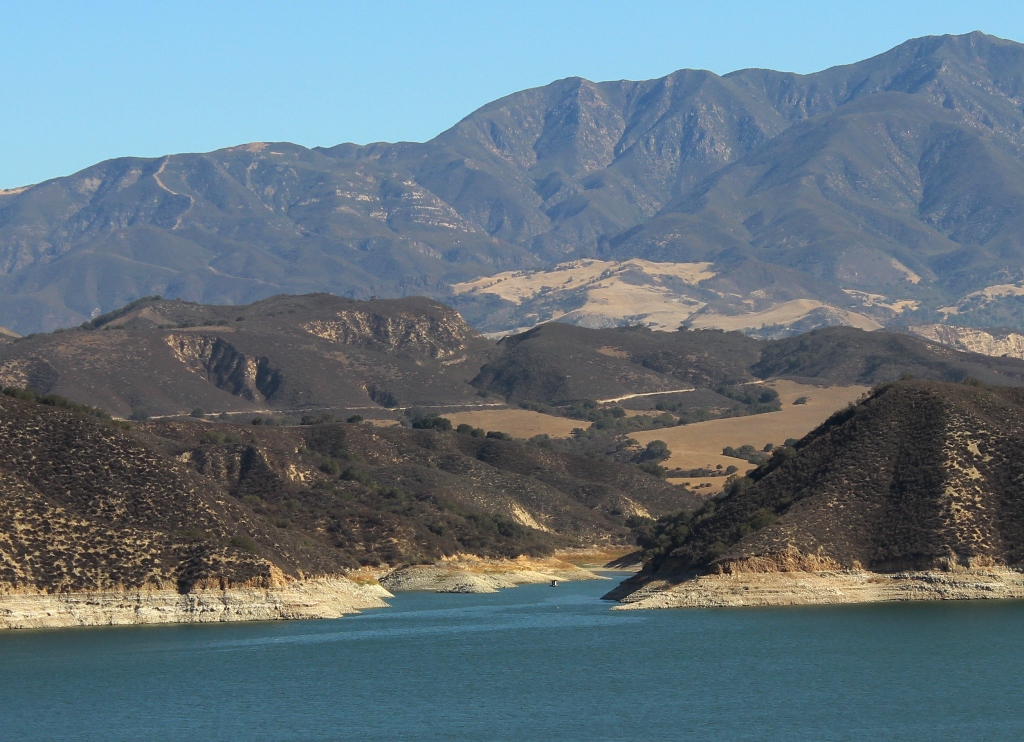
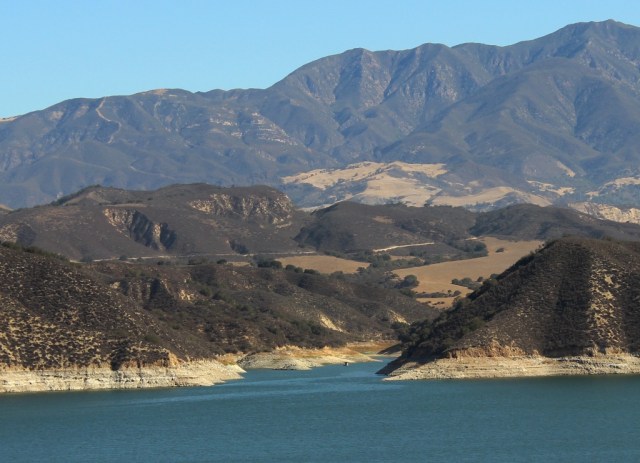 The full capacity waterline is high and dry at Cachuma Lake.
Growing up in Santa Barbara I had the drought conscious water saving mantra, “If it’s yellow let it mellow, if it’s brown flush it down,” burned into my brain as a boy. People use to, and some still do, paint their lawns green or replace them with artificial turf. The other side of the climatic coin included the torrential rains of El Nino years, the flooding, mudslides, road washouts, and big surf and deep snow.
The yo-yo back and forth between the extremes of deluge and drought can leave the Los Padres National Forest lush one season and desiccated the next. Some years it’s possible to hike deep into the hinterlands throughout summer with little concern about hydration, as streams and springs flow. Other years lack of water severely limits hiking options for all but the most hardy and determined trekkers.
Heading into the new water year, with the last two seasons of below normal precipitation and resulting current drought conditions, much may hinge on what does or does not fall from the clouds this winter.

 Morning fog along lower Figueroa Mountain Road.

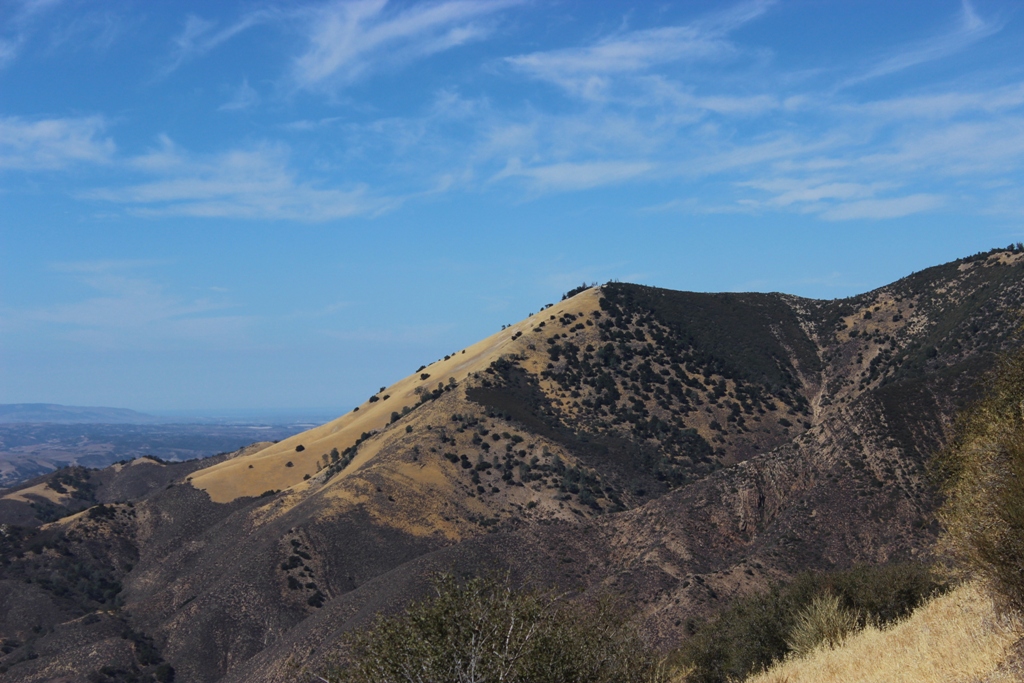 Grass Mountain as seen from La Jolla Trail.
 Grass Mountain and the ridge leading to Zaca Peak.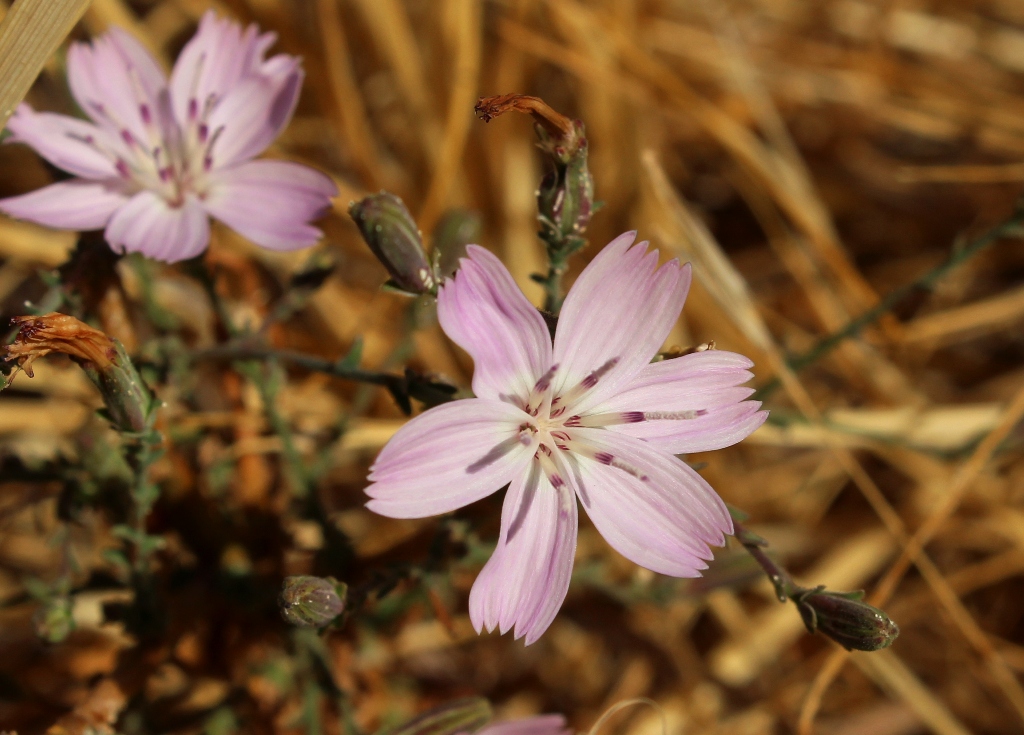
 Tarantula sunning on the trail.
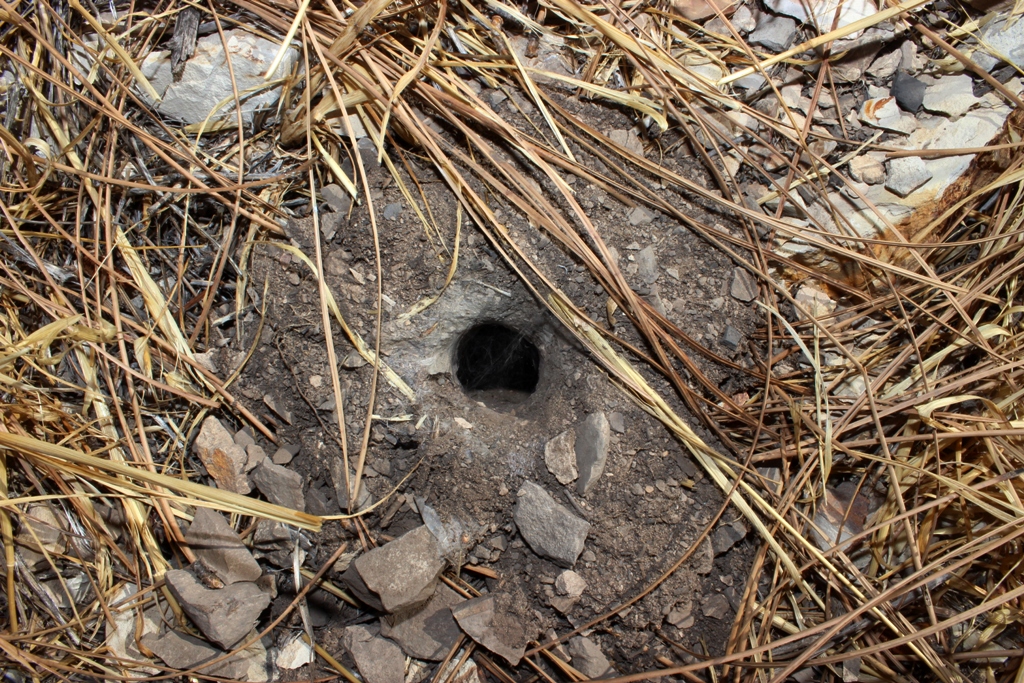 Tarantula burrow.
 Grass Mountain with Zaca Peak barely visible behind it to the right.
 The lone oak before the wall of Grass Mountain.
 Up.
Up.
 A thin finger of maritime fog from the Pacific still lingering far up the Santa Ynez Valley, the marine layer looming over the Santa Ynez Mountains in the distance.
 Trail leading off the top of Grass Mountain looking over Santa Ynez Valley.
 Looking down the face of Grass Mountain.
 Grass Mountain summit.
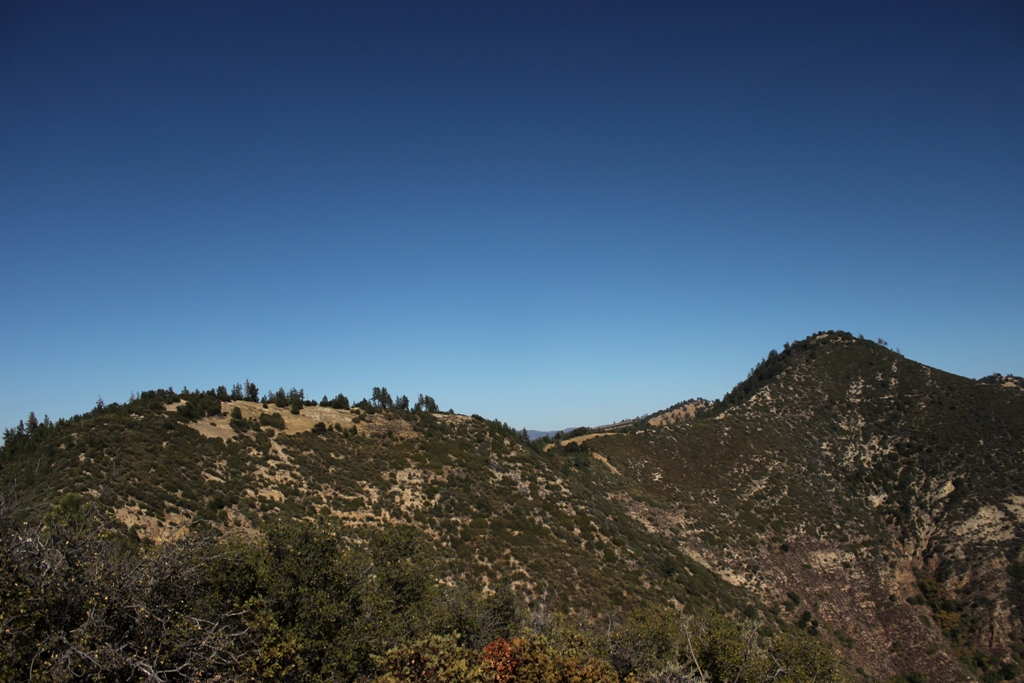 Zaca Ridge and Peak seen from atop Grass Mountain.
 Trail along top of Zaca Ridge.
 Zaca Peak
 The view from Zaca Peak summit looking over Grass Mountain and the Santa Ynez Valley toward the Pacific Ocean.
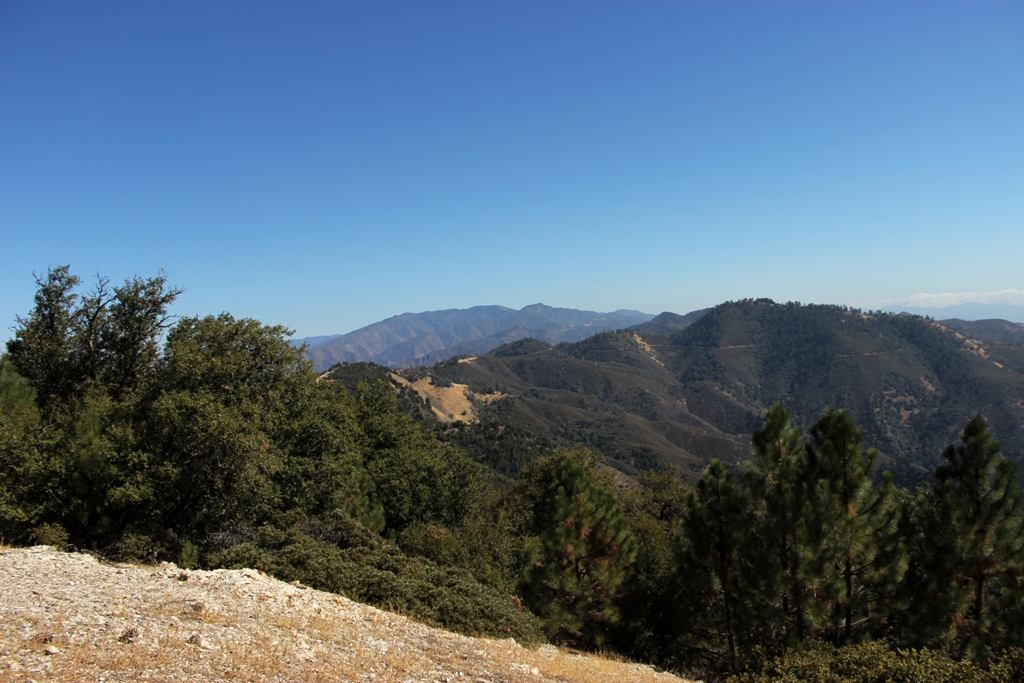 Looking east from Zaca Peak.





















 Jack Elliott's Santa Barbara Adventure