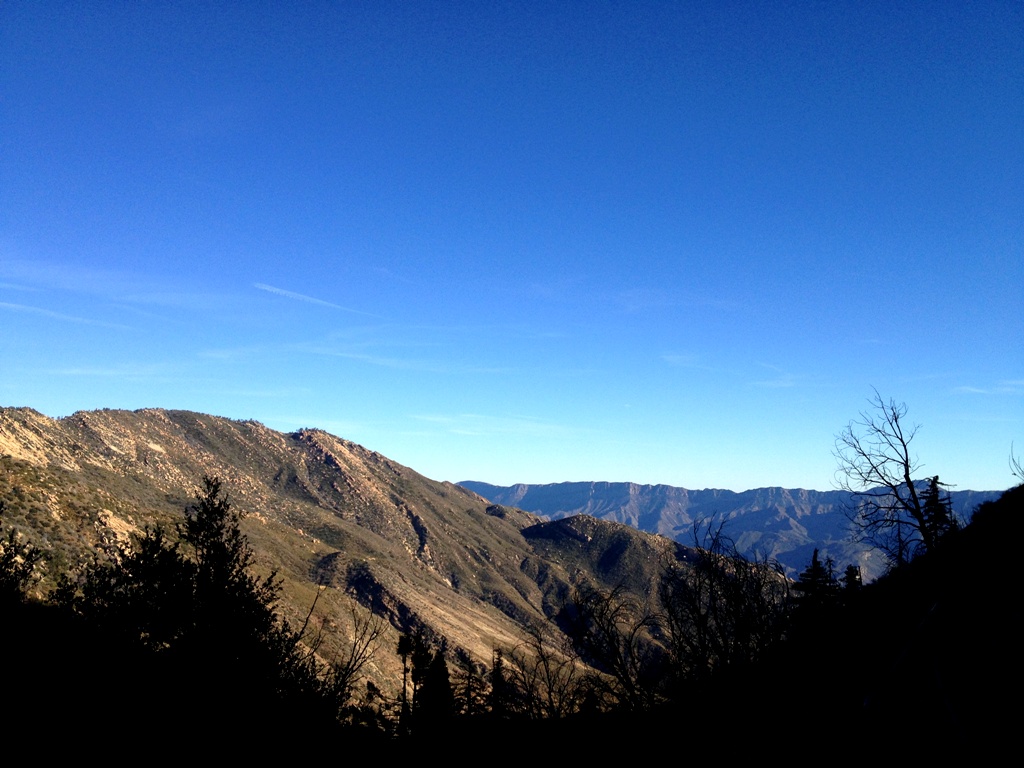
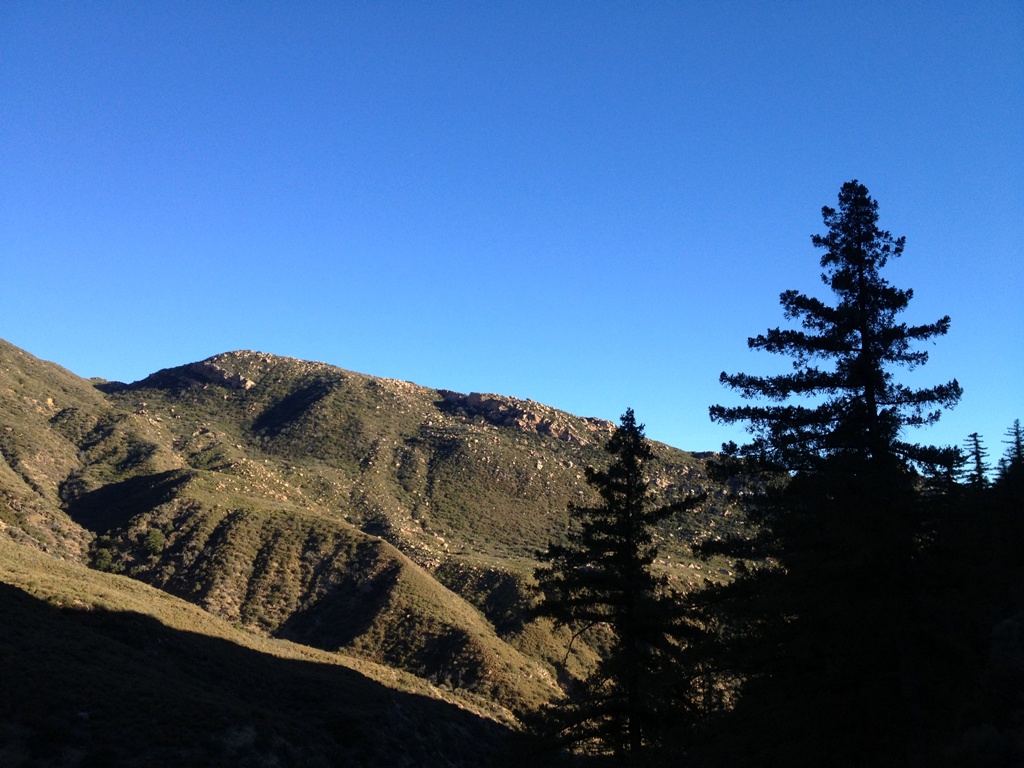
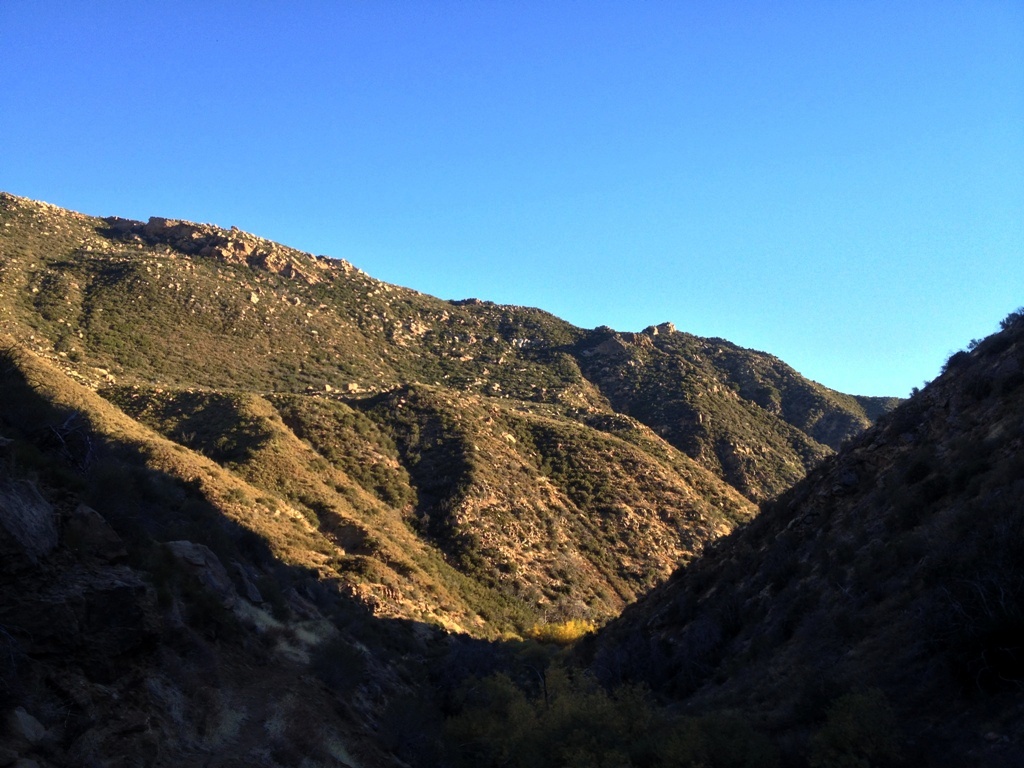
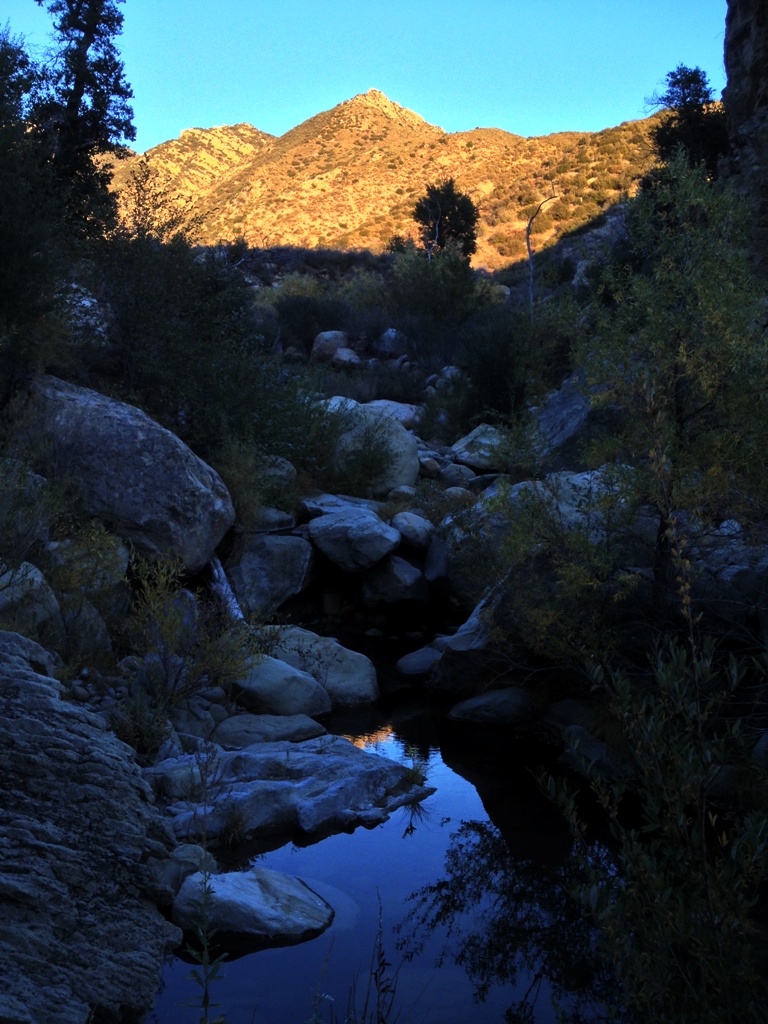
Finding Frontier in the Forest Conquered

“Superficially, the world has become small and known. Poor little globe of earth, the tourists trot round you as easily as they trot round the Bois or round Central Park. There is no mystery left, we’ve been there, we’ve seen it, we know all about it. We’ve done the globe and the globe is done. …

As a matter of fact, our great-grandfathers, who never went anywhere, in actuality had more experience of the world than we have, who have seen everything.”

—D. H. Lawrence (1928) 

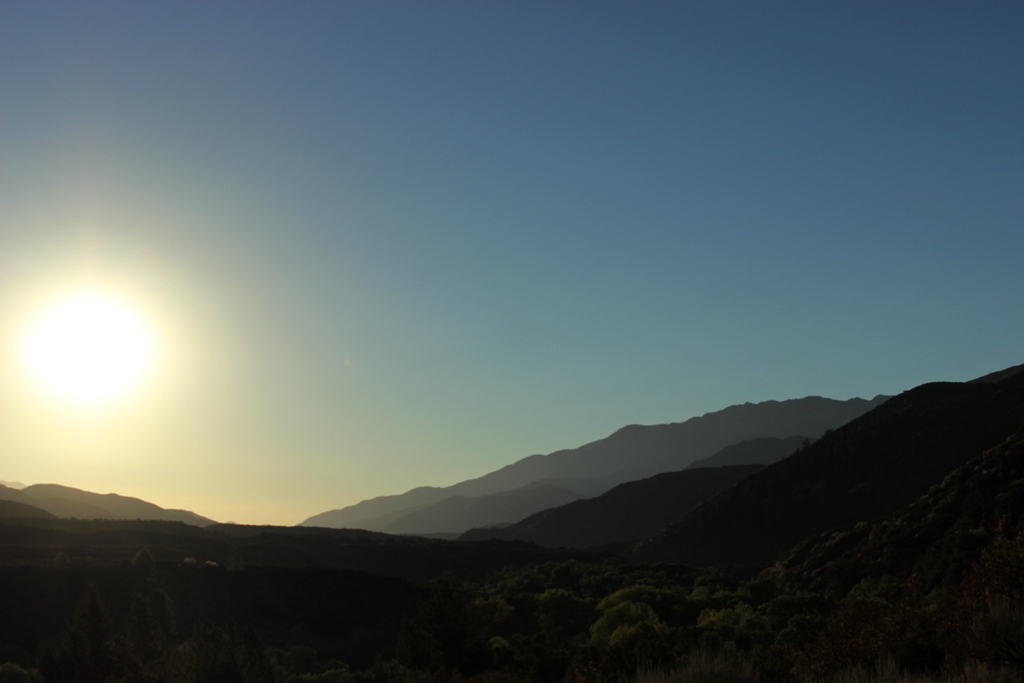
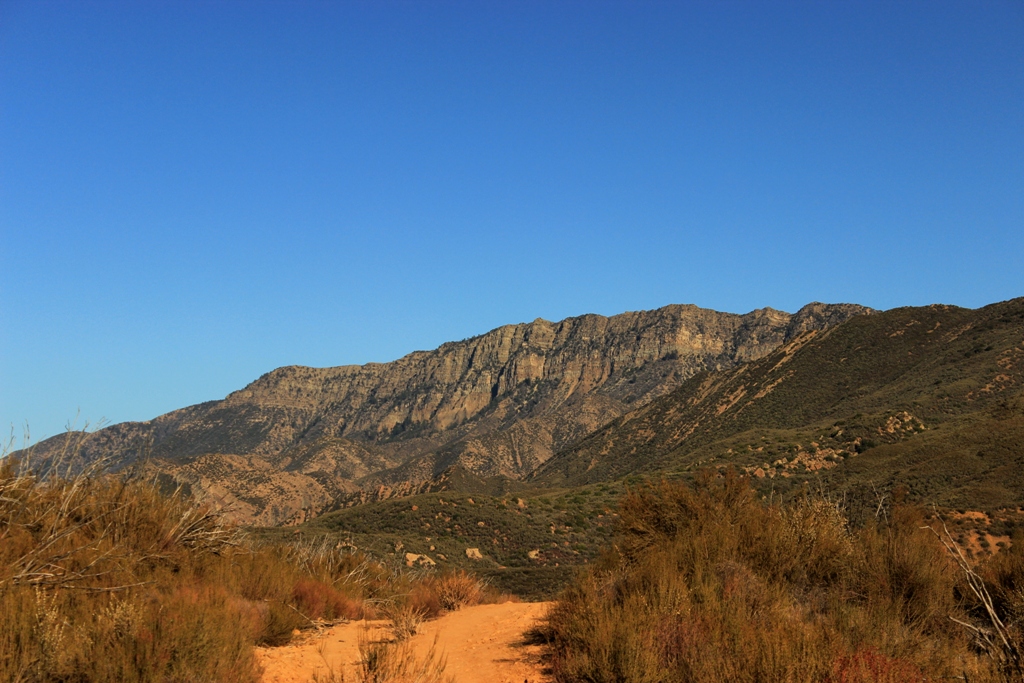
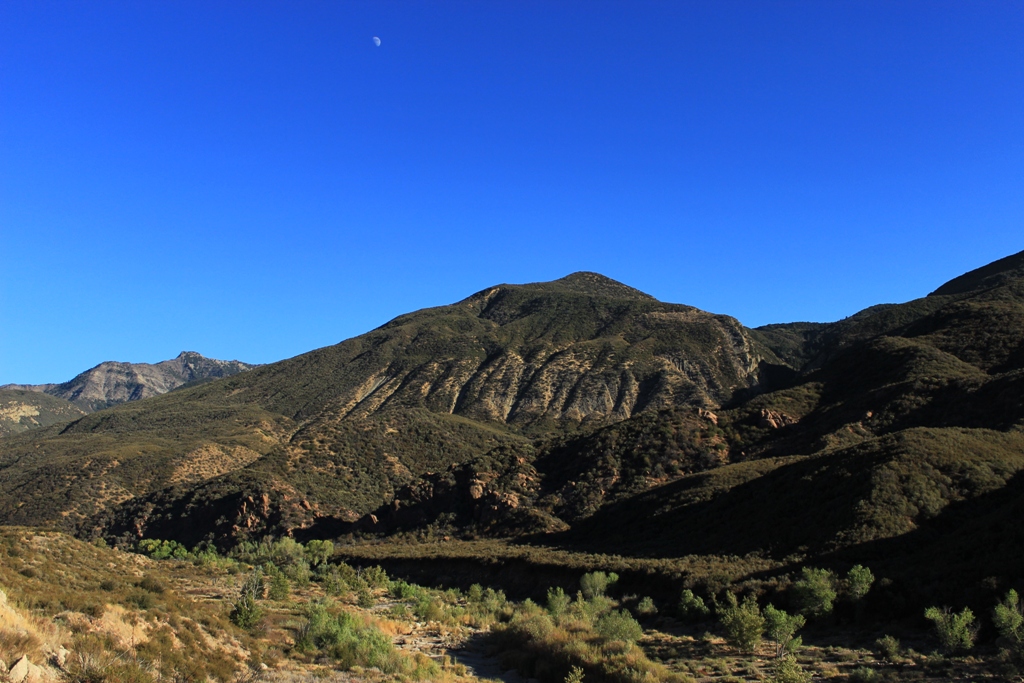
The forest conquered. It’s more like a museum than a wilderness. Everything is categorized by scientific classification, well managed by reams of regulations and neatly contained within precise boundary lines governed by statutory law. Its contents are documented and written about in excruciating detail, down to the last miniscule organism and sedimentary grain that makes up the mountain itself. It’s not all that wild. It’s really just an enormous rural park. All mystery is gone, novelty and excitement past. Even if I’ve never been there, countless others have, and from them I know all about it. It’s done. Or is it?

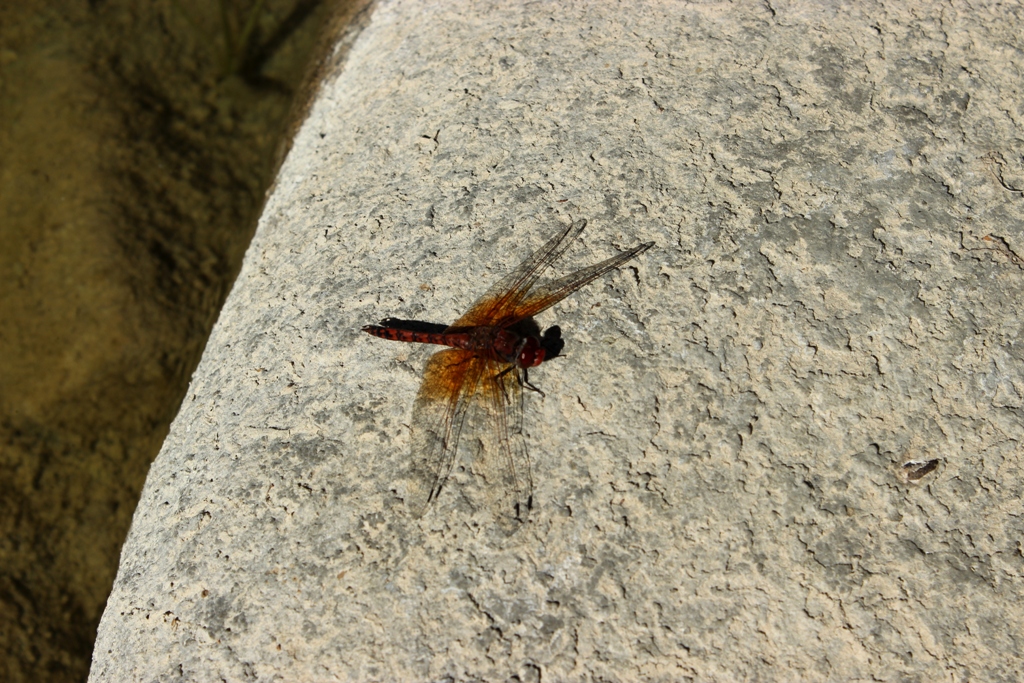
A bird pierces the quiet of the forest with a sharp staccato call I’ve never heard before and I’m surprised and amused to experience something new in a realm I assume to know. In a world long ago explored, where there is no longer any frontier to roam and discover the unknown, I value such little and seemingly pointless experiences.

For all I thought I knew of the area, it took but a small bird to expose the myth of mastery and prove empty what D.H. Lawrence called the “know-it-all state of mind.” That is because most of my knowledge came from sources other than first hand direct interaction with nature—schools, museums, scholars and experts, books, magazines, friends and family. By the time I grew up I knew all about California despite not having visited much of any of it. Or I thought I did.

I should not have been surprised at the novelty of a lone bird call. My reaction was a product of having written off the forest as no longer holding any mystery and having little majesty merely because so many others had already exposed its secrets. I knew all about it, because I read about it in a book, watched it on TV and had seen the displays in the Museum of Natural History.

I had co-opted other people’s knowledge for my own, but in expanding my understanding by way of others I received a depthless, superficial two-dimensional portrait. Much was missing. My surprise stemmed from believing that there really was nothing new under the sun, because in fact somebody somewhere at sometime had indeed seen everything everywhere. And all of that information was available to anybody at the local library or online. It had all been written about and discussed ad infinitum. By way of the Internet it is possible to sit in your underwear sequestered at home and experience the world. Or so it seems.

“No amount of word-making will ever make a single soul to know these mountains. As well seek to warm the naked and frostbitten by lectures on caloric and pictures of flame. One day’s exposure to mountains is better than cartloads of books.”

—John Muir (1870s)

“Any natural place contains an infinite reservoir of information, and therefore the potential for inexhaustible new discoveries.”

—Richard Louv Last Child in the Woods (2006)

What I had known was acquired from afar rather than from within, and secondhand book knowledge is a poor substitute for primary sensory experience. What is experienced for the first time personally, firsthand really is something new under the sun. The frontier begins where one’s own personal experience ends. Even in the forest conquered.

Posted in Essays | Tagged , , , , , , , , , , , | 3 Comments

John Haines On Pool Rock

Tafoni formations on Pool Rock.

“John Haines, whose experience hunting, trapping and surviving as a homesteader in the Alaskan wilderness fueled his outpouring of haunting poetry of endless cold nights, howling wolves and deep, primitive dreams, died on Wednesday in Fairbanks. He was 86.”

So reads the opening lines of the obituary for John Haines in a 2001 edition of the New York Times. In his essay “Moments and Journeys,” wherein he reflects on his Alaskan experiences, Haines tells briefly of a hike he took to Pool Rock, a Chumash Indian rock art site in the remote Santa Barbara County backcountry. Pool Rock, a sandstone monolith resembling a massive molar tooth, takes its name from a broad concavity on its topside which fills with rainwater. A shallow fire-blackened cave along its base is decorated with Chumash pictographs, petroglyphs and cupules and holds several bedrock mortars. It is a spiritual place of mystery and silence, where on any given afternoon the occasional caw of ravens soaring overhead and gusts of wind blowing through the chaparral are the only sounds to be heard.

Pool Rock pictograph

“One December day a few years ago, while on vacation in California, I went with my daughter and a friend to a place called Pool Rock. We drove for a long time over a mountain road, through meadows touched by the first green of the winter rains, and saw few fences or other signs of people. Leaving our car in a small campground at the end of the road, we hiked for miles up a series of canyons and narrow gorges. We lost our way several times but always found it again. A large covey of quail flew up from the chaparral on a slope above us; the tracks of deer and bobcat showed now and then in the sand under our feet. An extraordinary number of coyote droppings scattered along the trail attracted our attention. I poked one of them with a stick, saw that it contained much rabbit fur and bits of bone. There were patches of ice in the streambed, and a few leaves still yellow on the sycamores.

We came to the rock in the mid-afternoon, a great sandstone pile rising out of the foothills like a sanctuary or a shrine to which one comes yearly on a pilgrimage. There are places that take on symbolic value to an individual or a tribe, “soul-resting places,” a friend of mine has called them. Pool rock has become that to me, symbolic of that hidden, original life that we have done so much to destroy.

We spent an hour or two exploring the rock, a wind and rain-scoured honeycomb stained yellow and rose by a mineral in the sand. Here groups of the Chumash Indians used to come, in that time of year when water could be found in the canyons. They may have come to gather certain foods in season, or to take part in magic rites whose origin and significance are no longer understood. In a small cave at the base of the rock, the stylized figures of headless reptiles, insects, and strange birdmen are painted on the smoke-blackened walls and ceiling. These and some bear paw impressions gouged in the rock, and a few rock mortars used for grinding seeds, are all that is left of a once-flourishing people.

We climbed to the summit of the rock, using the worn footholds made long ago by the Chumash. We drank water from the pool that gave the rock its name, and ate our lunch, sitting quietly in the cool sunlight. And then the wind came up, whipping our lunchbag over the edge of the rock; a storm was moving in from the coast. We left the rock by the way we had come, and hiked down the gorge in the windy, leaf-blown twilight. In the dark, just before the rain, we came to the campground, laughing, speaking of the things we had seen, and strangely happy.”

Bear paw petroglyph at Pool Rock

Posted in Santa Barbara County | Tagged , , , , , , , , , | 2 Comments

Project Sespe Creek: Stage III, Piedra Blanca Beyond Devil’s Gate

Coltrell Flat beside Sespe Creek

“Free is the bush, and the desert, and the woods, and the mountain ranges for whoever likes to camp there.”

B. Traven, The Treasure of the Sierra Madre

I plod along the dirt footpath of Sespe Creek Wilderness Trail in the chill of early morning leaving the Piedra Blanca Trailhead behind. It’s 4 am and I’ve been up for two hours. Falling into a steady pace along the wide open flats, I march by rote in a sleep deprived trance. My vision narrowed to a tight focus with eyes fixed to the spot of continuously passing ground illuminated in the faint glow of my headlamp. The trail materializes out of the blackness and passes underfoot in a mottled pattern of dewy wet and dry patches. Breath vents from my nose in plumes that obstruct my view in a constant fog of condensation.

Glancing skyward the beam projecting from my forehead disappears into the darkened starsprent void. Ahead of me David Stillman‘s spotlight bounces along in the blackness of night as we march in silence toward the slimmest sliver of a crescent moon hanging low on the horizon. Venus rises sparkling brilliantly like an orange-tinged diamond. The planet ascends over the black mountain line silhouetted before us against the faint, warm glow cast by the sprawling metropolis of Los Angeles County. For three hours we march in the predawn darkness fueled by eager anticipation, as we head toward the pièce de résistance of Project Sespe Creek; the bouldery and trailless gauntlet running through the Sespe Condor Sanctuary.

Our camp for the night, Stillman sitting on the right.

“Those sudden rockfalls of obscure origin that crash like thunder ten feet behind you in the heart of a dead-still afternoon.”

—Edward Abbey, The Great American Desert

We set out from Piedra Blanca at 4 am on Saturday and ended at 5 pm Sunday on Goodenough Road north of the town of Fillmore. The first 13 miles we followed the Sespe Trail and then dropped into the creek downstream from Coltrell Flat, hiking the remainder of the distance off trail. In total we walked upwards of 30 miles after zigzagging our way down the boulder-strewn canyon bouncing like pinballs from boulder to boulder.

Having covered about 16 miles the first day, we spent a warm, clear night several miles downstream from Coltrell Flat on a patch of sandy gravel beside a pool. We arrived just in time for a swim before the sun sunk below the ridgeline.

A rock slide jarred us awake in the middle of the night. From a sound sleep my eyes popped open to focus on the blackened ridgeline high above silhouetted against the gleaming starry sky. I wondered if the few trees behind me and massive pile of driftwood would do much to stop large tumbling chunks of jagged stone. Fortunately, the slide wasn’t too close. Twelve hours later, after having walked up on them in the creek, a group of deer including a decent sized buck kicked loose a sizable boulder while climbing up the mountain, which came rolling down the slope and into the creek bed.

We headed deeper into the canyon and the creek bed became significantly more rugged with progressively larger boulders, looming rock cliffs on either side and a considerable decline in the slope of the watershed. At one point I felt as if I was getting funneled down into a bottle neck, as the canyon narrowed between rocky walls. One particular section of solid bedrock lining the canyon in a sheer cliff appeared, on a smaller scale, reminiscent of the rimrock formations found in the American southwest. The serene feel of the canyon was belied by the rough landscape. It sits in silent testimony to the immeasurably violent force that rips through the drainage during winter storms and has carved the canyon from the scalp of the earth.

The polished wear and stain left by debris laden water on rock surfaces high up along the side of the canyon, and the huge jumbles of driftwood piled in among the trees on the creek banks, and the snags caught high overhead in tree branches, tell the tale of surprisingly high water levels during winter flood conditions. The roar of chocolate-colored water flushing boulders and logs downstream, scouring the canyon ever deeper, must be an incredible sight if it’s not able to be felt resonating through the earth during the height of storm runoff.

The redolence of oil wafted through the windy canyon in areas where natural seeps drip from the cliffs and ooze from the ground and its rainbow sheen could be seen floating on the surface of the stream, while scores of minnows darted about in the cool mountain water. On one occasion I passed by a fresh gooey black pool of oil right in the middle of the creek, a tar pit several feet in diameter and more than a foot deep. Amid all the oil, once upon a time, thousands of lengthy southern steelhead once flourished in this stream, which represents one of the most prolific trout habitats in Southern California despite naturally occurring petroleum flows.

Downstream from the Tar Creek confluence the Sespe is jumbled with massive purple boulders and is more rugged and harder to traverse than it tends to be upstream. Approaching some piles of menacing looking rocks, some of which were the size of small houses, I wondered if they were passable without climbing gear. They were. We passed through the gauntlet with much effort, but without need of the ropes and harnesses Stillman had prepared. It was about 16 miles of boulder hopping until we stomped our way out onto the rocky flats downstream of the exposed bedrock narrows called “Devils’ Gate,” which frames the Sespe on it’s lower end just before it drains out of the mountains and heads toward Fillmore. We had made it unscathed without even so much as a blister on a little toe.

Stillman plotting his course through the jumble.

 Looking upstream over the section shown in the previous photo.

I noticed this remnant of a stacked stone wall high up along the steep mountainside above the creek. Any locs out there have any idea what it’s from? It was somewhere below Topatopa and Devil’s Heart Peak.
Looking downstream toward what is labeled “Grassy Flat” on several maps, the Bear Heaven cliffs seen in the distance. I saw nothing around here that was flat or grassy, which left me wondering what the value of a map is that’s made by a guy who apparently takes old USGS information and runs it through his Macintosh rather than reconnoitering the land himself. Or am I way off base? Did I miss the flat that’s grassy? What say you Harrison?

The confluence of West Fork Sespe Creek with Sespe Creek proper. The West Fork flows in beside the purple boulder on the left.

Related Posts:

Project Sespe Creek: Stage I, Upper Sespe
Project Sespe Creek: Stage II, Middle Sespe

Posted in Ventura County | Tagged , , , , , , , , , | 9 Comments

Jack Elliott’s Original, Custom Deluxe Campfire Cuisine

This here’s the backcountry beans and sausage mix suitable for making soup or stew. (Lentils with Bavarian Bratwurst, Porcini Mushrooms and Mixed Vegetables)

“An army marches on its stomach.”

Napoleon Bonaparte

Trail food serves a dual purpose for me when backpacking. Its primary value is utilitarian; to provide nourishment and fuel for hiking. Its secondary value is psychological; to provide an appetizing, delicious meal to look forward to after a long hard day of strenuous physical activity. Good food boosts morale while filling the belly.

To this end I prefer to prepare my own food at home. In doing so I am able to create meals that are healthier, tastier, less expensive and less bulky compared to the typical store-bought highly processed, sodium overloaded prepackaged meal pouches. I also don’t care to poor boiling water into a plastic pouch, a material known to leach toxic chemicals into food under such circumstances, and marinate my food in a tea of potentially poisonous substances.

The two meal mixes shown in this post I prepared at home by dehydrating the ingredients in the oven, apart from the dried porcini mushrooms which were store bought. When out on the trail, I add boiling water mixed with a quality broth or bullion, which is available in stores in small foil packets, and let the mix sit while I set up camp. When I’m ready to eat, I add more water as needed to make soup or leave the mix thick with less water for a stew consistency. I fire up the stove and boil the mix for a few more minutes to fully rehydrate the ingredients and get it hot and then chow down. It’s good stuff, Maynard, I’m tellin’ ya.

In choosing the ingredients I incorporate foods that don’t just taste good but are nutritious, too, and which provide high fiber and protein for a long lasting energy boost. I also add a complimentary mix of herbs and spices depending on the particular meal. By preparing meals at home I satisfy nutritional necessity while also pleasing the palate, which is something freeze-dried, store-bought prepackaged meals utterly fail to provide in my opinion. It requires a small amount of preparation, but adds a lot to overnight trips and makes them more enjoyable.

Beef stew  (BBQ Tri-tip and Porcini Mushrooms with Chili Beans, Rice and Mixed Vegetables).

Posted in Reference | Tagged , , , , , , , , , , | 10 Comments

Santa Barbara Courthouse

An iPhone photo of the northeast corner of the Santa Barbara Courthouse taken from my truck window while waiting at a red light.

Posted in Santa Barbara | Tagged , , , , , , | 1 Comment