“In Calaveras County they wrote that Brown bagged ten grizzlies during one week in 1849. John Muir referred to Brown as the most famous bear hunter in the Sierras in his book, ‘Our National Parks,’ and a meadow in the Sierra foothills was named Brown’s Flat after the great hunter.”
—Inside the Santa Ynez Valley

John Muir at age 34 in 1872. An image of Davy Brown can be seen at the Inside the Santa Ynez Valley link.
In a couple of passages within his lengthy writings, John Muir mentions William S. “Davy” Brown, the namesake of Davy Brown Campground and Creek located in the Los Padres National Forest in the Santa Barbara backcounty. There is a bit of repetition, but following below are two excerpts.
John Muir “Our National Parks” (1901):
The most famous hunter of the region was David Brown, an old pioneer, who early in the gold period established his main camp in a little forest glade on the north fork of the Merced, which is still called “Brown’s Flat.” No finer solitude for a hunter and prospector could be found; the climate is delightful all the year, and the scenery of both earth and sky is a perpetual feast. Though he was not much of a “scenery fellow,” his friends say that he knew a pretty place when he saw it as well as any one, and liked mightily to get on the top of a commanding ridge to “look off.”
When out of provisions, he would take down his old-fashioned long-barreled rifle from its deer-horn rest over the fireplace and set out in search of game. Seldom did he have to go far for venison, because the deer liked the wooded slopes of Pilot Peak ridge, with its open spots where they could rest and look about them, and enjoy the breeze from the sea in warm weather, free from troublesome flies, while they found hiding-places and fine aromatic food in the deer-brush chaparral.
A small, wise dog was his only companion, and well the little mountaineer understood the object of every hunt, whether deer or bears, or only grouse hidden in the fir-tops. In deer-hunting Sandy had little to do, trotting behind his master as he walked noiselessly through the fragrant woods, careful not to step heavily on dry twigs, scanning open spots in the chaparral where the deer feed in the early morning and toward sunset, peering over ridges and swells as new outlooks were reached, and along alder and willow fringed flats and streams, until he found a young buck, killed it, tied its legs together, threw it on his shoulder, and so back to camp.
But when bears were hunted, Sandy played an important part as leader, and several times saved his master’s life; and it was as a bear-hunter that David Brown became famous. His method, as I had it from a friend who had passed many an evening in his cabin listening to his long stories of adventure, was simply to take a few pounds of flour and his rifle, and go slowly and silently over hill and valley in the loneliest part of the wilderness, until little Sandy came upon the fresh track of a bear, then follow it to the death, paying no heed to time.
Wherever the bear went he went, however rough the ground, led by Sandy, who looked back from time to time to see how his master was coming on, and regulated his pace accordingly, never growing weary or allowing any other track to divert him. When high ground was reached a halt was made, to scan the openings in every direction, and perchance Bruin would be discovered sitting upright on his haunches, eating manzanita berries; pulling down the fruit-laden branches with his paws and pressing them together, so as to get substantial mouthfuls, however mixed with leaves and twigs.
The time of year enabled the hunter to determine approximately where the game would be found: in spring and early summer, in lush grass and clover meadows and in berry tangles along the banks of streams, or on pea-vine and lupine clad slopes; in late summer and autumn, beneath the pines, eating the cones cut off by the squirrels, and in oak groves at the bottom of cañons, munching acorns, manzanita berries, and cherries; and after snow had fallen, in alluvial bottoms, feeding on ants and yellow-jacket wasps. These food places were always cautiously approached, so as to avoid the chance of sudden encounters.
“Whenever,” said the hunter, “I saw a bear before he saw me, I had no trouble in killing him. I just took lots of time to learn what he was up to and how long he would be likely to stay, and to study the direction of the wind and the lay of the land. Then I worked round to leeward of him, no matter how far I had to go; crawled and dodged to within a hundred yards, near the foot of a tree that I could climb, but which was too small for a bear to climb.
“There I looked well to the priming of my rifle, took off my boots so as to climb quickly if necessary, and, with my rifle in rest and Sandy behind me, waited until my bear stood right, when I made a sure, or at least a good shot back of the fore leg. In case he showed fight, I got up the tree I had in mind, before he could reach me. But bears are slow and awkward with their eyes, and being to windward they could not scent me, and often I got in a second shot before they saw the smoke.
“Usually, however, they tried to get away when they were hurt, and I let them go a good safe while before I ventured into the brush after them. Then Sandy was pretty sure to find them dead; if not, he barked bold as a lion to draw attention, or rushed in and nipped them behind, enabling me to get to a safe distance and watch a chance for a finishing shot.
“Oh yes, bear-hunting is a mighty interesting business, and safe enough if followed just right, though, like every other business, especially the wild kind, it has its accidents, and Sandy and I have had close calls at times. Bears are nobody’s fools, and they know enough to let men alone as a general thing, unless they are wounded, or cornered, or have cubs.
“In my opinion, a hungry old mother would catch and eat a man, if she could; which is only fair play, anyhow, for we eat them. But nobody, as far as I know, has been eaten up in these rich mountains. Why they never tackle a fellow when he is lying asleep I never could understand. They could gobble us mighty handy, but I suppose it’s nature to respect a sleeping man.”
John Muir “My First Summer in the Sierra” (1911):
Brown’s Flat is a shallow fertile valley on the top of the divide between the North Fork of the Merced and Bull Creek, commanding magnificent views in every direction. . Here the adventurous pioneer David Brown made his headquarters for many years, dividing his time between gold-hunting and bear-hunting.
Where could lonely hunter find a better solitude? Game in the woods, gold in the rocks, health and exhilaration in the air, while the colors and cloud furniture of the sky are ever inspiring through all sorts of weather. Though sternly practical, like most pioneers, old David seems to have been uncommonly fond of scenery.
Mr. Delaney, who knew him well, tells me that he dearly loved to climb to the summit of a commanding ridge to gaze abroad over the forest to the snow-clad peaks and sources of the rivers, and over the foreground valleys and gulches to note where miners were at work or claims were abandoned, judging by smoke from cabins and camp-fires, the sounds of axes, etc.; and when a rifle-shot was heard, to guess who was the hunter, whether Indian or some poacher on his wide domain.
His dog Sandy accompanied him everywhere, and well the little hairy mountaineer knew and loved his master and his master’s aims. In deer-hunting he had but little to do, trotting behind his master as he slowly made his way through the wood, careful not to step heavily on dry twigs, scanning open spots in the chaparral, where the game loves to feed in the early morning and towards sunset; peering cautiously over ridges as new outlooks were reached, and along the meadowy borders of streams.
But when bears were hunted, little Sandy became more important, and it was as a bear-hunter that Brown became famous. His hunting method, as described by Mr. Delaney, who had passed many a night with him in his lonely cabin and learned his stories, was simply to go slowly and silently through the best bear pastures, with his dog and rifle and a few pounds of flour, until he found a fresh track and then follow it to the death, paying no heed to the time required.
Wherever the bear went he followed, led by little Sandy, who had a keen nose and never lost the track however rocky the ground. When high open points were reached, the likeliest places were carefully scanned. The time of year enabled the hunter to determine approximately where the bear would be found, — in the spring and early summer on open spots about the banks of streams and springy places eating grass and clover and lupines, or in dry meadows feasting on strawberries; toward the end of summer, on dry ridges, feasting on manzanita berries, sitting on his haunches, pulling down the laden branches with his paws, and pressing them together so as to get good compact mouthfuls however much mixed with twigs and leaves; in the Indian summer, beneath the pines, chewing the cones cut off by the squirrels, or occasionally climbing a tree to gnaw and break off the fruitful branches.
In late autumn, when acorns are ripe, Bruin’s favorite feeding-grounds are groves of the California oak in park-like canon flats. Always the cunning hunter knew where to look, and seldom came upon Bruin unawares. When the hot scent showed the dangerous game was nigh, a long halt was made, and the intricacies of the topography and vegetation leisurely scanned to catch a glimpse of the shaggy wanderer, or to at least determine where he was most likely to be.
“Whenever,” said the hunter, “I saw a bear before it saw me I had no trouble in killing it. I just studied the lay of the land and got to leeward of it no matter how far around I had to go, and then worked up to within a few hundred yards or so, at the foot of a tree that I could easily climb, but too small for the bear to climb. Then I looked well to the condition of my rifle, took off my boots so as to climb well if necessary, and waited until the bear turned its side in clear view when I could make a sure or at least a good shot.
“In case it showed fight I climbed out of reach. But bears are slow and awkward with their eyes, and being to leeward of them they could not scent me, and I often got in a second shot before they noticed the smoke. Usually, however, they run when wounded and hide in the brush. I let them run a good safe time before I ventured to follow them and Sandy was pretty sure to find them dead.
“If not, he barked and drew their attention, and occasionally rushed in for a distracting bite, so that I was able to get to a safe distance for a final shot. Oh, yes, bear-hunting is safe enough when followed in a safe way, though like every other business it has its accidents, and little doggie and I have had some close calls. Bears like to keep out of the way of men as a general thing, but if an old, lean, hungry mother with cubs met a man on her own ground she would, in my opinion, try to catch and eat him. This would be only fair play anyhow, for we eat them, but nobody hereabout has been used for bear grub that I know of.”
Brown had left his mountain home ere we arrived, but a considerable number of Digger Indians still linger in their cedar-bark huts on the edge of the flat. They were attracted so in the first place by the white hunter whom they had learned to respect, and to whom they looked for guidance and protection against their enemies the Pah Utes, who sometimes made raids across from the east side of the Range to plunder the stores of the comparatively feeble Diggers and steal their wives.
Related Post:
The Storied Life of Davy Brown
Davy Brown’s Cabin (1898)

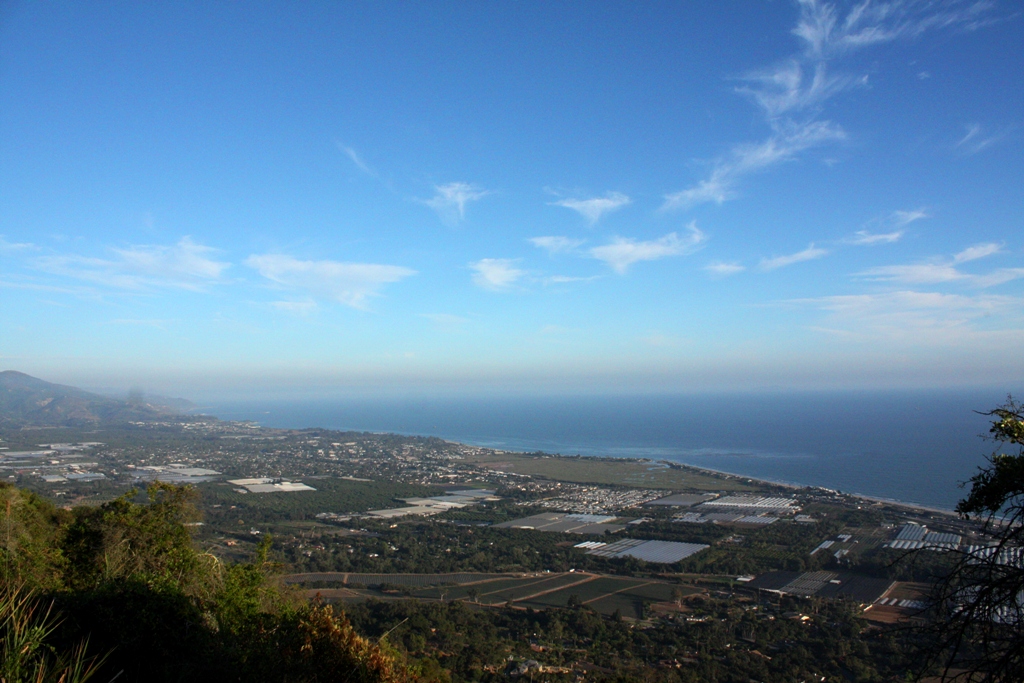 Carpinteria as seen from the crest of Toro Ridge Trail yesterday afternoon.
 The 230-acre Carpinteria Salt Marsh nature preserve. It is one of the largest coastal estuaries in California, where it is estimated that less than 10% of historic wetland habitat remains. Many years ago, long before it was an official preserve, I remember paddling through the winding channels at high tide. As seen here, the marsh resembles the last redoubt of nature holding strong in the face of urban onslaught.
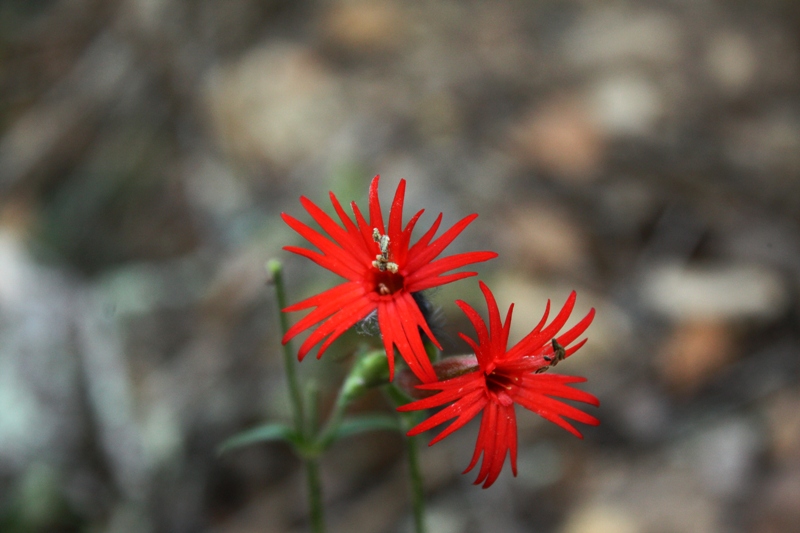 Cardinal Catchfly (Silene laciniata)
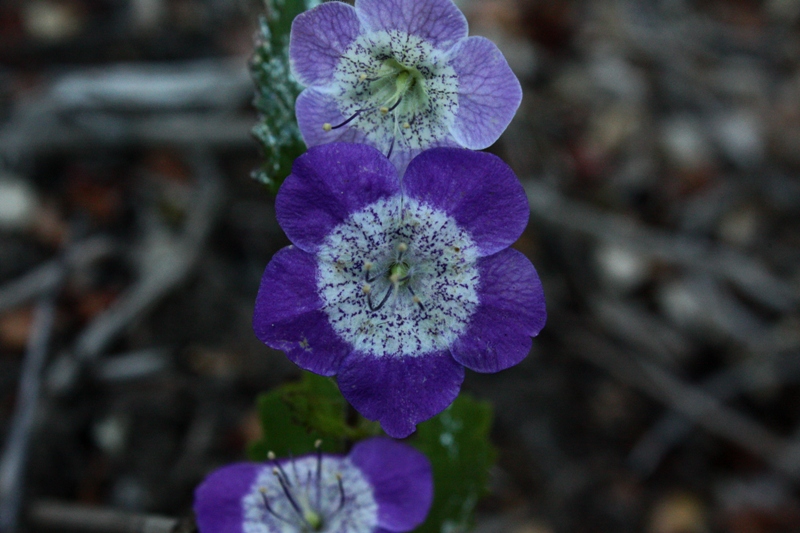 Large Flower Phacelia (Phacelia grandiflora)


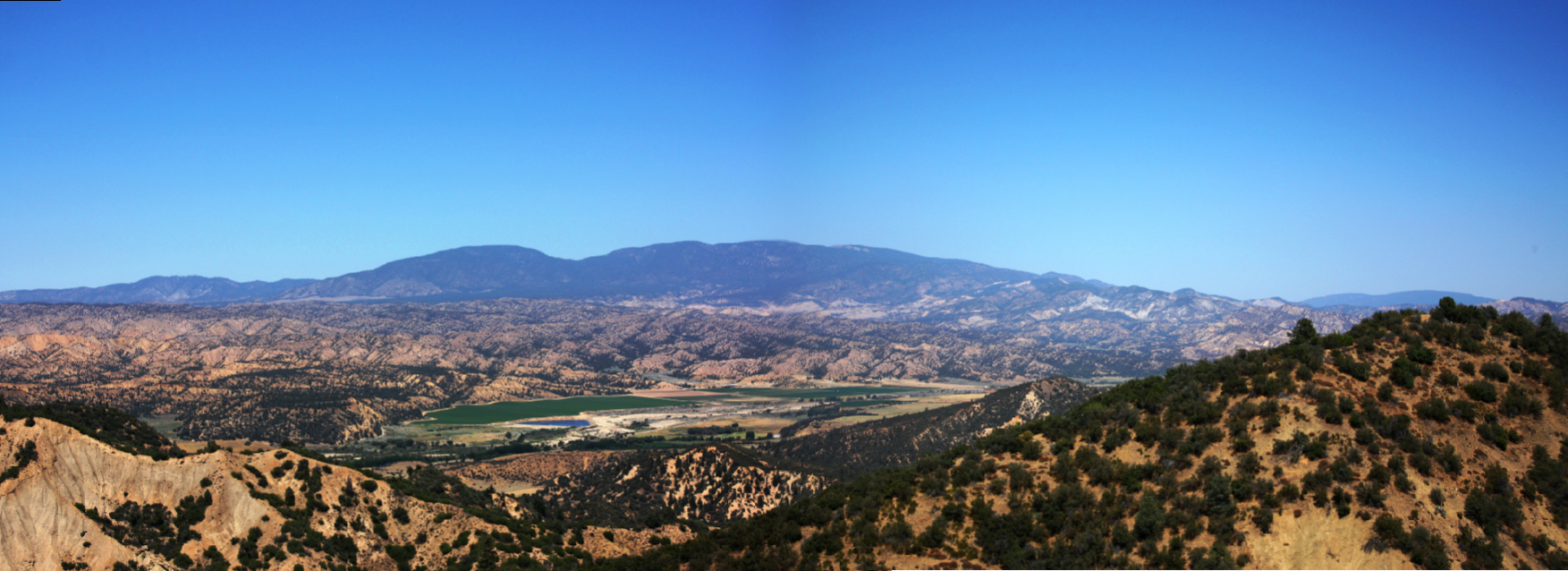
















 Jack Elliott's Santa Barbara Adventure