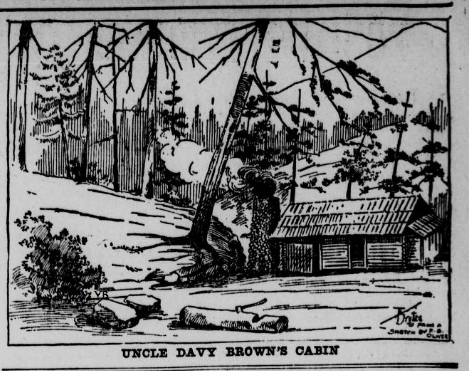
 A drawing of Davy Brown’s cabin published in The herald, September 25, 1898.
In the only image known to exist of Davy Brown, a tintype, he sits crossed legged on an upholstered chair in front of what appears to be some sort of backdrop resembling rolling hills or a seascape. It is a formal posed picture. He is wearing a dark jacket, scuffed up boots and heavy-clothed pants turned up at the cuffs a good four inches. He is resting his hands together on his lap with clenched fists, as if handcuffed, and the corners of his mouth are turned down slightly. The rest of his face below his pursed lips disappears behind a shaggy, ratty looking white beard. He is an old man with pale skin and a long narrow nose. He is said to have had “piercing, ice-blue eyes” and a “rose-pink complexion.” Lying beside him on the plank floor is a dark-colored wide-brimmed hat turned on its side. The image looks like a cross between a portrait and a full body mug shot.
Davy Brown was born in Mount Charles Ireland in 1800, though one pioneer from Santa Maria said he spoke with a Scottish accent. As a young lad he took to the high seas on a British privateer that raided American ships during the War of 1812. After the Americans captured the ship he was aboard, he was taken to Charleston, South Carolina and released into the great American frontier. Davy Brown went west crossing the vast wilderness of an untamed continent.
When the Mexican-American War of 1846 erupted he was hired as a teamster for the United States Army. He later became a Texas Ranger fighting gunslingers and smugglers and facing Indian warriors chiseled from the sinewy stock of native America. This was the era of the Wild West.
Davy Brown continued to drift west. He trapped with Kit Carson and was mentioned by John Muir who crossed paths with him in the pine forests of the granite studded Sierra. By his fifties he was in California during the Gold Rush and earning his keep by hunting game and selling fresh meat to miners.
At some point in the early 1870s Brown came to Santa Barbara County and settled on 300 acres of land near Guadalupe. He later left the coast for the mountains to purportedly escape the growing population, and sometime around age 83, he set off to live in a tent in the wilds of what is now the San Rafael Wilderness with two mules, “Jinks” and “Tommy,” loaded for bear.
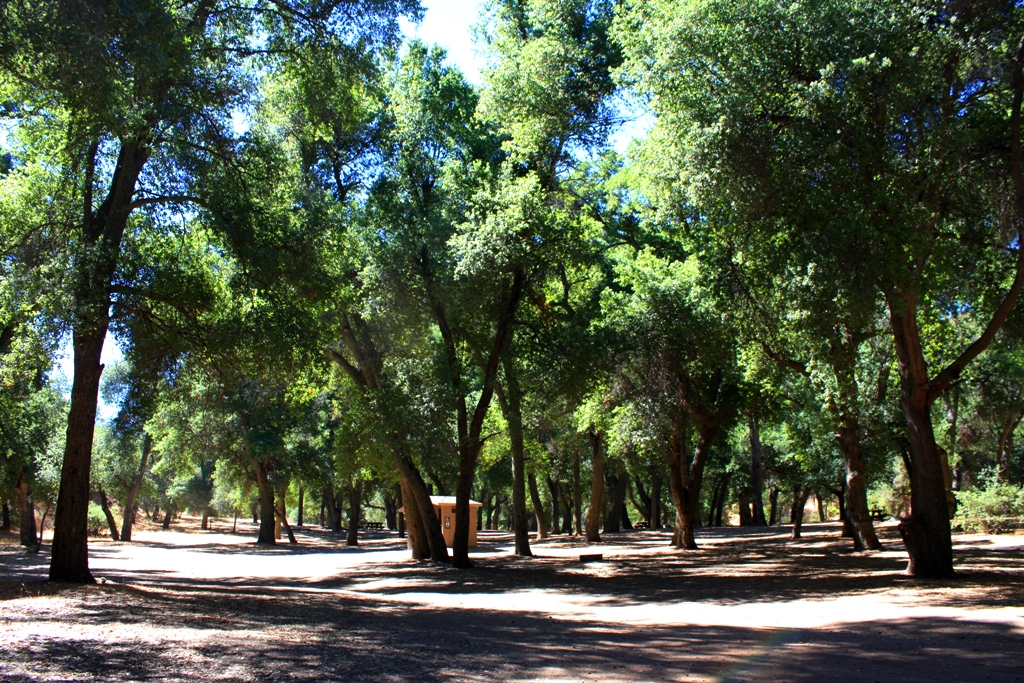
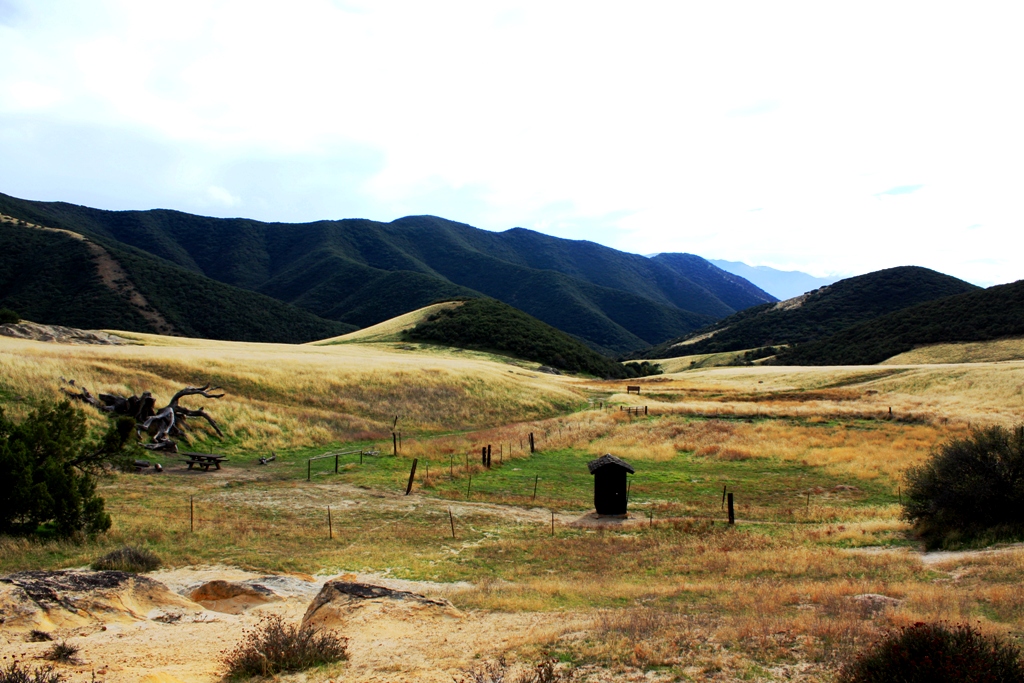
Davy Brown settled along a brook in a grassy hollow on the west end of Sunset Valley, tucked behind the northeast side of Figueroa Mountain and a short walk from what is now Davy Brown Campground. He crafted a log cabin from the timber of his surroundings with help from a friend named George Wills. Brown lived in the cabin until the mid-1890s before returning to Guadalupe where, according to the coroner’s record, he passed at age 98 from cancer.
(Update August 18, 2011: To learn more about the life and times of Davy Brown and to see the aforementioned tintype image of Brown see Inside the Santa Ynez Valley‘s story “Davy Brown” from the summer of 2003.)
Bibliography:
Source: The Yankee Barbarenos: The American Colonization of Santa Barbara County, California 1796-1925 and It Happened in Old Santa Barbara by Walker A. Tompkins.















 Jack Elliott's Santa Barbara Adventure